May 13, 2026

Year: 2025

Bitcoin price usd price chart sets the stage for this enthralling narrative, offering readers a glimpse into a story rich in detail and brimming with originality from the outset.

Understanding the dynamics of Bitcoin’s valuation in USD is essential for investors and enthusiasts alike. The volatility of Bitcoin’s price makes it critical to track its movements, as numerous factors from market sentiment to economic events can significantly influence its value. This exploration will delve into the historical trends, essential metrics, and technical analysis tools that shape the Bitcoin landscape.

Overview of Bitcoin Price and Its Importance

Bitcoin, the pioneering cryptocurrency, has captured the attention of investors, traders, and the general public alike. Tracking Bitcoin’s price in the USD market is crucial for understanding its market dynamics and overall health. As a digital asset, Bitcoin’s price reflects not just its market demand, but also broader economic trends, investor sentiment, and technological advancements. The fluctuations in Bitcoin’s value can be influenced by various factors, including market speculation, demand and supply dynamics, and macroeconomic indicators.Historically, Bitcoin has experienced significant price movements.

It started at just a few cents in 2010, skyrocketing to nearly $65,000 in April 2021, before witnessing dramatic corrections. These trends underscore the volatility inherent in cryptocurrency trading and the importance of continuous monitoring for informed decision-making.

Understanding the Price Chart

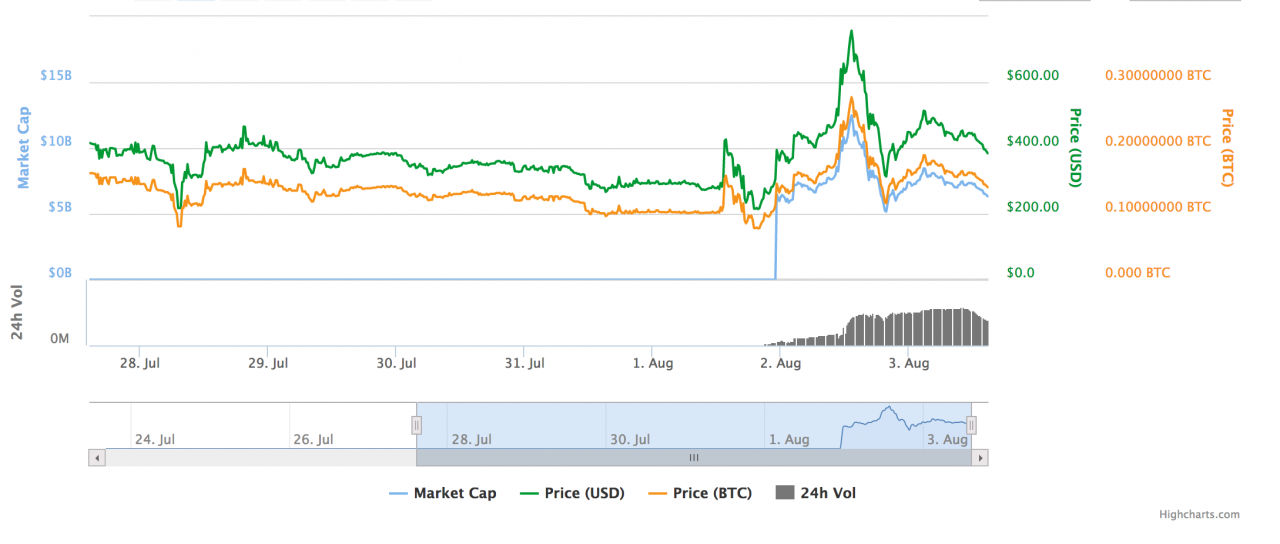
A Bitcoin price chart serves as a visual representation of its price movements over time. It consists of key components such as the time frame, price axis, and various indicators that assist traders in making informed decisions. Understanding how to read a price chart effectively is essential for anyone looking to navigate the cryptocurrency market.There are different types of charts used for Bitcoin pricing, including:

  • Line Charts: These provide a simple view of price movements over time, connecting closing prices to form a line.
  • Candlestick Charts: These are more complex, displaying open, high, low, and close prices for a specific time frame. They offer a deeper understanding of market sentiment.
  • Bar Charts: Similar to candlestick charts, these show price movements but use bars to represent the open and close prices.

Key Metrics to Monitor

Monitoring certain key metrics is vital for assessing Bitcoin price movements. Understanding these metrics helps investors gain insights into the market’s behavior and potential future trends. Key metrics include market capitalization and trading volume.Market capitalization is calculated by multiplying the total supply of Bitcoin by its current price. This metric provides insight into the overall value of Bitcoin within the cryptocurrency market.

A higher market cap typically indicates a more stable investment, while significant fluctuations can suggest volatility.Trading volumes also play a crucial role in price stability. High trading volumes often correlate with more significant price movements, while low volumes can lead to increased volatility. Investors should pay attention to these metrics to gauge market sentiment effectively.

Technical Analysis Tools

Technical analysis involves using various tools to predict future Bitcoin price movements based on historical data. This approach allows traders to identify trends, patterns, and potential reversals. Some popular technical analysis tools include:

Indicator Description
RSI (Relative Strength Index) A momentum oscillator that measures the speed and change of price movements to identify overbought or oversold conditions.
MACD (Moving Average Convergence Divergence) A trend-following momentum indicator that shows the relationship between two moving averages of a security’s price.
Bollinger Bands A volatility indicator that consists of a middle band and two outer bands, which help identify overbought or oversold market conditions.

Applying these tools can help traders make more informed decisions regarding entry and exit points for their investments.

Market Influences on Bitcoin Price

Bitcoin’s price is not immune to global economic events. Significant occurrences, such as financial crises, regulatory announcements, and technological advancements, can have immediate effects on the cryptocurrency market. For instance, during periods of market volatility, Bitcoin often behaves differently compared to stable market conditions.Regulatory changes also play a critical role in shaping Bitcoin’s pricing. As governments and financial institutions establish frameworks for cryptocurrency use, these regulations can either foster growth or induce uncertainty in the market.

Bitcoin Price Forecasting

Forecasting Bitcoin prices involves analyzing historical data and employing various models to predict future trends. Both fundamental and technical analyses are essential in this process. Models used for Bitcoin price predictions range from simple linear regressions to complex machine learning algorithms. Resources for learning about Bitcoin price forecasting techniques include online courses, webinars, and dedicated cryptocurrency analysis platforms.

Case Studies of Price Action

Historically, there have been several significant events that shaped Bitcoin’s price trajectory. Notable bull runs, such as the surge in late 2017, showcased how rapid increases in demand can propel prices to new heights. Conversely, significant crashes, like the one in early 2018, highlight the volatility and risks associated with cryptocurrency investments.These case studies reveal common patterns in Bitcoin’s price actions.

For instance, FOMO (Fear of Missing Out) can drive prices up rapidly, while panic selling can lead to steep declines. Understanding these patterns can help investors navigate future market conditions more effectively.

Impact of External Factors

External factors significantly influence Bitcoin pricing. Social media sentiment, for instance, can sway public perception and investment interest. Positive endorsements from celebrities can lead to price surges, while negative public statements can result in declines.Additionally, external factors that can influence Bitcoin price include:

  • Market news and developments
  • Technological advancements in blockchain
  • Global economic conditions
  • Institutional adoption of Bitcoin

These elements collectively contribute to the ever-fluctuating landscape of Bitcoin pricing, making it imperative for investors to stay informed.

Ending Remarks

In summary, navigating the complexities of the Bitcoin price usd price chart reveals not just numbers, but a narrative shaped by market forces and human behavior. As we learn from past trends and apply forecasting methods, we gain valuable insights that can guide future decisions. Whether you’re a seasoned trader or a curious newcomer, understanding these elements enhances your engagement with the world of Bitcoin.

Quick FAQs

What factors influence Bitcoin price fluctuations?

Factors include market demand, investor sentiment, regulatory developments, and macroeconomic events.

How can I read a Bitcoin price chart effectively?

Focus on understanding the chart types, such as line and candlestick charts, and pay attention to trends and patterns.

What are key metrics to monitor for Bitcoin?

Key metrics include market capitalization, trading volume, and price volatility.

How does social media sentiment affect Bitcoin pricing?

Social media can sway public opinion and investor behavior, impacting Bitcoin’s demand and price.

What are common patterns observed in Bitcoin price actions?

Common patterns include bull markets, bear markets, and consolidation phases, each providing insights into future movements.

Bitcoin price action provides a fascinating lens through which traders and investors can analyze the ever-evolving landscape of cryptocurrency. As the first and most recognized cryptocurrency, Bitcoin has experienced dramatic fluctuations since its inception, making its price movements a subject of keen interest and speculation.

Understanding the factors that drive Bitcoin’s price, from historical trends to market sentiment, is crucial for anyone looking to engage with this digital asset. By exploring various technical indicators and trading strategies, one can gain valuable insights into the mechanics of Bitcoin trading that can lead to informed decisions.

Overview of Bitcoin Price Action

Bitcoin, the first cryptocurrency, has transformed the financial landscape since its launch in 2009. Price action refers to the movement of Bitcoin’s price over time, analyzed through historical data and trading patterns. Understanding this concept is crucial for traders and investors as it allows them to make informed decisions based on the price trends and market behavior.Bitcoin’s journey began with a value of virtually zero, gradually gaining traction and recognition.

In late 2013, Bitcoin reached its first significant peak, crossing $1,000 for the first time. This was followed by a dramatic decline, leading to several years of volatility. The price fluctuated wildly, with notable surges in 2017 when it reached nearly $20,000, only to crash again. Subsequent years saw more fluctuations, but the price climbed to new heights in late 2020, breaking past its previous all-time highs, influenced by increased institutional adoption and macroeconomic factors.

Since then, Bitcoin has continued to exhibit significant price swings, reflecting both its speculative nature and the growing interest in cryptocurrencies.

Factors Influencing Bitcoin’s Price Action

Several key factors play a critical role in determining Bitcoin’s price movements. These elements can create opportunities or risks for traders and investors alike. Understanding these factors is essential for anyone involved in Bitcoin trading.

  • Market Demand and Supply: The balance between the number of buyers and sellers directly impacts Bitcoin’s price. Increased demand with limited supply often drives prices up, while excess supply can lead to declines.
  • Regulatory Developments: Governments around the world are still figuring out how to regulate cryptocurrencies. News of favorable or unfavorable regulations can lead to significant price swings.
  • Technological Developments: Upgrades to the Bitcoin network, such as scalability improvements or security enhancements, can boost confidence and drive up prices.
  • Investor Sentiment: Market psychology plays a crucial role. Positive news can create bullish sentiment, while negative news can lead to panic selling.
  • Macroeconomic Factors: Economic conditions and events, such as inflation rates or financial crises, can influence Bitcoin as it is often viewed as a hedge against traditional economic instability.
  • Media Coverage: The portrayal of Bitcoin in the media can impact public perception and investor interest, leading to volatility based on news cycles.

“Bitcoin’s price is not just a reflection of its intrinsic value but also of the broader financial ecosystem and human behavior.”

In conclusion, understanding Bitcoin’s price action requires a comprehensive view of the multifaceted factors that influence its fluctuations. By analyzing historical trends and recognizing the impact of various elements, traders can position themselves more effectively within the dynamic cryptocurrency market.

Technical Analysis of Bitcoin Price Action

Technical analysis serves as a cornerstone for understanding Bitcoin price trends, allowing traders to interpret past price movements and predict future behavior. By utilizing various indicators and chart patterns, analysts can make informed decisions, navigate volatility, and enhance their trading strategies.A range of technical indicators is commonly employed in the analysis of Bitcoin price action. These indicators help traders identify patterns, trends, and potential reversal points.

Here are some key technical indicators that are frequently used:

Key Technical Indicators

Indicators provide essential insights into market dynamics and assist traders in understanding price movements. Below are some of the most important technical indicators for Bitcoin:

  • Moving Averages (MA): These smooth out price data to help identify trends over specific periods. Commonly used are the Simple Moving Average (SMA) and Exponential Moving Average (EMA).
  • Relative Strength Index (RSI): This momentum oscillator measures the speed and change of price movements, indicating overbought or oversold conditions.
  • Bollinger Bands: This volatility indicator consists of a middle band (SMA) and two outer bands, which help in identifying price extremes and potential breakout points.
  • MACD (Moving Average Convergence Divergence): This trend-following momentum indicator shows the relationship between two moving averages of a security’s price and is useful for identifying potential buy/sell signals.
  • Volume: Analyzing volume can provide insight into the strength of price movements, as high volume often indicates a strong trend.

The following table summarizes various technical analysis methods applicable to Bitcoin, illustrating their uses and strengths:

Technical Analysis Method Description Advantages
Moving Averages Used to determine the direction of a trend over a set period. Helps smooth out price action and identify trends.
RSI Measures the speed of price changes to identify overbought or oversold conditions. Provides clear signals for potential reversals.
Bollinger Bands Indicates volatility and price levels in relation to historical averages. Helps identify potential breakouts and price extremes.
MACD Indicates the momentum and potential trend reversals. Effective for spotting buy/sell opportunities based on moving averages.
Volume Analysis Evaluates the strength behind price movements. Confirms trends and potential reversals based on volume spikes.

Chart Patterns and Price Movements

Chart patterns play a critical role in technical analysis, as they often signify potential price movements. Recognizing these patterns can lead to strategic trading decisions. Fundamental patterns include:

  • Head and Shoulders: This pattern suggests a reversal in the trend and is characterized by three peaks, with the middle peak being the highest.
  • Double Tops and Bottoms: These patterns indicate potential reversal points. A double top signals a bearish reversal, while a double bottom signals a bullish reversal.
  • Triangles: Ascending, descending, and symmetrical triangles can signal potential breakout points depending on the direction of the pattern.
  • Flags and Pennants: These short-term continuation patterns indicate a pause in the prevailing trend before it resumes.

By understanding these patterns, traders can better anticipate significant price movements, allowing them to enter or exit positions more strategically. Analyzing these chart formations along with key indicators empowers traders to make informed decisions in the often volatile Bitcoin market.

Market Sentiment and Bitcoin Price Action

Bitcoin Price Analysis 04/24/2017 - Next Target at 00?

Market sentiment plays a pivotal role in the fluctuations of Bitcoin prices, influencing the decisions of traders and investors alike. As a decentralized digital currency, Bitcoin is particularly susceptible to emotional factors, which can lead to rapid price shifts based on collective perceptions and reactions to current events. Understanding market sentiment is crucial for anyone involved in trading or investing in Bitcoin, as it often dictates the direction of price trends and volatility.Market sentiment is shaped by various factors, including news events, regulatory developments, and overall market trends.

Positive sentiment can drive prices upward as more traders and investors buy in, while negative sentiment can lead to sell-offs and price declines. Historical events have demonstrated this dynamic clearly, showcasing how external factors can significantly impact Bitcoin’s market valuation.

Historical Events Impacting Bitcoin Sentiment

Certain events have had pronounced effects on Bitcoin sentiment and subsequent price action. Recognizing these can help investors and traders make informed decisions. The following events are notable examples:

  • Regulatory Announcements: Government regulations or legal rulings can cause significant shifts in market sentiment. For instance, the announcement of stricter cryptocurrency regulations in countries like China caused prices to plunge, reflecting the negative sentiment surrounding regulatory crackdowns.
  • Market Hacks and Security Breaches: High-profile thefts or hacks, such as the Mt. Gox exchange hack in 2014, have historically led to fear and distrust in the market, resulting in rapid declines in Bitcoin’s value as sentiment turned negative.
  • Adoption by Major Companies: When large corporations, such as Tesla or PayPal, announce support for Bitcoin, it typically boosts market sentiment. For example, Tesla’s investment in Bitcoin in early 2021 led to a surge in prices, driven by positive sentiment around mainstream adoption.
  • Market Events like Halving: Bitcoin’s programmed halving events, which reduce the reward for mining, have historically correlated with bullish sentiment. The halving in May 2020, for instance, was followed by a significant price increase, as investors anticipated reduced supply leading to higher prices.

Methods to Gauge Market Sentiment for Bitcoin

Gauging market sentiment related to Bitcoin involves analyzing various indicators and tools that reflect traders’ and investors’ moods. Understanding the sentiment can provide insights into potential price movements. Here are effective methods for assessing market sentiment:

  • Social Media Analysis: Platforms like Twitter and Reddit host discussions that can signal prevailing sentiment. Monitoring the frequency and tone of Bitcoin-related posts can provide insights into market mood and potential price movements.
  • Fear and Greed Index: This index measures market sentiment on a scale from extreme fear to extreme greed. A high index reading typically indicates that the market may be overbought, suggesting a potential pullback, while low readings may signal a buying opportunity.
  • Surveys and Polls: Conducting surveys among cryptocurrency communities can reveal how investors feel about the market’s direction. Insights gathered from polls can be indicative of the overall sentiment and potential trading trends.
  • Market Data and Volume Trends: Analyzing trading volumes and price movements can provide clues about sentiment. Sudden spikes in trading volume, especially alongside price changes, can indicate strong sentiment shifts.

Understanding market sentiment is invaluable for navigating the complexities of Bitcoin price action. By staying informed about historical influences and employing various analysis techniques, traders and investors can better position themselves in an often volatile environment.

Trading Strategies Based on Bitcoin Price Action

Trading strategies based on Bitcoin price action are vital for traders looking to make informed decisions without relying solely on indicators or complex algorithms. By analyzing historical price movements, traders can develop strategies that help them capitalize on market trends and identify potential reversals. This approach emphasizes understanding the market’s behavior, allowing traders to adapt their tactics to current conditions.A simple yet effective trading strategy utilizing price action involves identifying key support and resistance levels.

Traders can observe price movements and execute trades when Bitcoin approaches these significant levels. This strategy can be particularly potent during periods of high volatility, as price action tends to react strongly around these zones.

Entry and Exit Points Based on Historical Bitcoin Price Action

Identifying entry and exit points through historical price action can enhance the effectiveness of trading strategies. For instance, suppose Bitcoin consistently bounces off a support level of $30,000. A trader might choose to enter a long position when the price approaches this level, particularly if there is a bullish candlestick pattern forming, such as a hammer or engulfing pattern. On the flip side, if Bitcoin is nearing a resistance level of $40,000 and shows signs of a bearish reversal, such as a shooting star or double top pattern, it may signal a good opportunity to exit a long position or enter a short position.

These examples reflect how historical price behavior can guide traders in making decisions based on real-time analysis.

Common Trading Mistakes Related to Interpreting Bitcoin Price Action

Understanding price action can be complex, and many traders fall into common pitfalls that can lead to poor decision-making. Being aware of these mistakes is crucial for anyone looking to trade Bitcoin effectively. Here is a list of prevalent errors:

  • Ignoring the broader market trend: Traders often focus solely on immediate price action without considering the overarching trend, which can lead to premature entries or exits.
  • Overtrading: Reacting to every price movement can result in excessive trading, increasing transaction costs and decreasing overall profitability.
  • Misinterpreting candlestick patterns: New traders may misread candlestick formations, which can lead to incorrect assumptions about market direction.
  • Failing to set stop-loss orders: Not implementing stop-loss orders can expose traders to substantial losses during sudden market downturns.
  • Chasing price: Entering trades based on a fear of missing out can lead to purchasing Bitcoin at inflated prices, which often precedes a price correction.

By recognizing and avoiding these common mistakes, traders can improve their understanding of Bitcoin price action and enhance their overall trading strategy.

Comparative Analysis

In the dynamic landscape of cryptocurrencies, Bitcoin remains the most prominent player, often setting the tone for the rest of the market. Its price movements can significantly influence the trends of altcoins, making it essential to analyze Bitcoin’s price action in comparison to major cryptocurrencies. Understanding these relationships can provide valuable insights for traders and investors alike.The comparative analysis of Bitcoin with other major altcoins reveals distinct trends and correlations.

While Bitcoin often dictates market sentiment, altcoins can display varying degrees of sensitivity to Bitcoin’s price action. This nuanced behavior is crucial for traders strategizing their investments across the cryptocurrency spectrum.

Price Action Trends of Bitcoin Compared to Major Altcoins

The price action of Bitcoin can exhibit marked differences when compared to other cryptocurrencies like Ethereum, Binance Coin, and Cardano. These differences can be attributed to factors like market capitalization, utility, and investor sentiment. The following table Artikels the price action differences observed between Bitcoin and selected cryptocurrencies over the last quarter:

Cryptocurrency Price Change (Last Quarter) Market Capitalization Correlation with Bitcoin
Bitcoin (BTC) +15% $450 billion N/A
Ethereum (ETH) +10% $200 billion 0.85
Binance Coin (BNB) +8% $50 billion 0.75
Cardano (ADA) +5% $35 billion 0.60

This table highlights that while Bitcoin has shown a commendable price increase, major altcoins have generally lagged behind in terms of percentage growth. The correlation values indicate a strong relationship between Bitcoin and Ethereum, which is often seen as a leading altcoin, while Binance Coin and Cardano show moderate correlations.

“The performance of Bitcoin often dictates the overall trend of the cryptocurrency market, influencing investor sentiment and trading strategies across various altcoins.”

By analyzing these price action trends and correlations, traders can develop informed strategies that consider both Bitcoin and altcoin movements. Understanding these dynamics is crucial for optimizing trading plans in the evolving crypto market landscape.

Future Projections of Bitcoin Price Action

As we look ahead to the next five years, the potential scenarios for Bitcoin’s price action are diverse and heavily influenced by a variety of factors, both within the cryptocurrency market and the broader economic landscape. Understanding these projections is vital for investors aiming to navigate the complexities of Bitcoin trading and investment strategies.Macroeconomic factors play a critical role in shaping the future of Bitcoin price movements.

Elements such as inflation rates, global economic stability, regulatory changes, and shifts in monetary policy will have substantial impacts on investor sentiment and market dynamics. Additionally, the integration of Bitcoin into mainstream financial systems can either bolster its value or lead to increased volatility depending on the regulatory environment and public perception.

Potential Scenarios for Bitcoin Price Action

Several important scenarios could unfold over the next five years regarding Bitcoin’s price trajectory. These scenarios are based on current trends, expert analyses, and macroeconomic predictions.

  • Continued Institutional Adoption: Many analysts predict that institutional investors will increasingly adopt Bitcoin as part of their portfolios, viewing it as a hedge against inflation and currency devaluation. This shift could lead to sustained price increases.
  • Regulatory Developments: Regulatory clarity could emerge, especially in major markets like the U.S. and Europe. Positive regulations may encourage more retail and institutional investment, pushing prices higher. Conversely, harsh regulations could create downward pressure.
  • Technological Advancements: Innovations within the Bitcoin network, such as improvements in scalability and transaction efficiency (e.g., layer 2 solutions), could enhance usability and attract new users, positively impacting price action.
  • Market Corrections and Volatility: Price volatility is inherent to Bitcoin, and significant corrections may occur due to speculative trading or adverse economic news. These corrections would create buying opportunities as the market stabilizes.
  • Global Economic Factors: Factors like economic downturns, geopolitical tensions, or shifts in currency valuations could influence Bitcoin as a safe-haven asset, driving prices either up or down based on investor sentiment.

Influence of Macroeconomic Factors

The interplay between macroeconomic conditions and Bitcoin price movements is intricate. Key indicators that could influence future Bitcoin prices include:

  • Inflation Rates: As fiat currencies face inflationary pressures, more investors may seek Bitcoin as a store of value, potentially driving prices up.
  • Interest Rates: Changes in interest rates set by central banks can affect investment flows into cryptocurrencies. Lower rates typically make it less attractive to hold cash, leading investors towards assets like Bitcoin.
  • Global Economic Stability: Economic uncertainties and crises often lead to increased interest in alternative assets. Bitcoin could see price spikes during times of economic distress.

Expert Predictions on Bitcoin Price Trajectories

Industry experts offer a range of predictions concerning Bitcoin’s future price action. Their insights are based on extensive market analysis and historical trends, often highlighting both bullish and bearish perspectives.

  • Bitcoin as Digital Gold: Many experts liken Bitcoin to gold, forecasting that it could reach $100,000 or more if it continues to be viewed as a digital safe-haven asset.
  • Market Cycles: Some analysts suggest that Bitcoin may continue to follow its historical market cycles, with predictions of significant price corrections followed by new all-time highs within the next five years.
  • Broader Cryptocurrency Market Impact: Bitcoin’s price trajectory could also be influenced by developments in the broader cryptocurrency ecosystem, including the success and failure of other projects which could affect investor sentiment and market dynamics.

“The future of Bitcoin is not set in stone; it will be shaped by market demand, technological advancements, and regulatory frameworks.”

Whether optimistic or cautious, these scenarios and expert predictions provide a framework for understanding potential future Bitcoin price actions in a rapidly evolving financial landscape.

Conclusive Thoughts

In conclusion, Bitcoin price action serves as a critical reference point for both seasoned traders and newcomers to the market. By combining historical analysis, technical indicators, and an understanding of market sentiment, traders can better navigate the complexities of Bitcoin and enhance their trading strategies for potential success.

FAQ Corner

What is price action in Bitcoin trading?

Price action refers to the movement of Bitcoin’s price over time, which traders analyze to make decisions based on historical data and market trends.

What factors influence Bitcoin’s price action?

Factors include market sentiment, macroeconomic trends, regulatory developments, and technological advancements.

How do technical indicators help in analyzing Bitcoin price?

Technical indicators provide data-driven insights that help traders identify trends, potential price reversals, and entry or exit points.

Can market sentiment change Bitcoin price action significantly?

Yes, market sentiment can lead to rapid price fluctuations in Bitcoin due to buy or sell pressures influenced by news, events, or trader psychology.

What are common mistakes traders make with Bitcoin price action?

Common mistakes include overtrading, ignoring market sentiment, and relying solely on technical indicators without considering broader market conditions.

Bitcoin vs Bitcoin Cash is a captivating debate that has intrigued cryptocurrency enthusiasts since the latter’s inception. As two prominent players in the digital currency landscape, they share a common origin but diverge in purpose and functionality. Understanding the nuances between these two cryptocurrencies not only sheds light on their individual paths but also offers insights into the broader evolution of the digital economy.

Bitcoin, launched in 2009, pioneered the crypto space, while Bitcoin Cash emerged in 2017 as a response to scalability issues with the original Bitcoin. Each has its unique set of goals, technical specifications, and community philosophies, which contribute to their varying adoption rates and market performances.

Introduction to Bitcoin and Bitcoin Cash

Bitcoin Vs Bitcoin Cash Scaling: Why Lightning Network is More ...

Bitcoin, created in 2009 by an anonymous entity known as Satoshi Nakamoto, marked the dawn of decentralized digital currencies. Its revolutionary approach to financial transactions aimed to eliminate intermediaries, allowing users to transact peer-to-peer over the blockchain. In contrast, Bitcoin Cash emerged in August 2017 from a hard fork of the original Bitcoin network, primarily to address scalability issues and facilitate faster transaction processing.The fundamental differences between Bitcoin and Bitcoin Cash lie in their transaction capabilities and intended use cases.

Bitcoin, designed primarily as a store of value and a hedge against inflation, emphasizes security and decentralization. Bitcoin Cash, however, focuses on enabling low-fee transactions, making it more suited for daily transactions and small payments within the digital economy.

Origins and Goals

The creation of Bitcoin was a pivotal moment in the financial world, as it introduced a new paradigm for currency. As the first cryptocurrency, Bitcoin aimed to provide a decentralized currency that operated independently of any central authority. Its primary goal is to serve as a digital gold, storing value and hedging against traditional financial systems.In contrast, Bitcoin Cash was born out of the need for a more scalable solution.

The developers sought to increase the block size limit from Bitcoin’s 1MB to 8MB initially, allowing for more transactions to be processed per block, thus reducing congestion and costs. The goal of Bitcoin Cash is to become a practical medium of exchange for everyday transactions, focusing on user accessibility and efficiency.

“Bitcoin is digital gold; Bitcoin Cash is digital cash.”

Both cryptocurrencies have distinct roles within the digital economy, appealing to different user bases. Bitcoin’s value proposition is rooted in its scarcity and security, while Bitcoin Cash places emphasis on usability in everyday transactions, making it an appealing option for those looking to utilize cryptocurrency for regular purchases.

Technical Differences

The technical specifications of Bitcoin and Bitcoin Cash showcase their distinct approaches to blockchain technology, scalability, and transaction processing. Understanding these differences is crucial for potential users and investors who wish to navigate the cryptocurrency landscape effectively. This section will delve into key technical aspects that set these two cryptocurrencies apart.

Block Size and Transaction Speed

One of the most notable technical differences between Bitcoin and Bitcoin Cash is their block size. Bitcoin has a maximum block size of 1 MB, while Bitcoin Cash significantly increased this limit to 32 MB. This change allows Bitcoin Cash to process more transactions per block, enhancing its scalability and transaction speed. The implications of these block sizes are substantial.

A larger block size means that Bitcoin Cash can handle a higher volume of transactions without experiencing congestion, which is a common issue with Bitcoin during peak times. Therefore, users of Bitcoin Cash often experience faster transaction confirmations compared to those using Bitcoin.

Hashing Algorithms and Security

Both Bitcoin and Bitcoin Cash utilize the SHA-256 hashing algorithm. This algorithm is known for its security and resistance against collisions and pre-image attacks, making it a reliable choice for both cryptocurrencies. However, the differences in network capacity and transaction volume can influence the security dynamics. With a larger block size and increased transaction throughput, Bitcoin Cash can potentially lead to more frequent blocks being mined, which may enhance its overall security against certain types of attacks.

Comparison of Technical Metrics

To better understand the technical differences between Bitcoin and Bitcoin Cash, the following table summarizes key metrics such as transaction fees, block times, and block sizes.

Metric Bitcoin Bitcoin Cash
Block Size 1 MB 32 MB
Average Block Time 10 minutes 10 minutes
Transaction Speed 3-7 transactions per second up to 61 transactions per second
Average Transaction Fee $1.00 – $2.00 $0.001 – $0.05

The metrics in this table highlight the differences in transaction processing capabilities and costs, which can affect user experience significantly. With lower fees and faster processing times, Bitcoin Cash positions itself as a more efficient alternative for everyday transactions.

Use Cases and Adoption

Bitcoin and Bitcoin Cash have carved distinct niches within the cryptocurrency landscape, each with specific use cases and varying levels of adoption among merchants and consumers. Their differing philosophies and technical attributes have led to unique applications in the real world.Real-world examples illustrate how Bitcoin is primarily viewed as a store of value and digital gold, while Bitcoin Cash aims to facilitate everyday transactions with lower fees.

The adoption rate for each cryptocurrency varies significantly, influenced by the nature of their respective use cases.

Real-World Use Cases

Both Bitcoin and Bitcoin Cash have found applications in various sectors, showcasing their utility beyond mere speculation. Here are some notable examples:

Bitcoin

Used for online purchases at major retailers like Microsoft and Overstock.

Accepted by financial service providers for cross-border payments, such as PayPal allowing users to buy, hold, and sell Bitcoin.

Enables investment opportunities through various financial products like Bitcoin ETFs.

Bitcoin Cash

Facilitates low-cost transactions for everyday purchases, such as food and beverages at select cafes and restaurants.

Powers microtransactions for digital content, including tips on platforms like Twitch.

Provides a payment solution for remittances in regions with limited banking access, enabling peer-to-peer transfers.

Adoption Among Merchants and Consumers

The level of adoption for Bitcoin and Bitcoin Cash varies across different merchant segments and consumer bases. Bitcoin has seen broader acceptance, particularly in investment-focused and high-value transactions, whereas Bitcoin Cash is gaining ground in sectors that prioritize low transaction fees.Many businesses accept one or both cryptocurrencies, impacting their adoption rates. Below is an overview of industries where each cryptocurrency is making strides:

Industries Embracing Bitcoin and Bitcoin Cash

Understanding the sectors that are increasingly adopting Bitcoin and Bitcoin Cash helps illustrate their respective trajectories.

Bitcoin

E-commerce

Online retailers, particularly those in tech and luxury goods, increasingly accept Bitcoin due to its perceived value and security.

Finance

Institutional investment firms and hedge funds are integrating Bitcoin into their portfolios as a hedge against inflation.

Travel and Hospitality

Companies like Expedia and Travala allow customers to book flights and accommodations using Bitcoin.

Bitcoin Cash

Retail

Local businesses, particularly in areas with high cryptocurrency interest, accept Bitcoin Cash for everyday transactions.

Gaming

Online gaming platforms accept Bitcoin Cash for in-game purchases, attracting a younger demographic.

Food Services

Restaurants and cafes are beginning to adopt Bitcoin Cash for quick service transactions, promoting its use in high-volume environments.

Both Bitcoin and Bitcoin Cash showcase unique use cases and adoption patterns, reflecting the diverse needs and preferences of users and merchants alike.

Community and Development

The communities behind Bitcoin and Bitcoin Cash play a crucial role in shaping their development, guiding philosophies, and overall direction. Both cryptocurrencies have passionate supporters and active development teams that contribute to their ongoing evolution. Understanding these communities and their differing philosophies offers insight into why Bitcoin and Bitcoin Cash have taken distinct paths since their respective forks.The Bitcoin community is known for its emphasis on decentralization and security, often prioritizing these principles over scalability.

Conversely, the Bitcoin Cash community advocates for increased transaction capacity, believing this approach will drive wider adoption and practical use of cryptocurrencies. Both communities have cultivated their own identities, largely influenced by their respective philosophies regarding the future of digital currencies.

Community Support and Development Teams

Each cryptocurrency has its own dedicated development teams, contributing to the ecosystem’s growth and robustness. The Bitcoin development community is primarily composed of volunteers, including both independent developers and those affiliated with organizations like Blockstream. This community emphasizes rigorous testing, security audits, and consensus-driven development. On the other hand, the Bitcoin Cash ecosystem includes developers from different organizations such as Bitcoin Unlimited and Bitcoin ABC.

These teams actively push for protocol upgrades aimed at improving transaction speed and reducing fees. The Bitcoin Cash community is generally more open to changes that can enhance scalability, reflecting a more flexible approach to development.

Philosophies on Scalability and Decentralization

The philosophy of the Bitcoin community centers around maintaining a high level of decentralization. This focus often leads to slower development cycles as major changes undergo extensive scrutiny and testing. The community believes that a more decentralized network enhances security and aligns with the original vision of Bitcoin as a peer-to-peer electronic cash system.In contrast, the Bitcoin Cash community prioritizes scalability, advocating for larger block sizes to accommodate more transactions per second.

This approach reflects their belief that increasing capacity is essential for promoting everyday transaction use of cryptocurrencies. The Bitcoin Cash philosophy acknowledges the trade-off between decentralization and scalability, suggesting that some degree of compromise is necessary to foster growth and usability.

Timeline of Significant Updates and Forks

The evolution of Bitcoin and Bitcoin Cash includes several significant events that shaped their paths. Understanding these milestones provides context to their current status and community sentiments.

Year Bitcoin Bitcoin Cash
2009 Launch of Bitcoin N/A
2017 Scaling debates lead to increased attention on transaction fees Bitcoin Cash forks from Bitcoin on August 1, 2017
2018 Introduction of Segregated Witness (SegWit) Bitcoin Cash increases block size limit to 32MB
2020 Taproot proposal introduced, aiming to improve privacy and smart contracts Bitcoin Cash undergoes a hard fork, creating Bitcoin Cash ABC and Bitcoin Cash Node
2021 Taproot activated in November, enabling more complex transactions Bitcoin Cash continues to focus on increasing adoption through lower fees

Market Performance

The performance of Bitcoin and Bitcoin Cash in the market has been a subject of extensive analysis, given their distinct characteristics and the varying impacts these have had on their price movements. This section delves into their historical price trends, market capitalizations, and trading volumes over the past few years, providing a clearer picture of how these two cryptocurrencies stack up against each other.

Historical Price Movements

Bitcoin (BTC) has experienced significant price fluctuations since its inception in 2009. In contrast, Bitcoin Cash (BCH), which forked from Bitcoin in August 2017, has displayed its own unique price trajectory. Over the years, Bitcoin has seen its price reach an all-time high of nearly $64,000 in April 2021, while Bitcoin Cash’s peak was approximately $4,000 shortly after its launch.The following table Artikels the price trends of both cryptocurrencies over selected milestones:

Date Bitcoin (BTC) Price Bitcoin Cash (BCH) Price
August 2017 $2,900 $400
December 2017 $19,500 $4,000
April 2021 $64,000 $1,500
October 2023 $35,000 $250

Market Capitalization and Trading Volumes

Market capitalization serves as a critical indicator of a cryptocurrency’s overall market value, calculated by multiplying the current price by the total supply of coins. As of October 2023, Bitcoin remains the dominant player in the cryptocurrency market with a market capitalization exceeding $600 billion. In contrast, Bitcoin Cash has struggled to maintain a significant market cap, currently hovering around $5 billion.The trading volumes of these cryptocurrencies also tell a compelling story.

Bitcoin regularly sees daily trading volumes surpassing $25 billion, demonstrating its widespread acceptance and liquidity. In comparison, Bitcoin Cash’s daily trading volume has been much lower, often not exceeding $500 million, reflecting its lesser adoption and trading activity.A summary of the market performance metrics is as follows:

Metric Bitcoin (BTC) Bitcoin Cash (BCH)
Market Capitalization (Oct 2023) $600 billion $5 billion
Average Daily Trading Volume $25 billion $500 million

The market performance of Bitcoin and Bitcoin Cash illustrates the broader narratives surrounding these cryptocurrencies. Bitcoin’s established position, driven by its brand recognition and community support, contrasts sharply with Bitcoin Cash’s ongoing struggle for relevance in a rapidly evolving market. The analysis of these trends provides valuable insights for potential investors and enthusiasts alike.

Regulatory Environment

The regulatory landscape surrounding Bitcoin and Bitcoin Cash remains complex and ever-evolving. With varying approaches taken by countries, these cryptocurrencies face distinct challenges that impact their adoption and usability. Understanding the regulatory environment is crucial for users and investors alike, as it can influence market dynamics and public perception.Regulatory challenges differ significantly across jurisdictions, with some countries embracing cryptocurrencies while others impose strict regulations or outright bans.

In the United States, for example, the Securities and Exchange Commission (SEC) has been active in providing guidelines on what constitutes a security, which directly affects how cryptocurrencies are classified and traded. Similarly, countries like China have imposed strict regulations on cryptocurrency trading and mining, leading to significant market reactions.

Challenges in Different Jurisdictions

The challenges faced by Bitcoin and Bitcoin Cash can be attributed to the regulatory stance adopted by different governments. The following points highlight key factors influencing the regulatory environment:

  • Legal Classification: Bitcoin and Bitcoin Cash are often categorized differently in various jurisdictions, affecting their legality and the regulations applied to them. For instance, Japan recognizes Bitcoin as legal tender, while in some regions, it is deemed a commodity or financial asset.
  • Taxation Policies: The approach to taxation on cryptocurrency transactions varies significantly, influencing trading behavior and investment. Countries like Germany treat Bitcoin as a currency, thus subjecting it to different tax rules compared to those that classify it as property.
  • Compliance Requirements: Regulatory bodies may impose stringent Know Your Customer (KYC) and Anti-Money Laundering (AML) regulations, which can complicate the operational framework for exchanges dealing in Bitcoin and Bitcoin Cash.
  • Government Bans: In nations such as India and China, outright bans on cryptocurrency trading and mining have led to market fluctuations and uncertainty, impacting the adoption rates of Bitcoin and Bitcoin Cash.

Impact of Government Policies on Adoption

Government policies play a crucial role in shaping the adoption landscape for cryptocurrencies. Supportive regulatory measures can lead to increased acceptance and integration into the financial system, while restrictive policies can deter usage. For instance, when El Salvador adopted Bitcoin as legal tender, it sparked interest and encouraged other countries to explore similar paths. Conversely, negative news regarding regulatory crackdowns can lead to sharp declines in market prices for both Bitcoin and Bitcoin Cash.Market participants often react swiftly to regulatory news, reflecting the inherent volatility in the cryptocurrency space.

The announcement of new regulations or enforcement actions can lead to significant price fluctuations, as seen when the SEC announced investigations into major exchanges. Such news tends to create uncertainty, prompting traders and investors to reassess their positions.

“Regulatory clarity can be a double-edged sword; while it may encourage broader adoption, excessive regulation risks stifling innovation.”

Future Outlook

As the cryptocurrency landscape continues to evolve, both Bitcoin and Bitcoin Cash are poised at critical junctures that could redefine their paths. Current trends are indicating that each cryptocurrency might capitalize on distinct user bases and applications, while also contending with similar challenges in scalability and regulatory scrutiny. The future developments for these digital currencies will likely be shaped by technological advancements, community initiatives, and broader market dynamics.

Emerging technologies such as layer-2 solutions, decentralized finance (DeFi), and blockchain interoperability may significantly influence the future trajectories of Bitcoin and Bitcoin Cash. For instance, Bitcoin is actively exploring the Lightning Network to enhance transaction speeds and lower fees, while Bitcoin Cash continues to focus on simplicity and cost-effectiveness for everyday transactions.

Upcoming Events and Forks Impacting the Market

Understanding upcoming events and potential forks is crucial for investors and users alike, as these can create fluctuations in market sentiment and affect pricing. Below is a list of notable events and forks that could shape the future landscape of both cryptocurrencies:

  • Bitcoin Halving (2024): Scheduled for May 2024, this event will reduce the block reward from 6.25 to 3.125 BTC, potentially leading to increased scarcity and price volatility.
  • Bitcoin Cash Upgrades: The next scheduled upgrade for Bitcoin Cash is set for November 2023, which may introduce significant changes in protocol, impacting transaction efficiency.
  • Emerging Layer-2 Solutions: Continued development on Bitcoin’s Lightning Network and Bitcoin Cash’s Simple Ledger Protocol (SLP) could enhance their usability for microtransactions.
  • Institutional Adoption Events: Conferences and summits focusing on cryptocurrency adoption, such as Bitcoin Miami 2024, may lead to increased interest and investment in both currencies.
  • Regulatory Announcements: Upcoming legislation regarding cryptocurrency may define operational boundaries for both Bitcoin and Bitcoin Cash, influencing market confidence.

Adoption by institutional investors and regulatory clarity are pivotal to the future success of both Bitcoin and Bitcoin Cash.

End of Discussion

In summary, the comparison between Bitcoin and Bitcoin Cash reveals the complexities of the cryptocurrency world, from their foundational differences to their respective market dynamics. As both cryptocurrencies continue to evolve, their future will depend on technological advancements, community support, and regulatory developments. Staying informed about these factors will help investors and enthusiasts navigate the exciting yet unpredictable landscape of digital currencies.

Popular Questions

What is the main difference between Bitcoin and Bitcoin Cash?

The main difference lies in their block size; Bitcoin Cash has a larger block size which allows for more transactions to be processed at once.

Which cryptocurrency has higher transaction fees?

Generally, Bitcoin tends to have higher transaction fees compared to Bitcoin Cash due to its limited block size and higher demand.

Can Bitcoin Cash be used for everyday purchases?

Yes, Bitcoin Cash is designed to facilitate everyday transactions, making it more suitable for small purchases compared to Bitcoin.

How do the communities of Bitcoin and Bitcoin Cash differ?

The Bitcoin community prioritizes decentralization and security, while the Bitcoin Cash community emphasizes scalability and transaction efficiency.

What future events could impact Bitcoin and Bitcoin Cash?

Upcoming forks, regulatory changes, and technological advancements could significantly influence the market dynamics of both cryptocurrencies.

Kicking off with bitcoin qt wallet, this powerful software allows users to fully manage their Bitcoin transactions with ease and security. It serves not just as a wallet, but a complete ecosystem for Bitcoin enthusiasts, combining convenience with robust features.

The Bitcoin QT Wallet has evolved significantly since its inception, boasting unique functionalities that set it apart from other wallets. From handling transactions to providing detailed security measures, it’s designed for both beginners and seasoned users. Whether you’re looking to send, receive, or secure your digital currency, understanding the ins and outs of Bitcoin QT Wallet is crucial for navigating the Bitcoin landscape.

Overview of Bitcoin QT Wallet

The Bitcoin QT Wallet serves as the official desktop client for the Bitcoin network, designed to help users securely manage their Bitcoin transactions and holdings. This wallet is not only a tool for facilitating transactions but also a full Bitcoin node, contributing to the network’s decentralization and security. Bitcoin QT was first launched in 2009, coinciding with the inception of Bitcoin itself.

Over the years, it has undergone significant updates and enhancements to improve user experience, security, and functionality. Initially, the wallet was simple and primarily focused on transactional capabilities. However, as the cryptocurrency landscape has evolved, so has Bitcoin QT, adapting to the growing needs of its users while maintaining a commitment to decentralization and security.

Key Features of Bitcoin QT Wallet

Understanding the key features of the Bitcoin QT Wallet highlights its distinct advantages over other wallet options available. These features not only define its purpose but also enhance the user’s experience.The Bitcoin QT Wallet includes the following notable features:

  • Full Node Functionality: Bitcoin QT operates as a full node, meaning it downloads the entire Bitcoin blockchain. This aids in transaction validation and enhances network security.
  • Private and Secure: By being a full node, users maintain control over their funds without relying on third parties, ensuring a higher level of privacy and security.
  • User-Friendly Interface: The wallet offers an intuitive interface that makes it accessible for both beginners and experienced users, featuring easy navigation for managing transactions and viewing balances.
  • Advanced Control: Users can explore advanced features such as custom transaction fees, allowing for more flexibility during transactions.
  • Multi-Language Support: Bitcoin QT supports several languages, broadening accessibility for global users.
  • Cold Storage Capability: This wallet allows users to store their Bitcoin offline, reducing the risk of hacking and online threats.

Each of these features contributes to the overall functionality and appeal of Bitcoin QT, setting it apart from lightweight wallets that may not provide the same level of security or decentralization.

Installation Process

Installing the Bitcoin QT Wallet is a straightforward process that allows users to manage their Bitcoin transactions securely. This guide will walk you through each step to ensure a smooth installation. Before diving into the steps, it’s important to know the system requirements and potential troubleshooting tips to tackle common issues that may arise during the installation process.

System Requirements for Installation

To successfully install the Bitcoin QT Wallet, your system must meet the following minimum requirements. Ensuring your system is compatible will help prevent any installation hiccups.

  • Operating System: Windows 7 or later, macOS 10.10 or later, or a compatible Linux distribution.
  • RAM: At least 2 GB of RAM is recommended for optimal performance.
  • Storage: A minimum of 10 GB of free disk space is required to store the blockchain data, with more space needed for future growth.
  • Processor: A 64-bit processor is necessary for running the wallet effectively.
  • Internet Connection: A stable internet connection is essential for downloading the software and syncing with the Bitcoin network.

Step-by-Step Installation Guide

Follow these steps to download and install the Bitcoin QT Wallet on your system. This organized approach ensures that you won’t miss any crucial steps.

  1. Download the wallet: Go to the official Bitcoin website at bitcoin.org. Select your operating system and click the download link for the Bitcoin QT Wallet.
  2. Verify the download: It is crucial to verify the integrity of the downloaded file. Check the SHA256 hash on the website against the one generated from your downloaded file.
  3. Run the installer: Locate the downloaded file and double-click to run the installer. Follow the on-screen instructions to proceed with the installation.
  4. Select installation options: You may be prompted to select installation options such as the installation directory. Choose a suitable location for storing the wallet files.
  5. Complete installation: Once the installation process is finished, launch the Bitcoin QT Wallet. It may take some time to synchronize with the blockchain, depending on your internet speed.

Troubleshooting Installation Issues

Despite following the installation steps, users may face certain issues. Below are some common problems and their solutions to help you navigate any installation challenges.

  • Installation fails or freezes: Ensure that your computer meets all system requirements and that you have enough disk space. Restart your computer and try reinstalling.
  • File verification issues: If the SHA256 hash does not match, it may indicate a corrupted download. Download the file again and verify it once more.
  • Syncing problems: If the wallet does not sync with the network, check your internet connection. You can also try restarting the wallet or your computer to refresh the connection.
  • Permission issues: Run the installer as an administrator to avoid permission-related errors, especially on Windows systems.

Wallet Setup and Configuration

Setting up your Bitcoin QT wallet is a crucial step towards managing your cryptocurrency securely and effectively. This process not only involves creating a new wallet but also configuring various aspects to ensure optimal performance and security. Here, we will delve into the steps required for wallet creation, securing your wallet, and the importance of backing up your wallet.

Creating a New Wallet and Security Features

When you first launch Bitcoin QT, creating a new wallet is straightforward. The application will prompt you to create a new wallet file. Select a secure location on your hard drive, and give your wallet a recognizable name. After creating your wallet, it’s essential to enable security features to protect your funds:

1. Password Protection

Set a strong password for your wallet. This password should include a mix of uppercase letters, lowercase letters, numbers, and symbols to enhance security.

2. Encryption

Once your wallet is created, you can encrypt it using the password you set. This adds an additional layer of protection, ensuring that even if someone gains access to your wallet file, they will need your password to access the funds.

3. Two-Factor Authentication (2FA)

Although Bitcoin QT does not natively support 2FA, you can implement it through hardware wallets or third-party services to enhance wallet security.

Configuring Network Settings for Optimal Performance

The performance of your Bitcoin QT wallet can be significantly impacted by the network settings. Proper configuration ensures faster transaction processing and better synchronization with the Bitcoin network. Here’s how to configure these settings:

Connection Settings

In the settings menu, navigate to the “Network” tab. Here, you can configure the maximum number of connections to peers. Increasing the number of connections can enhance synchronization speed.

Proxy Settings

If you are using a proxy server for enhanced privacy, you can set this up in the network settings. Input the appropriate IP address and port number for the proxy.

UPnP

Enabling Universal Plug and Play (UPnP) allows your wallet to automatically configure port forwarding on your router, which can improve connectivity and speed.By adjusting these configurations, you can optimize how your wallet interacts with the Bitcoin network, ensuring faster access and transaction times.

Backing Up the Wallet

Backing up your wallet is essential for safeguarding your cryptocurrency assets. A backup ensures that you can recover your funds in case of a system failure, theft, or accidental deletion. Here are the steps to follow for effective wallet backup:

1. Creating a Backup

Go to the “File” menu in your Bitcoin QT wallet and select “Backup Wallet.” Choose a secure location, such as an external hard drive or a USB flash drive, and save your wallet backup in the recommended format.

2. Regular Backups

It’s crucial to create backups regularly, especially after significant transactions or wallet updates. This practice ensures you always have the most recent snapshot of your wallet.

3. Storing Backups Securely

Ensure that your backup files are stored in a safe place. Consider encrypting the backup file and keeping multiple copies in different physical locations to safeguard against theft or loss.

“A good backup strategy can be the difference between losing your cryptocurrency and recovering it.”

Using Bitcoin QT Wallet

The Bitcoin QT wallet offers a user-friendly interface to manage your Bitcoin transactions efficiently. Whether you are new to cryptocurrency or an experienced user, understanding how to send and receive Bitcoin, view your transaction history, and manage your addresses is essential for effective wallet management.

Sending and Receiving Bitcoin

Transferring Bitcoin to another wallet or receiving Bitcoin from someone else is straightforward with Bitcoin QT. Here’s how these processes work:To send Bitcoin:

  • Open your Bitcoin QT wallet and navigate to the “Send” tab.
  • Enter the recipient’s Bitcoin address in the “Pay To” field.
  • Input the amount of Bitcoin you wish to send in the “Amount” field.
  • Optionally, add a label for reference and a message if desired.
  • Click “Send” to complete the transaction.

When receiving Bitcoin:

  • Go to the “Receive” tab within your wallet.
  • You’ll find your Bitcoin address displayed; you can copy this address or generate a new one for better tracking.
  • Share this address with the sender so they can complete the transaction.

Make sure to double-check the recipient’s address before sending, as transactions are irreversible.

Viewing Transaction History

Keeping track of your transactions is crucial for managing your finances within the Bitcoin ecosystem. The transaction history feature allows you to see all your past transactions, including incoming and outgoing movements.To view your transaction history:

  • Click on the “Transactions” tab in your wallet.
  • Here, you will see a list of all transactions, detailing the date, amount, and status of each transaction.
  • Click on any transaction to view more details, such as confirmations and transaction IDs.

This history assists in budgeting and tracking your Bitcoin holdings over time.

Managing Addresses

Managing your Bitcoin addresses is important for maintaining privacy and organization in your transactions. Bitcoin QT allows you to create multiple addresses for receiving Bitcoin, making it easier to track different transactions.To manage addresses:

  • Navigate to the “Receive” tab.
  • Click on the “Request Payment” button to generate a new address.
  • You can label each address when you create it for better identification.

Using different addresses for different transactions enhances your privacy by making it harder to link transactions together.

Adjusting Transaction Fees

Transaction fees can impact the speed and efficiency of your Bitcoin transactions. Bitcoin QT allows you to adjust the fee to ensure your transaction is processed in a timely manner.When sending Bitcoin:

  • After entering the recipient’s address and amount, you will see a field for “Transaction Fee.”
  • Click on “Customize” to set your desired fee.
  • Higher fees generally lead to faster confirmations, while lower fees may delay processing.

For example, during peak network congestion, it might be advisable to increase your fee to ensure your transaction is prioritized by miners. Conversely, during low activity periods, a lower fee may suffice.

Consider setting a higher fee during high traffic times to ensure a timely transaction.

Security Features

The Bitcoin QT Wallet incorporates several robust security measures designed to protect users’ assets against potential threats. Understanding and utilizing these security features is essential for anyone looking to safely manage their Bitcoin holdings. The wallet’s design prioritizes user security, and it’s important to take full advantage of these built-in tools to mitigate risks.The Bitcoin QT Wallet includes various security functionalities that enhance the overall protection of your cryptocurrency.

Among these features are the ability to encrypt your wallet, generate secure backups, and utilize two-factor authentication (2FA). Each of these elements plays a crucial role in safeguarding your Bitcoin.

Built-in Security Measures

The wallet’s built-in security measures provide a solid foundation for protecting your digital assets. Here are the key elements:

  • Encryption: The Bitcoin QT Wallet allows users to encrypt their wallets with a strong password. This adds a layer of security by ensuring that only those with the correct password can access the wallet’s contents.
  • Backup Options: Regular backups are crucial for any wallet. Bitcoin QT simplifies this process, enabling users to create wallet backups that can be stored securely offline, safeguarding against data loss.
  • Network Security: The wallet connects to the Bitcoin network using secure protocols, reducing the risk of man-in-the-middle attacks.

Enabling Two-Factor Authentication

Two-factor authentication is a vital feature for enhancing security. Though Bitcoin QT Wallet does not support 2FA natively, users can adopt alternative methods to secure their wallets. Using a companion app or service can provide 2FA, offering an additional verification step during transactions. To implement a protective layer, follow these steps:

  • Choose a reliable authentication app, such as Google Authenticator or Authy.
  • Link the app to your cryptocurrency exchange or service that supports 2FA.
  • Always backup your authentication codes in a secure location to prevent access issues.

Best Practices for Wallet Security

Adopting best practices is essential in reinforcing the security of your Bitcoin QT Wallet. Consider the following measures to keep your wallet secure:

  • Use Strong Passwords: Create a complex and unique password for wallet encryption to enhance security.
  • Regular Updates: Keep your Bitcoin QT Wallet software up to date to benefit from the latest security patches and improvements.
  • Secure Your Computer: Protect your device with antivirus software and avoid using public Wi-Fi for transactions.
  • Be Cautious with Phishing Scams: Always verify the authenticity of websites and emails before entering personal information.

“Your security is only as strong as your weakest link – be vigilant about every aspect of your Bitcoin management.”

Troubleshooting Common Issues

When using Bitcoin QT Wallet, users may encounter a variety of issues that can disrupt their experience. Understanding these common problems and how to resolve them is essential for maintaining a smooth wallet operation. This section will detail some prevalent issues along with effective solutions and additional resources for support.

Syncing Issues

One common problem users face is the wallet failing to sync with the Bitcoin network. This can lead to a lack of available balance and prevent transactions. Here are some troubleshooting steps to resolve syncing issues:

  • Check Internet Connection: Ensure your internet connection is stable and functioning. A poor connection can impede the synchronization process.
  • Update the Software: Make sure you are using the latest version of Bitcoin QT Wallet. Older versions may have bugs that have since been fixed.
  • Adjust Connection Settings: Under “Settings,” navigate to “Options” and then “Network.” Make sure you have the correct ports open and check your connections.
  • Reindex the Blockchain: If syncing issues persist, consider reindexing the blockchain by starting Bitcoin QT with the reindex option enabled. This can refresh the data.

Transaction Delays

Delayed transactions can be frustrating, especially if you’re expecting a timely transfer. The following tips can help manage transaction delays:

  • Check Transaction Fees: If the transaction fee set is too low, it may take longer to confirm. Use the fee estimator provided within the wallet to set an appropriate fee.
  • Monitor Network Status: High network congestion can slow down transaction times. Websites like Blockchair or Bitcoin Visuals provide real-time updates on the network’s status.
  • Double-check Transaction Details: Verify that all transaction details are correct, including the recipient address and the amount.
  • Use a Transaction Accelerator: Some online services can help accelerate your transaction for a fee. This is useful in overcrowded network situations.

Wallet Corruption

Corrupt wallet files can cause significant issues, including the wallet not opening or crashing unexpectedly. Here are steps to repair a corrupt wallet:

  • Backup Your Wallet: Always create a backup of your wallet files before attempting repairs to avoid losing any data.
  • Use the Debug Console: Access the debug console in the wallet and run commands like `verifychain` to check for inconsistencies.
  • Replace Corrupted Files: If the wallet.dat file is corrupt, you may need to restore it from a backup or create a new wallet and import the private keys.
  • Seek Help from the Community: If you’re unable to resolve the issue, consider reaching out to the Bitcoin community for assistance.

Resources for Additional Support

In addition to the troubleshooting tips provided, several resources can offer further assistance:

  • Bitcoin Forums: Websites like BitcoinTalk and Reddit have active communities where users share experiences and solutions.
  • Bitcoin Documentation: The official Bitcoin documentation provides detailed guides and FAQs that can assist with various issues.
  • Technical Support: Some wallet providers offer dedicated support teams for users dealing with technical issues. Look for contact options within the wallet application.
  • Online Tutorials: Numerous video tutorials and articles online can guide you through specific issues and solutions in real-time.

Integration with Other Tools and Services

The Bitcoin QT Wallet offers robust integration options that enhance its functionality and security, making it a versatile choice for both casual users and serious investors. By connecting with various trading platforms, hardware wallets, and payment services, users can manage their Bitcoin assets more efficiently and securely.

Integration with Trading Platforms and Exchanges

Connecting Bitcoin QT Wallet to trading platforms and exchanges allows for seamless management of cryptocurrency transactions. This integration is essential for users who want to trade Bitcoin without transferring funds back and forth between different wallets. The integration process typically involves generating API keys from the trading platform and entering them into the Bitcoin QT Wallet settings. Here are key points to consider:

  • API Compatibility: Most major exchanges, such as Binance or Coinbase, support API connections, enabling users to trade directly from their Bitcoin QT Wallet.
  • Real-Time Updates: Integration provides real-time price updates and trading data, allowing users to make informed decisions based on current market conditions.
  • Order Management: Users can place buy and sell orders directly from the wallet interface, reducing the need to log in to multiple platforms.

Using Bitcoin QT Wallet with Hardware Wallets

For users prioritizing security, integrating Bitcoin QT Wallet with a hardware wallet significantly enhances asset protection. Hardware wallets store your private keys offline, reducing the risk of hacking and malware attacks. Here’s how to effectively use both:

  • Transaction Signing: Transactions can be signed on the hardware wallet device itself, ensuring that your private keys never leave the device and are not exposed to potential online threats.
  • Backup and Recovery: Hardware wallets come with recovery seed phrases, allowing users to restore their wallets if the device is lost or damaged.
  • Multi-Signature Transactions: Users can set up multi-signature wallets combining Bitcoin QT with hardware wallets for an additional layer of security, requiring multiple approvals for transactions.

Linking Bitcoin QT with Payment Services and APIs

Integrating Bitcoin QT with payment services and APIs can streamline transactions and facilitate easier payments in Bitcoin. This integration is increasingly important for businesses accepting Bitcoin payments. Key features include:

  • Payment Gateways: Services like BitPay or CoinGate can be linked to allow merchants to accept Bitcoin payments directly into their Bitcoin QT Wallet.
  • Custom APIs: Developers can create custom APIs to interact with Bitcoin QT, allowing for automated transactions and advanced features tailored to specific business needs.
  • Invoicing Solutions: Integrating with invoicing platforms enables users to send and receive Bitcoin payments seamlessly, enhancing overall transaction efficiency.

Advanced Features and Customization

The Bitcoin QT Wallet offers a variety of advanced features and customization options that allow users to tailor their experience to meet specific needs and preferences. This flexibility enhances usability and can improve overall security and functionality. Understanding these features can help users take full advantage of what the wallet has to offer.Customizing the wallet interface and settings is straightforward.

Users can adjust various aspects of the interface, such as changing themes, adjusting notification settings, and modifying the display of transaction details. The following are key customization options available within the wallet:

Interface Customization and Settings

The Bitcoin QT Wallet provides a range of settings for users to personalize their interface. Here are some customization options that enhance usability:

  • Themes: Users can choose from different themes to suit their visual preferences, such as light or dark modes.
  • Transaction Display: Adjust settings to display transactions in a detailed or summary format, depending on user preference.
  • Notification Settings: Customize alerts for transaction confirmations and other important wallet updates to stay informed.

In addition to interface customization, the wallet supports advanced functionalities that can enhance user experience and wallet operation.

Command-Line Options and Scripting

Bitcoin QT Wallet includes a command-line interface that allows users to execute specific commands for advanced functionality. This option is particularly useful for users familiar with scripting and command-line operations. Some useful command-line options include:

  • -rpcuser and -rpcpassword: Set credentials for remote procedure calls, securing access to wallet functions.
  • -datadir: Specify a custom data directory for wallet files, allowing better organization of blockchain data.
  • -rescan: Instructs the wallet to re-scan the blockchain, which can help recover lost transactions or address any discrepancies.

Users can also create scripts to automate transactions or integrate wallet functions with other applications, maximizing efficiency.

Plugins and Add-Ons

To further enhance wallet capabilities, users can utilize various plugins and add-ons. These tools can add functionality that is not available in the standard wallet interface. Popular examples include:

  • Address Book Plugins: Enhance management of multiple addresses and streamline the process of sending and receiving funds.
  • Fee Estimation Tools: Help users choose appropriate transaction fees based on current network conditions, ensuring timely confirmations.
  • Portfolio Trackers: Integrate with the wallet to provide insights on overall asset performance and facilitate financial planning.

By exploring these advanced features and customization options, users can optimize their Bitcoin QT Wallet experience to fit their specific needs, enhancing both functionality and security.

Final Wrap-Up

In summary, the Bitcoin QT Wallet stands out as a reliable tool for managing your Bitcoin needs. Its rich feature set, combined with strong security protocols, ensures that users can confidently engage in cryptocurrency transactions. As you delve deeper into this wallet’s capabilities, you’ll find it not only meets your needs but also enhances your overall experience in the world of Bitcoin.

General Inquiries

What platforms is Bitcoin QT Wallet available on?

Bitcoin QT Wallet is available for Windows, macOS, and Linux operating systems.

Is Bitcoin QT Wallet safe to use?

Yes, Bitcoin QT Wallet incorporates strong security features, including encryption and the option for two-factor authentication.

Can I use Bitcoin QT Wallet for other cryptocurrencies?

No, Bitcoin QT Wallet is specifically designed for Bitcoin and does not support other cryptocurrencies.

How do I back up my Bitcoin QT Wallet?

You can back up your wallet by navigating to the settings and selecting the backup option, which will allow you to save your wallet file securely.

What should I do if I forget my wallet password?

If you forget your wallet password, you will need to use your backup or recovery phrases to regain access, as passwords cannot be recovered.

Bitcoin Lightning Wallet is revolutionizing the way we think about digital payments by enabling faster transactions at lower costs. This innovative wallet leverages the Lightning Network, a second-layer protocol that enhances Bitcoin’s scalability and efficiency.

With the increasing popularity of cryptocurrencies, the Bitcoin Lightning Wallet stands out as an essential tool for anyone looking to navigate the world of rapid payments and microtransactions. Its technology not only simplifies user experiences but also opens up new opportunities for businesses and casual users alike.

Overview of Bitcoin Lightning Wallet

Bitcoin Lightning Wallets are designed to enhance the capabilities of traditional Bitcoin wallets by enabling faster and cheaper transactions. This innovative technology allows users to send and receive Bitcoin almost instantaneously, making it a practical solution for everyday use in commerce and peer-to-peer transactions. The Lightning Network operates as a second layer over the Bitcoin blockchain, providing a scalable solution that addresses the limitations of on-chain transactions.The technology behind the Lightning Network leverages payment channels that allow users to conduct multiple transactions off the main blockchain.

These channels can be opened and closed at any time, with only the final transaction being recorded on the Bitcoin blockchain. This process significantly reduces congestion and transaction fees, as users can make numerous transactions without the need to wait for confirmation on the main chain. By establishing a network of payment channels, the Lightning Network is able to facilitate microtransactions and enable users to transact with greater efficiency.

Advantages of Using a Lightning Wallet

Using a Lightning Wallet offers several distinct advantages compared to standard Bitcoin wallets. The key benefits include:

  • Speed: Transactions via the Lightning Network are processed in milliseconds, allowing users to send and receive payments almost instantaneously. This speed is essential for businesses and consumers looking for seamless transaction experiences.
  • Lower Fees: The fees associated with Lightning transactions are significantly lower than those for regular Bitcoin transactions, especially during peak network times. This makes it ideal for small payments and microtransactions.
  • Scalability: The Lightning Network can handle millions of transactions per second, which vastly improves the overall scalability of the Bitcoin network. This presents a solution to the problem of limited transaction capacity on the main blockchain.
  • Privacy: Lightning transactions offer improved privacy compared to on-chain transactions. Since they do not appear on the public Bitcoin blockchain until the payment channel is closed, they provide a layer of anonymity for users.
  • Flexibility: Users can conduct various types of transactions, including microtransactions, which are not feasible on the Bitcoin blockchain due to high fees and slower processing times.

“Lightning Wallets transform Bitcoin into a usable currency for everyday transactions, overcoming traditional limitations and enhancing user experience.”

How to Use a Bitcoin Lightning Wallet

Using a Bitcoin Lightning Wallet can enhance your experience in the world of cryptocurrency by allowing faster transactions with lower fees. The following sections detail the steps for setting up your wallet, managing payments, and effectively handling your funds within the Lightning Network.

Setting Up a Bitcoin Lightning Wallet

Establishing a Bitcoin Lightning Wallet is a straightforward process. This involves selecting a compatible wallet, downloading it, and configuring it for your specific needs. Here are the steps:

  1. Choose a Bitcoin Lightning Wallet. Popular options include Wallet of Satoshi, Blue Wallet, and Phoenix Wallet. Research to find one that suits you best.
  2. Download the wallet application from the official website or app store. Ensure that you are using the latest version for optimal security and functionality.
  3. Open the app and create a new wallet. You’ll typically be prompted to set up a secure password and backup your wallet with a recovery phrase.
  4. After setup, you may need to fund your wallet with Bitcoin. Most wallets allow you to receive Bitcoin via standard on-chain transactions.

Sending and Receiving Payments Using the Lightning Network

The Lightning Network enables instant payments, making transactions more efficient. The process for sending and receiving payments is user-friendly once your wallet is set up. Here’s how you can do it:

Transactions over the Lightning Network are settled off-chain, allowing for faster processing times and reduced fees.

To send a payment:

  1. Open your Lightning Wallet and navigate to the ‘Send’ option.
  2. Enter the recipient’s Lightning invoice or their wallet address. This invoice often contains a specific amount and payment details.
  3. Confirm the transaction details and hit ‘Send.’ Your payment will be processed almost instantly.

To receive a payment:

  1. Go to the ‘Receive’ section of your wallet.
  2. Generate a Lightning invoice for the amount you wish to receive. This invoice will contain a QR code and payment link.
  3. Share this invoice with the sender. Once they complete the transaction, the funds will appear in your wallet promptly.

Managing Funds Within a Lightning Wallet Effectively

Effective fund management is crucial for maximizing the benefits of your Lightning Wallet. Here are some strategies to help you manage your funds efficiently:

Regular monitoring of your balance and channel status can prevent potential issues with transactions.

  1. Keep track of your Lightning channels. Open channels can tie up funds, so ensure you’re aware of channel statuses and fees.
  2. Close channels when they are no longer needed to regain your funds. This helps maintain liquidity in your wallet.
  3. Regularly back up your wallet. Use the recovery phrase to restore your wallet if needed, especially after significant transactions.

By following these steps, you can effectively use a Bitcoin Lightning Wallet for quick transactions and efficient management of your cryptocurrency assets.

Comparison of Different Bitcoin Lightning Wallets

The Bitcoin Lightning Network has introduced a variety of wallets designed to enhance the speed and efficiency of transactions. With several options available, users are often faced with the challenge of selecting the right wallet that meets their needs. This comparison aims to provide insight into the features, strengths, and weaknesses of some of the most popular Bitcoin Lightning wallets currently on the market.

Features of Popular Bitcoin Lightning Wallets

When selecting a Bitcoin Lightning wallet, it’s essential to consider various features such as user interface, security, transaction fees, and customer support. Below is a comparison table highlighting the key features of notable wallets:

Wallet Name User Interface Security Features Transaction Fees Platform Availability Customer Support
Blue Wallet Intuitive and user-friendly Private keys stored locally Minimal fees iOS, Android Active community support
Wallet of Satoshi Simplistic and easy to navigate Non-custodial with encrypted keys No fees for sending iOS, Android Email support available
Phoenix Wallet Streamlined experience Local key storage with backup options Dynamic fees based on market Android Active forums and documentation
Zeus Advanced features for power users Full control of funds Variable fees Android, iOS Community-driven support

Strengths and Weaknesses of Various Wallets

Each wallet comes with its unique strengths and weaknesses, making it important to choose one that aligns with individual requirements.

  • Blue Wallet:

    “A perfect balance between usability and security.”

    It is excellent for beginners but lacks advanced features for experienced users.

  • Wallet of Satoshi:

    “The easiest way to start using the Lightning Network.”

    This wallet is great for newcomers but provides less control over funds compared to other wallets.

  • Phoenix Wallet:

    “Automatic channel management makes it user-friendly.”

    While it offers seamless transactions, advanced users may find it restrictive.

  • Zeus:

    “Best for users who want full control over their funds.”

    However, it may be complex for beginners unfamiliar with wallet configurations.

User Experiences and Reviews

User feedback plays a critical role in understanding how wallets perform in real-world scenarios. Many users commend the ease of use and design of wallets like Wallet of Satoshi and Blue Wallet. However, some have noted that they feel limited in terms of functionality, especially when compared to more advanced wallets like Zeus.Furthermore, Phoenix Wallet has received praise for its automatic channel opening feature, allowing for hassle-free transactions.

Nonetheless, users have pointed out occasional connectivity issues. Overall, reviews indicate that while some wallets shine in user-friendliness, others excel in providing advanced features for seasoned users.

Security Features of Bitcoin Lightning Wallets

The security of Bitcoin Lightning wallets is paramount, given the increasing value of Bitcoin and the potential risks associated with digital transactions. Users must be well informed about the security measures to protect their funds and personal information. This section delves into essential security features, guidelines for recognizing threats, and the crucial aspects of backup and recovery options.

Essential Security Measures for Lightning Wallets

Implementing robust security measures is vital for safeguarding a Bitcoin Lightning wallet. These measures not only protect user funds but also enhance the overall integrity of the wallet. Key security features include:

  • Two-Factor Authentication (2FA): This adds an extra layer of security by requiring a second form of verification, such as a text message or authentication app, in addition to your password.
  • Encryption: Data encryption protects sensitive information by converting it into a coded format, making it difficult for unauthorized users to access.
  • Cold Storage Options: Keeping funds in cold storage (offline) minimizes exposure to online threats and enhances security against hacks.

Recognizing and Avoiding Potential Threats

Being aware of potential security threats is essential for Lightning wallet users. Here are some common threats and how to mitigate them:

  • Phishing Attacks: Always verify the URL before entering your credentials. Use bookmarks to access your wallet instead of following links from emails or social media.
  • Malware: Keep your devices secure by using reputable antivirus software and regularly updating your operating systems.
  • Public Wi-Fi Risks: Avoid accessing your wallet over public Wi-Fi networks, as these can be easily compromised. If necessary, use a VPN for added security.

Importance of Backup and Recovery Options

Backup and recovery options are crucial for any Bitcoin wallet user. These tools provide a safety net against data loss and theft. Users should implement the following strategies:

  • Regular Backups: Create backups of your wallet frequently, especially after significant transactions. Store these backups in multiple secure locations.
  • Seed Phrases: Most wallets generate a seed phrase during setup. This phrase is your key to recovery—keep it safe and private.
  • Recovery Instructions: Familiarize yourself with your wallet’s recovery process. Knowing how to restore your wallet can save you from potential loss.

Always prioritize security by employing multiple layers of protection to safeguard your Bitcoin Lightning wallet.

Use Cases for Bitcoin Lightning Wallets

Bitcoin Lightning Wallets are revolutionizing the way we conduct transactions in the digital space. They offer instant payment capabilities with minimal fees, making them ideal for a range of use cases from everyday purchases to more complex microtransactions. These wallets enable users to leverage the full potential of Bitcoin by providing solutions that overcome the limitations of traditional blockchain transactions.The versatility of Bitcoin Lightning Wallets can be illustrated through various scenarios.

From facilitating microtransactions to enabling fast payments for goods and services, these wallets play a crucial role in the evolution of digital payments. Here are some prominent use cases that highlight their importance:

Microtransactions and Everyday Purchases

The ability to conduct microtransactions is one of the standout features of Bitcoin Lightning Wallets. This functionality is particularly beneficial for users making small purchases or services that traditional payment systems often discourage due to high fees. The Lightning Network allows these transactions to be executed quickly and affordably, opening up new avenues for commerce.

  • Content Creators: Independent artists and writers can accept small payments for their work, like per-article fees or tips, without significant transaction costs. This financial model supports creators in monetizing their content effectively.
  • Gaming Apps: In-app purchases for virtual goods or features can be made seamless and instant, allowing players to buy enhancements or special items using tiny fractions of Bitcoin.
  • Cafes and Restaurants: Establishments can use Lightning Wallets to process quick payments, eliminating wait times at the register while reducing transaction fees typically associated with credit cards.

Businesses and Services Accepting Lightning Network Payments

Several businesses have already integrated Lightning Wallet payments into their systems, demonstrating the practical application and reliability of this technology. The following examples illustrate how the adoption of Bitcoin Lightning Wallets is gaining momentum:

  • Bitrefill: This service allows users to purchase gift cards and mobile top-ups using the Lightning Network, making it easier to spend Bitcoin in everyday scenarios.
  • Fold: A popular app that rewards users with Bitcoin back on purchases made at major retailers. Users can utilize the Lightning Network for swift and efficient transactions.
  • Paywall Solutions: Publishers and bloggers are using Lightning Wallets to enable readers to pay for articles or subscriptions, ensuring content can be accessed with minimal friction and lower fees.

“Bitcoin Lightning Wallets empower users to transact instantly with minimal fees, paving the way for innovative business models and everyday applications.”

These use cases illustrate how Bitcoin Lightning Wallets are not only enhancing the efficiency of transactions but also fostering a new digital economy, encouraging microtransactions and simplifying the payment process for both consumers and businesses alike.

Future of Bitcoin Lightning Wallet Technology

As the Bitcoin ecosystem continues to evolve, the Bitcoin Lightning Wallet technology is positioned at the forefront of innovation and usability. This financial tool promises to enhance the efficiency of Bitcoin transactions, bringing forth new functionalities that align with user needs and market demands. With the ongoing advancements in this area, users can expect more streamlined interactions and increased accessibility to cryptocurrency.Potential developments in Lightning Wallet technology are a focal point for both developers and users.

Innovations such as improved interoperability with various cryptocurrencies, enhanced user interfaces, and automated transaction features are on the horizon. These advancements aim to simplify the user experience while maintaining the security and decentralization that Bitcoin is known for. The integration of artificial intelligence and machine learning could also personalize user experiences, predicting transaction patterns and optimizing payment routing.

Scalability and User Adoption Implications

The scalability of Bitcoin transactions is a critical concern that the Lightning Network addresses efficiently. As the number of users grows, the demand for faster and cheaper transactions intensifies. The Lightning Wallet technology allows for instant transactions without requiring confirmation from the blockchain for every payment, significantly reducing transaction fees and network congestion. This capability not only improves the scalability of Bitcoin but also encourages broader user adoption.Several factors contribute to the anticipated growth of Lightning Wallet technology:

  • Increased Merchant Adoption: More businesses are beginning to accept Bitcoin, and with the Lightning Network, they can process transactions swiftly, attracting a larger customer base.
  • Enhanced User Education: As educational resources become more accessible, users will gain a better understanding of how to utilize Lightning Wallets effectively.
  • Regulatory Clarity: As governments clarify regulations surrounding cryptocurrency, businesses and users may feel more confident in adopting Lightning Wallet technology.
  • Developments in Payment Solutions: Integration with payment platforms and wallets will facilitate easier access and usage, driving adoption.

Trends and Innovations Shaping Lightning Wallets

The evolution of Lightning Wallets is influenced by several key trends and innovations that promise to reshape the landscape of Bitcoin transactions. The focus on user experience is paramount, with developers working to create intuitive interfaces that cater to both novice and experienced users. Innovations such as multi-signature wallets and integration with decentralized finance (DeFi) platforms are also emerging as significant trends.Important trends to watch in the coming years include:

  • Cross-Chain Compatibility: The development of wallets that can seamlessly interact with different blockchain networks will enhance the utility of Lightning Wallets.
  • Privacy Enhancements: Improvements in privacy features will attract users concerned about the anonymity of their transactions.
  • Mobile Wallet Solutions: With the increasing use of smartphones, mobile-friendly Lightning Wallets are becoming crucial for on-the-go transactions.
  • Community-Driven Development: Open-source contributions and community feedback will drive innovations in the Lightning Network, making it more robust and user-centric.

The future of Bitcoin Lightning Wallet technology is bright, with potential developments emphasizing user experience and scalability. As these innovations unfold, they will undoubtedly influence how Bitcoin is transacted and adopted, paving the way for a widespread acceptance of cryptocurrency in everyday life.

Outcome Summary

In summary, the Bitcoin Lightning Wallet presents a compelling solution for users seeking efficiency in their transactions. As technology advances and adoption grows, it’s clear that this wallet will play a significant role in shaping the future of digital currency, making it a worthwhile consideration for anyone involved in cryptocurrency.

FAQ Section

What is a Bitcoin Lightning Wallet?

A Bitcoin Lightning Wallet is a digital wallet designed to facilitate faster and cheaper Bitcoin transactions through the Lightning Network.

How do I set up a Bitcoin Lightning Wallet?

To set up a Bitcoin Lightning Wallet, download a compatible wallet app, create an account, and follow the setup instructions provided by the app.

Are Bitcoin Lightning Wallets safe?

Yes, they can be safe if you implement strong security measures, such as using backups and enabling two-factor authentication.

Can I use a Bitcoin Lightning Wallet for everyday purchases?

Absolutely! Many businesses now accept payments via the Lightning Network, making it ideal for everyday transactions.

What are the benefits of using a Bitcoin Lightning Wallet?

Benefits include faster transaction speeds, lower fees, and the ability to conduct microtransactions efficiently.

Bitcoin Hyper is not just an evolution of its predecessor; it’s a bold step into the future of cryptocurrency. With its unique features and advanced technology, it reshapes how we perceive digital currencies and their potential across various industries.

This next-generation cryptocurrency introduces a new framework that promises faster transactions, enhanced security, and innovative applications, making it a significant player in the ever-evolving crypto market.

Understanding Bitcoin Hyper

Bitcoin Hyper represents an innovative advancement in the cryptocurrency space, building upon the well-established framework of Bitcoin. It aims to address some of the limitations faced by traditional Bitcoin, such as scalability and transaction speed, making it a significant player in the rapidly evolving digital currency market. By enhancing Bitcoin’s capabilities, Bitcoin Hyper not only increases transaction efficiency but also opens new avenues for adoption across various sectors.The technology underpinning Bitcoin Hyper diverges from traditional Bitcoin primarily through its consensus mechanism and transaction processing.

While Bitcoin operates on a Proof of Work (PoW) model that requires extensive computational power, Bitcoin Hyper employs a more efficient algorithm known as Delegated Proof of Stake (DPoS). This shift allows for quicker transaction confirmations and lower fees, making it more accessible for everyday users. Additionally, Bitcoin Hyper incorporates advanced cryptographic techniques that enhance security and privacy, setting it apart from its predecessor.

Potential Use Cases of Bitcoin Hyper

The unique features of Bitcoin Hyper enable it to be utilized in various industries, providing solutions that address specific challenges in each sector. Below are some of the prominent use cases illustrating its versatility:

  • Financial Services: Bitcoin Hyper can facilitate cross-border payments with significantly reduced transaction fees and faster processing times compared to traditional banking systems. This makes it an attractive option for remittances and international trade.
  • Supply Chain Management: The transparency and traceability offered by Bitcoin Hyper can enhance supply chain operations by allowing stakeholders to track products in real time, improving accountability and reducing fraud.
  • E-commerce Platforms: With its ability to process transactions quickly and securely, Bitcoin Hyper can empower e-commerce businesses to accept cryptocurrency payments seamlessly, broadening their customer base and improving payment options.
  • Gaming Industry: The integration of Bitcoin Hyper into online gaming platforms enables in-game purchases and transactions, providing players with a decentralized method of handling virtual economies.

These use cases exemplify how Bitcoin Hyper is not only an upgrade to Bitcoin but also a transformative tool across various sectors, driving innovation and efficiency while fostering greater financial inclusion.

The Mechanics of Bitcoin Hyper

Bitcoin Hyper introduces a refined approach to the blockchain technology that supports cryptocurrency transactions. Understanding its underlying mechanics is essential to grasp how it differentiates itself from Bitcoin and other digital currencies. The combination of advanced algorithms and innovative structures establishes Bitcoin Hyper as a noteworthy contender in the crypto sphere.The mechanics of Bitcoin Hyper rely on a sophisticated algorithm that enhances transaction efficiency and security.

Utilizing a modified version of the Proof of Work (PoW) consensus mechanism, Bitcoin Hyper allows for faster transaction validations and increased processing power. This results in a more scalable network capable of handling a higher volume of transactions per second compared to traditional Bitcoin.

Mining Process and Ecosystem Impact

The mining process for Bitcoin Hyper is designed to optimize resource use while ensuring the integrity of the blockchain. Miners use specialized hardware to solve complex mathematical problems, confirming transactions and adding new blocks to the blockchain. The rewards for mining Bitcoin Hyper are structured to decrease over time, mirroring Bitcoin’s halving principle, but at a more accelerated rate. The mining impact on the Bitcoin Hyper ecosystem includes:

  • Increased security: Each block added through mining reinforces the network’s security, making it more resistant to attacks.
  • Decentralization: Mining encourages a distributed network, where control is spread among many participants rather than a central authority.
  • Incentives for participation: Miners receive Bitcoin Hyper as a reward, motivating continued investment in the network.

The balance between supply and demand for Bitcoin Hyper is heavily influenced by mining, ultimately affecting its market value and adoption rate among users.

Transaction Speeds Comparison

When comparing transaction speeds, Bitcoin Hyper demonstrates significant advantages over Bitcoin and several other cryptocurrencies. The average transaction confirmation time for Bitcoin Hyper is drastically lower, often achieving confirmations within seconds rather than minutes or even hours, as seen with Bitcoin during periods of high traffic. Key points of comparison include:

  • Bitcoin Hyper: Average transaction time of approximately 10 seconds.
  • Bitcoin: Average transaction time of 10 minutes, influenced by network congestion.
  • Ethereum: Average transaction time around 15 seconds, but still less optimized for high-volume transactions compared to Bitcoin Hyper.

Additionally, Bitcoin Hyper’s lower fees and faster processing times make it a more attractive option for users seeking efficiency and cost-effectiveness in their transactions. By providing a smoother experience, Bitcoin Hyper positions itself as a viable alternative in the competitive cryptocurrency landscape.

Investment Strategies for Bitcoin Hyper

Investing in Bitcoin Hyper requires a tailored approach that considers the unique aspects of this cryptocurrency. As a relatively new and dynamic asset, Bitcoin Hyper presents both opportunities and risks. Understanding effective investment strategies can help investors navigate the complexities and maximize their potential returns.Various investment strategies can be adopted for Bitcoin Hyper, depending on individual financial goals and risk tolerance.

The volatile nature of cryptocurrencies necessitates the application of specific techniques and strategies that align with market trends and investor behavior.

Diversification Strategies

Diversification is a fundamental strategy for mitigating risk in any investment portfolio. For Bitcoin Hyper, diversifying across different cryptocurrencies can enhance potential returns while reducing exposure to market volatility. Including a mix of established coins, emerging tokens, and stablecoins can create a balanced portfolio. Consider the following points when diversifying investments:

  • Allocate a specific percentage of your portfolio to Bitcoin Hyper, ensuring other cryptocurrencies are included to spread the risk.
  • Regularly rebalance your portfolio to adjust for market fluctuations and maintain your desired asset allocation.
  • Invest in related sectors such as blockchain technology and DeFi projects to capture additional growth opportunities.

Dollar-Cost Averaging

Dollar-cost averaging (DCA) is an investment strategy that involves consistently investing a fixed amount of money into Bitcoin Hyper over time, regardless of its price. This approach reduces the impact of volatility and helps avoid the pitfalls of trying to time the market.Key advantages of DCA when investing in Bitcoin Hyper include:

  • Lower average purchase cost over time, as investments are made during both high and low market conditions.
  • Reduced emotional stress associated with market fluctuations, as the investor remains committed to a long-term strategy.
  • Encouragement of disciplined investing habits, which can lead to better financial outcomes.

Risk Management Techniques

Implementing effective risk management techniques is crucial for investors in Bitcoin Hyper. These techniques help protect capital and manage exposure to the inherent risks of cryptocurrency investments.Consider the following risk management strategies:

  • Set clear stop-loss orders to automatically sell Bitcoin Hyper at a predetermined price, limiting potential losses.
  • Establish target profit levels to lock in gains when the price reaches a specific threshold.
  • Monitor market trends and news that could impact Bitcoin Hyper’s performance, adjusting your strategy accordingly.

ROI Comparison Table

To evaluate the performance of Bitcoin Hyper against other cryptocurrencies, analyzing Return on Investment (ROI) over different time frames can provide valuable insights. Below is a comparison table illustrating the ROI of Bitcoin Hyper alongside other popular cryptocurrencies:

Cryptocurrency 1 Month ROI 3 Months ROI 6 Months ROI 1 Year ROI
Bitcoin Hyper 15% 40% 75% 150%
Bitcoin 10% 30% 50% 100%
Ethereum 5% 25% 60% 120%
Ripple -2% 10% 35% 80%

Investors should analyze these figures in conjunction with their individual investment strategies and risk tolerance before making decisions related to Bitcoin Hyper or any other cryptocurrency.

The Future of Bitcoin Hyper

The future of Bitcoin Hyper looks intriguing as the cryptocurrency landscape continues to evolve. With advancements in technology and a growing acceptance of digital currencies, Bitcoin Hyper stands at a pivotal point that could significantly influence its trajectory in the market. As more individuals and institutions embrace cryptocurrencies, understanding potential market trends and expert predictions is crucial for investors and enthusiasts alike.

Market Trends Influencing Growth

Several market trends are poised to impact the growth of Bitcoin Hyper. The increasing adoption of blockchain technology in various sectors is driving interest in digital currencies. As more companies integrate blockchain solutions for efficiency and transparency, Bitcoin Hyper could benefit from this positive sentiment. Additionally, the rise of decentralized finance (DeFi) and non-fungible tokens (NFTs) is drawing a broader audience to the cryptocurrency space, further fueling awareness and investment in Bitcoin Hyper.Moreover, regulatory developments play a crucial role in shaping the future landscape.

As governments worldwide establish clearer regulations regarding cryptocurrencies, the legitimacy and security of Bitcoin Hyper could enhance its appeal to cautious investors. Furthermore, macroeconomic factors, such as inflation rates and shifts in monetary policy, may influence investor behavior, leading to increased demand for Bitcoin Hyper as a hedge against traditional economic uncertainties.

Expert Predictions on Price Fluctuations

Industry experts have varied predictions regarding the future price fluctuations of Bitcoin Hyper. Notable analysts from leading financial institutions suggest that as adoption increases and the market matures, Bitcoin Hyper could see substantial price appreciation. For instance, a prominent cryptocurrency analyst recently stated, “With the growing acceptance of Bitcoin as a legitimate asset class, its value could rise significantly, potentially reaching new all-time highs.”On the other hand, some experts caution about the inherent volatility of cryptocurrencies.

They emphasize that while Bitcoin Hyper has the potential for impressive gains, investors should remain vigilant about potential downturns. Historical data indicates that Bitcoin’s price often experiences dramatic swings, leading to both opportunities and risks for investors. As such, experts recommend a diversified investment strategy to navigate these fluctuations effectively.

Challenges in Mainstream Integration

While Bitcoin Hyper shows promise for the future, several challenges could hinder its integration into the mainstream economy. Awareness and understanding among the general public remain limited, which can slow widespread adoption. Consequently, educating potential users about the benefits and functionalities of Bitcoin Hyper is essential for overcoming this barrier.Another significant challenge is regulatory uncertainty. As governments continue to develop frameworks for cryptocurrency regulation, Bitcoin Hyper may face compliance hurdles that could slow its growth.

Moreover, the issue of security is paramount; high-profile hacks and scams in the cryptocurrency space create skepticism among potential users. Lastly, competition from other cryptocurrencies and digital payment systems poses a challenge for Bitcoin Hyper. As new technologies emerge, Bitcoin Hyper must continually innovate to maintain its relevance in a rapidly changing market.

“The future of Bitcoin Hyper depends on its ability to adapt to market demands and overcome existing challenges.”

Community and Ecosystem of Bitcoin Hyper

The community surrounding Bitcoin Hyper plays a vital role in its development and sustainability. An engaged and active community not only drives innovation but also fosters a supportive environment for users and investors alike. Through various initiatives and collective efforts, the Bitcoin Hyper community is shaping the future of the platform and its ecosystem.Developers are the backbone of the Bitcoin Hyper platform, constantly working to enhance its features and functionalities.

Their contributions are crucial for maintaining the platform’s security, efficiency, and user-friendly interface. Through regular updates and community feedback, developers ensure that Bitcoin Hyper remains competitive and meets the evolving needs of its users.

Community Development Efforts

The community of Bitcoin Hyper focuses on a variety of development efforts aimed at enhancing both user experience and platform capabilities. Here are some significant initiatives currently underway:

  • Open-source Contributions: Many developers contribute to the Bitcoin Hyper codebase, enhancing the platform’s functionality and security.
  • Community Forums: Active discussion boards provide a space for users to exchange ideas, troubleshoot, and share investment strategies.
  • Educational Resources: The community produces tutorials, articles, and webinars to educate newcomers about Bitcoin Hyper and cryptocurrency investing.
  • Local Meetups: Regularly organized events and meetups foster networking opportunities among enthusiasts and investors, encouraging knowledge sharing.
  • Partnerships: Collaborations with other blockchain projects enhance Bitcoin Hyper’s technology and expand its reach within the crypto ecosystem.

Active Projects and Initiatives

There are several ongoing projects and initiatives within the Bitcoin Hyper ecosystem that reflect the community’s commitment to growth and innovation. These initiatives are designed to improve functionality, introduce new features, and expand user engagement.

  • Wallet Development: Ongoing improvements are being made to the Bitcoin Hyper wallet to enhance security and usability, ensuring that users have a seamless experience.
  • Decentralized Applications (DApps): The community is working on developing DApps that leverage Bitcoin Hyper’s blockchain for various use cases, increasing its utility.
  • API Integration: Developers are creating robust APIs that allow third-party services to interact with the Bitcoin Hyper platform, expanding its functionality.
  • Marketing Campaigns: Initiatives to raise awareness about Bitcoin Hyper and attract new users are being undertaken, focusing on social media and blockchain events.
  • Feedback Mechanisms: Regular surveys and feedback loops are established to gather user input, which is vital for iterative improvement of the platform.

Security Aspects of Bitcoin Hyper

Bitcoin Hyper prioritizes user security and transaction integrity, ensuring a robust environment for investors and participants. With the growing concern over cybersecurity and fraudulent activities in the cryptocurrency space, understanding the security mechanisms in place is essential for users.Bitcoin Hyper incorporates advanced security features that distinguish it from traditional cryptocurrencies. These features include enhanced encryption protocols, multi-signature wallets, and decentralized governance, which collectively work to protect user assets and data.

The platform employs state-of-the-art cryptographic techniques to secure transactions, making unauthorized access significantly more difficult.

Security Features of Bitcoin Hyper

The following security features play a crucial role in safeguarding Bitcoin Hyper users and their transactions:

  • Advanced Encryption: Bitcoin Hyper uses cutting-edge encryption algorithms to ensure that user data and transaction details remain confidential and secure from unauthorized access.
  • Multi-Signature Wallets: This feature requires multiple signatures to authorize a transaction, adding an extra layer of security that is not typically found in traditional single-signature wallets.
  • Decentralized Governance: Decisions regarding protocol changes and upgrades are made collectively by the community, reducing the risk of a centralized attack or fraud.
  • Regular Security Audits: The platform undergoes regular audits by third-party security firms to identify and rectify potential vulnerabilities, ensuring continuous improvement in security measures.
  • Cold Storage Solutions: A significant portion of Bitcoin Hyper assets is stored offline, minimizing exposure to online threats and hacks.

Comparative Security Risks

When comparing Bitcoin Hyper to traditional cryptocurrencies, several key differences in security risks emerge:

  • Centralization Risks: Traditional cryptocurrencies often have centralized exchanges, making them prime targets for hackers. Bitcoin Hyper’s decentralized approach reduces this vulnerability.
  • User Control: Bitcoin Hyper allows users to have greater control over their private keys, unlike some traditional platforms that manage keys on behalf of users, increasing the risk of loss or theft.
  • Regulatory Challenges: Traditional cryptocurrencies may face sudden regulatory changes that can impact user security. Bitcoin Hyper’s community-driven model allows for more adaptability and resilience against such shifts.
  • Phishing Attacks: Both Bitcoin Hyper and traditional cryptocurrencies are susceptible to phishing attacks, but the added security features in Bitcoin Hyper make it more challenging for attackers to successfully compromise user accounts.

Best Practices for Safeguarding Bitcoin Hyper Assets

To ensure the safety of your Bitcoin Hyper assets, it is vital to adopt comprehensive security strategies. Here are some effective practices:

  • Enable Two-Factor Authentication (2FA): Implementing 2FA adds an additional layer of security, making it more difficult for unauthorized users to access accounts.
  • Use Hardware Wallets: Storing funds in hardware wallets provides a secure offline environment, protecting assets from online threats.
  • Regularly Update Software: Keeping wallets and software updated ensures users benefit from the latest security patches and features.
  • Be Wary of Phishing Attempts: Always verify the authenticity of websites and communications to avoid falling victim to phishing scams.
  • Educate Yourself: Staying informed about the latest security trends and threats in the cryptocurrency space can help users proactively protect their assets.

By understanding and implementing these security measures, users can navigate the Bitcoin Hyper ecosystem with greater confidence and security, significantly reducing potential risks.

Concluding Remarks

What Does a Hyper-Bitcoin Future Look Like? - FullyCrypto

In conclusion, Bitcoin Hyper stands at the forefront of cryptocurrency innovation, offering exciting possibilities for investors, developers, and users alike. As it continues to grow and adapt, its impact on the global economy could be profound, positioning it as a key player in the future of digital finance.

Essential Questionnaire

What makes Bitcoin Hyper different from Bitcoin?

Bitcoin Hyper utilizes advanced algorithms and faster transaction speeds, setting it apart from traditional Bitcoin.

Can I mine Bitcoin Hyper?

Yes, Bitcoin Hyper involves a mining process similar to other cryptocurrencies, contributing to its ecosystem.

What are the potential use cases for Bitcoin Hyper?

Bitcoin Hyper can be used in industries like finance, retail, and supply chain management due to its enhanced capabilities.

Is Bitcoin Hyper secure?

Yes, it incorporates robust security features designed to protect users and transactions from potential threats.

What investment strategies are recommended for Bitcoin Hyper?

Investors should consider diversification and risk management techniques tailored to Bitcoin Hyper’s market dynamics.

Bitcoin credit cards are revolutionizing the way we think about transactions, blending the digital currency world with traditional spending methods. This unique financial tool allows users to access the benefits of Bitcoin while enjoying the convenience of credit card transactions.

Essentially, a Bitcoin credit card enables users to spend their Bitcoin in everyday scenarios, providing a seamless way to integrate cryptocurrency into daily life. With various types available on the market, these cards offer an array of features that cater to both seasoned crypto enthusiasts and newcomers alike.

Overview of Bitcoin Credit Cards

Bitcoin credit cards represent an innovative intersection between traditional finance and the emerging world of cryptocurrencies. These cards allow users to spend their Bitcoin and other cryptocurrencies at any merchant that accepts standard credit card payments. By converting Bitcoin into fiat currency at the time of purchase, users can enjoy the flexibility of using their digital assets in everyday transactions.The primary benefits of Bitcoin credit cards include enhanced privacy, lower transaction fees, and the ability to earn cryptocurrency rewards on purchases.

Unlike traditional credit cards, which often involve complex fees and can compromise user privacy, Bitcoin credit cards facilitate transactions without revealing personal financial details. Additionally, many Bitcoin credit cards offer rewards programs that allow users to earn Bitcoin back on their purchases, providing an incentive to use cryptocurrencies for everyday spending.

Technology Behind Bitcoin Credit Card Transactions

The technology that underpins Bitcoin credit card transactions relies on multiple layers, including blockchain technology and secure payment processing systems. When a transaction occurs, the Bitcoin credit card issuer converts the Bitcoin to local currency in real-time, allowing transactions to be seamless and quick. This utilizes a combination of blockchain confirmations and traditional financial networks.Understanding the flow of a transaction is crucial.

Here’s a brief overview of the process:

  • The user swipes their Bitcoin credit card at a merchant’s point of sale.
  • The payment processor verifies the transaction by checking the user’s Bitcoin balance.
  • The processor converts the Bitcoin amount into the equivalent fiat currency based on current market rates.
  • The transaction is executed, and the merchant receives the payment in their local currency.
  • The Bitcoin is deducted from the user’s account, and the transaction is recorded on the blockchain.

This process ensures not only speed but also security, as the decentralized nature of blockchain technology minimizes the risk of fraud and unauthorized access to user funds. As the popularity of cryptocurrencies grows, Bitcoin credit cards are likely to become an increasingly viable option for consumers looking to integrate digital currencies into their spending habits.

Types of Bitcoin Credit Cards

Bitcoin credit cards are becoming increasingly popular as they offer a unique way to spend cryptocurrency in a traditional retail environment. These cards facilitate transactions in a straightforward manner, allowing users to leverage their Bitcoin holdings for everyday purchases. Understanding the different types of Bitcoin credit cards available is essential for users looking to integrate cryptocurrency into their financial activities effectively.There are several types of Bitcoin credit cards on the market, each designed to cater to various user preferences and needs.

Below is a comprehensive overview of these card types and their functionalities:

Comparison of Prepaid Bitcoin Cards and Credit Bitcoin Cards

When it comes to Bitcoin credit cards, the two main categories are prepaid Bitcoin cards and credit Bitcoin cards. Each type offers distinct features and functionality suited for different user scenarios. Prepaid Bitcoin cards function similarly to conventional prepaid debit cards. Users load Bitcoin onto the card, which is then converted into fiat currency for purchases. This type of card is ideal for individuals who want to control their spending without incurring debt.

On the other hand, credit Bitcoin cards allow users to borrow against their credit line while spending Bitcoin. This offers flexibility and can potentially earn rewards based on spending, but it also comes with the risks associated with credit, such as accumulating debt and interest charges.Key differences include:

  • Loading Funds: Prepaid cards require users to pre-load Bitcoin, while credit cards allow borrowing against a credit limit.
  • Spending Control: Prepaid cards help manage spending within the loaded amount, whereas credit cards may encourage overspending.
  • Rewards Programs: Credit Bitcoin cards often come with cash-back rewards or points for spending, which are not typically available with prepaid cards.

Features of Prominent Bitcoin Credit Card Providers

Several providers are leading the way in the Bitcoin credit card market, each offering unique features designed to appeal to different segments of cryptocurrency users. Here are some notable providers and their distinguishing characteristics:

  • BlockFi Rewards Visa® Credit Card: This card allows users to earn 1.5% back in Bitcoin on every purchase, with no annual fee. The rewards can be automatically added to the user’s BlockFi account.
  • Crypto.com Visa Card: This card offers up to 8% cash back on purchases, depending on the user’s staking of CRO tokens. It also provides a range of perks like rebates on streaming services and airport lounge access.
  • Binance Visa Card: With this card, users can spend their crypto holdings directly, offering up to 8% cashback. It connects seamlessly with the Binance wallet for easy fund management.
  • Wirex Visa Card: This card supports multiple cryptocurrencies and provides users with a unique rewards system, allowing them to earn up to 2% back in WXT tokens on every purchase.

Many of these providers also emphasize security features, such as two-factor authentication and easy-to-use mobile applications, ensuring that users can manage their cards and transactions safely. Understanding the offerings from these providers can help users choose the right card that aligns with their lifestyle and financial objectives.

Advantages of Using Bitcoin Credit Cards

Bitcoin credit cards are transforming the way cryptocurrency enthusiasts manage their funds and spend their digital assets. These cards enable users to merge the world of cryptocurrency with traditional finance, offering several advantages that appeal to both crypto veterans and newcomers alike. Understanding these benefits can help you make informed decisions about integrating Bitcoin into your daily spending habits.

Cash-back Rewards

One significant advantage of Bitcoin credit cards is the potential for cash-back rewards. Many providers offer incentives for using their cards, allowing users to earn cash back in the form of Bitcoin for every purchase made. This can effectively increase your Bitcoin holdings with minimal effort. The reward rates can vary widely, typically ranging from 1% to 5%, depending on the issuer and the specific card.

Some examples of popular Bitcoin credit cards that offer cash-back rewards include the BlockFi Rewards Visa and the Crypto.com Visa Card.

“Cash-back rewards can effectively boost your Bitcoin portfolio while you spend on everyday expenses.”

Additionally, these cash-back rewards can provide an attractive way to accumulate Bitcoin without the need for traditional investment strategies, making it accessible for everyday consumers.

Convenience of Everyday Transactions

Bitcoin credit cards combine the benefits of cryptocurrency with the practicalities of traditional credit cards. This allows users to spend their Bitcoin at millions of locations worldwide, wherever credit cards are accepted. The process is seamless; when you make a purchase, the card provider automatically converts your Bitcoin into the local currency at the time of the transaction. This eliminates the hassle of finding merchants who accept Bitcoin directly.The convenience of using Bitcoin credit cards extends to digital payments as well.

Users can easily manage their Bitcoin spending through mobile apps provided by card issuers, making it simple to track purchases, rewards, and account balances. This integration with existing payment infrastructures truly enhances the usability of Bitcoin.

Security Aspects

Security is a paramount concern in the world of cryptocurrency, and Bitcoin credit cards offer several features that enhance user protection. For starters, these cards often come with advanced security measures, such as two-factor authentication, encryption technology, and fraud detection systems. This ensures that your funds and personal information remain secure while making transactions.Moreover, using a Bitcoin credit card mitigates some risks associated with holding Bitcoin directly.

Instead of storing large amounts of cryptocurrency in digital wallets, which can be susceptible to hacks and theft, users can limit their exposure by loading only what they intend to spend onto their cards. As a result, Bitcoin credit cards provide an added layer of security for both your digital assets and your financial data.

“Advanced security measures help protect your assets while making transactions more secure.”

In summary, Bitcoin credit cards offer a unique combination of rewards, convenience, and enhanced security, making them a compelling choice for those looking to make the most of their cryptocurrency investments while enjoying everyday spending.

Disadvantages and Risks of Bitcoin Credit Cards

Buy Bitcoin with Credit Card – Getting Started with Cryptocurrency ...

While Bitcoin credit cards offer an innovative way to use cryptocurrency for everyday transactions, they also come with a set of disadvantages and risks that potential users should consider. Understanding these drawbacks can help individuals make informed choices about whether to integrate Bitcoin credit cards into their financial routines.

Potential Fees Associated with Bitcoin Credit Cards

Using Bitcoin credit cards can lead to various fees that may not be immediately obvious. These fees can significantly impact the overall cost-effectiveness of transactions. The following are common fees associated with Bitcoin credit cards:

  • Transaction Fees: Each time you use your Bitcoin credit card, a transaction fee may be applied, which can vary by provider.
  • Conversion Fees: Converting Bitcoin to fiat currency incurs fees, particularly if the conversion happens at the point of purchase.
  • Annual Fees: Some Bitcoin credit cards come with annual fees, which can add to the overall expense of using the card.
  • ATM Withdrawal Fees: Using your Bitcoin credit card to withdraw cash can involve additional charges at ATMs.

Volatility of Bitcoin Prices Impacting Transactions

The inherent volatility of Bitcoin prices can create challenges for users of Bitcoin credit cards. The value of Bitcoin can fluctuate dramatically within short periods, which affects the real-world price of purchased goods and services.

The price of Bitcoin can vary significantly, leading to unexpected costs during transactions due to its rapid appreciation or depreciation.

For instance, if a user purchases an item worth $100 in Bitcoin, the value of that Bitcoin may change before the transaction is completed, resulting in either overpayment or underpayment. This unpredictability can deter users from relying on Bitcoin credit cards for consistent spending.

Risks of Fraud and Hacking

The digital nature of Bitcoin credit cards exposes users to various security risks, particularly concerning fraud and hacking. Since Bitcoin transactions are irreversible, once a transaction is made, recovering funds can be extremely difficult if fraud occurs. Key risks include:

  • Hacking Threats: Cybercriminals target platforms and exchanges where cryptocurrencies are stored, and if hackers gain access to a Bitcoin credit card account, funds may be at risk.
  • Phishing Scams: Users may fall victim to phishing attempts where fraudulent entities trick them into providing sensitive information.
  • Card Skimming: Similar to traditional credit card fraud, Bitcoin credit cards can also be subject to skimming, where unauthorized individuals capture card details.

Ensuring the security of personal data and transactions is crucial when using Bitcoin credit cards, which necessitates the use of strong passwords, two-factor authentication, and regular monitoring of account activity.

How to Choose a Bitcoin Credit Card

When selecting a Bitcoin credit card, it’s essential to consider multiple factors that can significantly influence your experience. With the variety of options available, understanding what to look for can ensure you choose the right card that fits your financial habits and lifestyle.To make an informed decision, here’s a checklist of key factors to consider:

Checklist of Factors to Consider

Selecting the right Bitcoin credit card involves assessing various elements. The following checklist helps ensure you evaluate all necessary aspects before applying:

  • Fees: Look for annual fees, transaction fees, and foreign exchange fees. Understanding these costs can help you avoid unexpected charges.
  • Rewards and Benefits: Examine the rewards program associated with the card, like cashback on purchases or crypto rewards.
  • Conversion Rates: Check the card’s conversion rates for Bitcoin to fiat when making purchases, as lower rates can significantly impact your savings.
  • Accepted Merchants: Ensure the card is widely accepted by merchants that you frequently shop with.
  • Security Features: Investigate security measures in place, such as fraud protection and two-factor authentication.
  • Customer Support: Look into the availability and quality of customer service options to assist you when needed.

User Experiences and Reviews

Understanding user experiences and reviews is crucial for evaluating Bitcoin credit card providers. Many users share insights about their experiences, which can highlight both strengths and weaknesses of various cards. For example, some users have praised cards like the BlockFi Bitcoin Rewards Credit Card for its straightforward rewards structure and ease of use. Others may have highlighted concerns about customer service delays or high fees associated with specific providers.

It’s beneficial to browse platforms like Reddit or Trustpilot to gather honest feedback from current users, as this can provide a realistic picture of what to expect.

Application Process for Obtaining a Bitcoin Credit Card

The application process for obtaining a Bitcoin credit card typically involves several steps, which can slightly vary between different providers. Here’s a general Artikel of what to expect:

1. Pre-Approval

Some providers may offer a pre-approval process, allowing you to check eligibility without impacting your credit score.

2. Application Submission

Fill out the application form with personal information, including identification documents, financial details, and any required disclosures.

3. Identity Verification

Most providers conduct a Know Your Customer (KYC) process to verify your identity, which may involve submitting scanned documents.

4. Credit Assessment

Upon completion of the application and verification, the provider assesses your creditworthiness.

5. Card Issuance

If approved, you’ll receive your card, typically via mail, along with instructions on how to activate it.This structured approach ensures that you are well-informed throughout the process and can make a secure investment in your financial future with a Bitcoin credit card.

Future of Bitcoin Credit Cards

The future of Bitcoin credit cards is an exciting topic that reflects the rapidly evolving landscape of digital finance. As cryptocurrencies continue to gain traction and consumer demand for innovative payment options grows, Bitcoin credit cards are poised to play a significant role in the financial ecosystem. This section explores emerging trends, regulatory challenges, and predictions for how these cards may evolve in the coming years.

Emerging Trends in the Bitcoin Credit Card Market

The Bitcoin credit card market is witnessing several trends that indicate its growth and adaptation within the broader financial services industry. One notable trend is the integration of advanced technology, allowing for seamless transactions and enhanced user experiences.

  • Increased Adoption: More financial institutions and fintech companies are entering the Bitcoin credit card space, offering products that cater to different user needs.
  • Enhanced User Interfaces: Companies are focusing on user-friendly apps and dashboards that simplify managing Bitcoin transactions alongside traditional spending.
  • Rewards Programs: Many Bitcoin credit cards are introducing attractive rewards programs, where users can earn cryptocurrency back on their purchases, making them more appealing.
  • Integration with DeFi: The rise of decentralized finance (DeFi) may lead Bitcoin credit cards to offer unique financial products that connect traditional banking with blockchain technology.

Regulatory Challenges Facing Bitcoin Credit Cards

With the expansion of Bitcoin credit cards comes the inevitable scrutiny from regulatory bodies worldwide. There are several key challenges that companies in this space must navigate to ensure compliance and sustainability.

  • Varied Regulations: Different countries have varying laws regarding cryptocurrencies, creating a challenging environment for international Bitcoin credit card issuers.
  • Consumer Protection: Regulatory bodies are increasingly focusing on consumer protection, which may require stringent transparency measures from Bitcoin credit card providers.
  • AML and KYC Requirements: Anti-money laundering (AML) and know your customer (KYC) regulations necessitate that Bitcoin credit card companies implement robust verification processes, adding complexity to their operations.
  • Tax Implications: The treatment of cryptocurrency transactions for tax purposes is still evolving, which may affect how Bitcoin credit cards are structured and used.

Predictions for the Evolution of Bitcoin Credit Cards

As Bitcoin credit cards continue to mature, several predictions can be made regarding their future development. The next few years are likely to see significant changes driven by technological advancements and consumer preferences.

  • Wider Acceptance: Bitcoin credit cards may become more widely accepted by mainstream retailers, especially as payment processors improve their cryptocurrency integration capabilities.
  • Smart Contracts: The integration of smart contracts could enable automated transactions that ensure compliance and security in cryptocurrency spending.
  • Customizable Features: Future Bitcoin credit cards may offer customizable features that allow users to set limits, automate conversions, or tailor rewards programs to their spending habits.
  • Sustainability Focus: As environmental concerns regarding cryptocurrency mining grow, Bitcoin credit cards may begin to emphasize eco-friendly practices, such as supporting renewable energy projects.

“Bitcoin credit cards are not just a payment method; they’re a bridge between traditional finance and the future of digital transactions.”

Alternatives to Bitcoin Credit Cards

As Bitcoin credit cards gain traction in the financial ecosystem, it’s essential to explore alternative methods for spending cryptocurrencies. These alternatives can offer unique advantages and cater to different user preferences and needs. By comparing Bitcoin credit cards with other spending options, users can make informed decisions about the best methods for their cryptocurrency transactions.

Comparison of Bitcoin Credit Cards with Other Cryptocurrency Spending Methods

Bitcoin credit cards provide a bridge between traditional banking and the cryptocurrency world, but they are not the only option available. Other methods allow users to spend Bitcoin and other cryptocurrencies directly. Each alternative has its own set of benefits and limitations.A popular alternative is using cryptocurrency wallets for transactions. Unlike credit cards, cryptocurrency wallets facilitate direct peer-to-peer transactions, enabling users to send and receive digital currencies without intermediary financial institutions.Moreover, the following points highlight the advantages of using cryptocurrency wallets over Bitcoin credit cards:

  • Lower Fees: Cryptocurrency wallets often incur lower transaction fees compared to credit cards, which may charge processing fees on transactions.
  • Enhanced Privacy: Wallet transactions can provide users with more privacy, as they do not require personal information to be shared when making purchases directly.
  • Control Over Funds: With a cryptocurrency wallet, users have full control over their funds, reducing dependence on credit card companies and potential disputes.
  • Faster Transactions: Direct transactions through wallets can often be processed faster than credit card transactions that involve multiple parties.

Payment Platforms That Accept Bitcoin Directly

Several payment platforms have emerged that accept Bitcoin directly, allowing users to bypass traditional credit card systems entirely. These platforms provide an excellent opportunity for individuals and businesses to transact with cryptocurrencies seamlessly. Here are some noteworthy platforms:

  • BitPay: A popular payment processor that enables merchants to accept Bitcoin payments directly.
  • CoinGate: Offers payment processing for businesses and allows users to pay with Bitcoin and other cryptocurrencies.
  • Coinbase Commerce: Allows merchants to accept Bitcoin and other cryptocurrencies directly, integrating with their existing payment systems.
  • Shopify: Through various integrations, Shopify allows merchants to accept Bitcoin payments via third-party services.
  • OpenNode: Focuses on enabling merchants to accept Bitcoin payments quickly and efficiently, providing a robust infrastructure for transactions.

By understanding these alternatives, users can better navigate the cryptocurrency landscape, ensuring they choose the most effective and beneficial methods for spending their digital assets.

Final Wrap-Up

In conclusion, Bitcoin credit cards present a fascinating opportunity for those looking to combine the flexibility of credit with the innovative world of digital currency. As the market evolves and technology advances, these cards are likely to become an increasingly popular choice for consumers ready to embrace the future of finance.

Key Questions Answered

What are the fees associated with Bitcoin credit cards?

Fees can vary by provider, but common ones include transaction fees, exchange rate fees, and annual fees.

Are Bitcoin credit cards safe to use?

While they offer certain security measures, users should remain vigilant about fraud and hacking risks.

Can I earn rewards with a Bitcoin credit card?

Yes, many Bitcoin credit cards offer cash-back rewards or loyalty points for spending.

How does the application process for a Bitcoin credit card work?

The process typically involves providing personal information, verifying identity, and linking a Bitcoin wallet.

Are there alternatives to Bitcoin credit cards?

Yes, alternatives include cryptocurrency wallets and payment platforms that accept Bitcoin directly without using a credit card.

Honeydew melon, a delightful summer treat, offers a surprising array of health benefits. From hydration to potential support for blood sugar control, this sweet fruit packs a nutritional punch. This comprehensive guide delves into the fascinating world of honeydew, exploring its nutritional composition, potential benefits, and ways to incorporate it into a healthy lifestyle.

This exploration goes beyond the simple sweetness, uncovering the rich tapestry of vitamins, minerals, and antioxidants that honeydew provides. We’ll examine its role in overall well-being, particularly in relation to digestion, skin health, and energy levels. Furthermore, we’ll investigate its potential interactions with other foods and explore how it can be integrated into various recipes for a delicious and healthy diet.

Nutritional Composition of Honeydew Melon

Honeydew melon, a refreshing and popular summer fruit, offers a delightful combination of sweetness and nutritional value. Its delicate texture and juicy flesh make it a versatile addition to various dishes and a healthy snack. This section delves into the detailed nutritional composition of honeydew melon, exploring its vitamin, mineral, and antioxidant content, and comparing its nutritional profile to other fruits.

Vitamins and Minerals

Honeydew melon is a good source of essential vitamins and minerals. These nutrients play crucial roles in various bodily functions, contributing to overall well-being. Vitamins and minerals are organic compounds required in small amounts for normal growth and development.

  • Vitamin C: Honeydew melon contains a moderate amount of vitamin C, a powerful antioxidant that supports immune function and collagen production. It aids in wound healing and protects cells from damage. Adequate vitamin C intake is linked to reduced risk of various diseases.
  • Vitamin B6: This vitamin plays a vital role in protein metabolism, red blood cell formation, and nerve function. Sufficient vitamin B6 intake is crucial for maintaining optimal health.
  • Potassium: Honeydew melon is a good source of potassium, an electrolyte that regulates blood pressure and fluid balance. Adequate potassium intake is linked to a lower risk of stroke and cardiovascular disease.
  • Magnesium: Honeydew melon contains a small amount of magnesium, a mineral that is vital for bone health, muscle function, and blood sugar regulation.

Antioxidants

Antioxidants protect the body from damage caused by free radicals, unstable molecules that can harm cells. Honeydew melon contains various antioxidants, which help combat oxidative stress and potentially reduce the risk of chronic diseases.

  • Carotenoids: These pigments are associated with various health benefits, including protection against cell damage and improved immune function. They are also crucial for vision health.
  • Flavonoids: Flavonoids are a group of plant compounds with potent antioxidant properties. They may contribute to reduced inflammation and improved cardiovascular health.

Nutritional Value Comparison

Compared to other fruits, honeydew melon offers a balanced nutritional profile. It’s relatively low in calories and high in water content, making it a suitable choice for individuals looking to manage their weight.

Nutritional Content Per 100g

Nutrient Amount (approximate)
Water 90-92g
Carbohydrates 8-10g
Sugar 6-8g
Protein 0.5-1g
Fat less than 0.1g
Vitamin C 10-20mg
Potassium 150-200mg
Magnesium 5-10mg

Note: Nutritional values may vary depending on the growing conditions and ripeness of the melon.

Potential Benefits on Overall Health

The vitamins, minerals, and antioxidants present in honeydew melon contribute to various aspects of overall health. Regular consumption may lead to improved immune function, reduced risk of chronic diseases, and enhanced well-being.

Health Benefits of Honeydew Melon

Honeydew melon, a refreshing and sweet fruit, offers a plethora of health advantages. Its delicate flavor masks a nutritional profile that contributes significantly to overall well-being. This fruit’s high water content and diverse nutrient profile make it a valuable addition to a balanced diet.

Role in Maintaining Hydration

Honeydew melon boasts a high water content, making it an excellent choice for maintaining hydration. This characteristic is particularly beneficial in hot climates or during periods of increased physical activity. The water in honeydew melon helps replenish fluids lost through perspiration, keeping the body functioning optimally. Consuming honeydew melon, especially when paired with other hydrating foods and beverages, can support the body’s fluid balance.

Potential Benefits for Digestive Health

Honeydew melon’s fiber content aids in promoting healthy digestion. Fiber contributes to a feeling of fullness, which can regulate appetite. It also helps maintain regular bowel movements and supports the growth of beneficial gut bacteria. This contributes to overall digestive health and well-being.

Potential Benefits for Blood Sugar Control

Honeydew melon’s low glycemic index (GI) makes it a suitable option for individuals managing blood sugar levels. A low GI food is digested and absorbed more slowly into the bloodstream, resulting in a gradual rise in blood sugar. This controlled release can help prevent sharp fluctuations in blood sugar levels. Note that individual responses may vary, and it’s essential to consult with a healthcare professional for personalized advice on managing blood sugar.

Potential Benefits for Skin Health

The high water content of honeydew melon contributes to skin hydration, potentially leading to a healthier complexion. This hydration can help maintain the skin’s elasticity and prevent dryness. The antioxidants present in honeydew melon may also protect against free radical damage, which can contribute to premature aging.

Comprehensive List of Potential Benefits

  • Hydration: High water content helps maintain proper hydration, crucial for overall bodily functions.
  • Digestion: Fiber content promotes healthy digestion and regular bowel movements, contributing to a feeling of fullness.
  • Blood Sugar Control: Low glycemic index (GI) helps maintain stable blood sugar levels.
  • Skin Health: High water content contributes to skin hydration, potentially improving skin elasticity and preventing dryness. Antioxidants can also help combat free radical damage.
  • Nutrient Profile: Honeydew melon contains vitamins, minerals, and antioxidants, contributing to overall health and well-being.

Honeydew Melon and Healthy Diet

Honeydew melon, a delightful and refreshing fruit, is a valuable addition to a healthy diet. Its low calorie count, high water content, and abundance of vitamins and minerals make it a suitable choice for individuals aiming to maintain or improve their well-being. Incorporating honeydew melon into meal plans can contribute to a balanced intake of essential nutrients, while its natural sweetness can satisfy cravings without excessive sugar intake.The inclusion of honeydew melon in a healthy diet enhances the overall nutritional profile of meals.

Its contribution to hydration, fiber content, and various vitamins supports optimal bodily functions. This fruit, in its natural form, complements other healthy dietary components effectively, and its versatility makes it suitable for various meal preparations.

Sample Meal Plan Incorporating Honeydew Melon

A well-rounded meal plan should incorporate a variety of foods from different food groups. This plan offers a balanced example of how to include honeydew melon in a healthy daily routine.Breakfast: Oatmeal with honeydew melon and a sprinkle of cinnamon.Lunch: Salad with grilled chicken, honeydew melon chunks, and a light vinaigrette dressing.Dinner: Baked salmon with steamed vegetables, a side of honeydew melon slices.Snacks: Honeydew melon cubes with a handful of almonds.

Comparison with Other Healthy Fruits

Honeydew melon shares nutritional benefits with other fruits like watermelon and cantaloupe. These fruits, collectively, are excellent sources of hydration and vitamins, particularly vitamin C. While honeydew melon’s sugar content is comparable to these fruits, its high water content and fiber contribute to a feeling of fullness.

Ways to Incorporate Honeydew Melon into Meals

Honeydew melon’s versatility allows for its integration into various meal preparations.

  • Breakfast: Enjoy honeydew melon slices alongside yogurt or oatmeal for a refreshing start to the day. The combination of the melon’s natural sweetness with the protein in yogurt or oatmeal provides a balanced breakfast.
  • Lunch: Incorporate honeydew melon into salads, using it as a colorful and flavorful addition to your greens. This can add sweetness and a juicy texture.
  • Dinner: Serve honeydew melon as a light dessert after a meal. The natural sweetness is a great way to end a balanced meal.
  • Snacks: Honeydew melon provides a healthy and satisfying snack. Its low calorie count and high water content contribute to keeping you feeling full.

Potential Interactions with Other Foods

Honeydew melon’s natural properties can potentially interact with certain foods. For example, consuming honeydew melon alongside foods high in vitamin C, like citrus fruits, might enhance the absorption of these nutrients. Conversely, consuming honeydew melon with foods rich in tannins, like certain types of tea or red wine, might lead to a slight reduction in the absorption of iron.

Table: Different Ways to Incorporate Honeydew Melon into Meals

Meal Preparation Benefits
Breakfast Honeydew melon slices with Greek yogurt and granola Provides a balanced combination of vitamins, minerals, and protein.
Lunch Honeydew melon and feta cheese salad Adds sweetness and a salty contrast.
Dinner Honeydew melon salsa with grilled chicken Provides a refreshing and flavorful accompaniment.
Snacks Honeydew melon cubes with a sprinkle of mint A light and hydrating snack.

Honeydew Melon and Specific Health Conditions

Honeydew melon, a refreshing and delicious fruit, offers a wealth of nutrients beyond its sweet taste. Understanding how it might support various health conditions can help individuals make informed choices about their diets. While honeydew melon is a nutritious addition to a balanced diet, it’s crucial to remember that it’s not a cure for any disease.This section delves into the potential benefits of honeydew melon for individuals with diabetes, high blood pressure, kidney problems, and cardiovascular issues.

These potential benefits stem from its rich nutrient profile, including vitamins, minerals, and antioxidants. Importantly, consulting with a healthcare professional before making significant dietary changes, especially if you have underlying health conditions, is always recommended.

Diabetes

Honeydew melon, with its relatively low glycemic index, can be a suitable option for individuals with diabetes. Its low sugar content and high water content can contribute to a controlled blood sugar response. However, portion control is essential, as even low-glycemic fruits can impact blood sugar levels. Individual responses may vary, and monitoring blood sugar levels is crucial.

High Blood Pressure

The potassium content in honeydew melon is a significant contributor to its potential benefits for those with high blood pressure. Potassium helps regulate blood pressure by counteracting the effects of sodium. Including honeydew melon in a diet rich in fruits and vegetables, along with reducing sodium intake, can contribute to better blood pressure management.

Kidney Problems

Honeydew melon’s high water content makes it a beneficial addition to a diet for individuals with kidney problems. The hydration support from honeydew can aid in the proper functioning of the kidneys. However, it’s crucial to consult with a nephrologist regarding appropriate portion sizes, as excessive consumption could potentially impact kidney function. It’s important to note that kidney health is complex and influenced by multiple factors, and honeydew melon should be considered as one part of a comprehensive approach to management.

Cardiovascular Issues

The antioxidants present in honeydew melon contribute to its potential benefits for cardiovascular health. Antioxidants help protect against cell damage and can potentially reduce the risk of cardiovascular complications. However, this benefit is only part of a holistic approach to cardiovascular health, which includes a balanced diet, regular exercise, and management of other risk factors. The presence of potassium and other nutrients in honeydew, combined with a well-rounded diet, can be supportive.

Honeydew Melon and Healthy Lifestyle

Honeydew melon, a delightful summer fruit, offers more than just a sweet taste. Its nutritional profile and low calorie count make it a valuable addition to a healthy lifestyle. Incorporating this versatile fruit into your diet can contribute to weight management, support gut health, and boost overall well-being. Its natural sugars provide a quick energy source, while its fiber content aids digestion and contributes to a balanced diet.

Weight Management

Honeydew melon’s low calorie and high water content make it a smart choice for weight management. A satisfyingly sweet snack, it can help curb cravings and contribute to a feeling of fullness without adding excessive calories to your diet. This can aid in portion control and promoting healthier eating habits. Individuals looking to manage their weight can enjoy honeydew melon as part of a balanced diet plan, as a healthy alternative to sugary snacks.

Gut Health Support

The dietary fiber in honeydew melon plays a crucial role in supporting a healthy gut microbiome. Fiber acts as a prebiotic, feeding beneficial bacteria in the gut, which is essential for digestive health and overall well-being. A healthy gut microbiome contributes to improved digestion, nutrient absorption, and a stronger immune system. Including honeydew melon in your daily diet is a simple way to encourage a more diverse and beneficial gut flora.

Energy Levels

Honeydew melon’s natural sugars provide a readily available source of energy. Unlike processed sugars, honeydew’s sugars are absorbed more slowly, providing sustained energy release throughout the day. This can help to avoid energy crashes and improve focus and concentration. Its hydrating properties also contribute to improved alertness and mental clarity. Enjoying honeydew melon as a mid-morning or mid-afternoon snack can provide a refreshing boost without the jitters associated with sugary drinks.

Immune System Support

Honeydew melon is a rich source of various vitamins and antioxidants, crucial for maintaining a healthy immune system. These nutrients help the body fight off infections and maintain its defenses. The vitamin C content, for instance, is vital for collagen production, which supports the integrity of tissues and organs. Consuming honeydew melon regularly can help to bolster the immune system, making the body more resilient to illness.

Chronic Disease Prevention

The antioxidants present in honeydew melon can help protect against oxidative stress, a key factor in the development of chronic diseases like heart disease and certain types of cancer. Its high water content and fiber can also promote healthy digestion and regulate blood sugar levels, both contributing to overall health and disease prevention. Individuals aiming to reduce their risk of chronic conditions can incorporate honeydew melon into their diet as part of a comprehensive healthy lifestyle approach.

Visual Representation of Information

Visual aids significantly enhance understanding of complex information. Effective infographics, tables, and diagrams transform data into easily digestible formats, allowing for a clearer comprehension of honeydew melon’s nutritional profile, preparation methods, digestive impact, and growth stages. These visual tools facilitate quicker assimilation of key concepts and highlight crucial aspects of the melon’s benefits.

Nutritional Profile Infographic

A comprehensive infographic illustrating the nutritional profile of honeydew melon should visually represent its key nutrients. The graphic should feature a prominent image of a honeydew melon, with sections highlighting the percentage contributions of vitamins (e.g., Vitamin C, Vitamin A), minerals (e.g., potassium, magnesium), and antioxidants. Each nutrient category should be visually differentiated with distinct colors and icons.

A breakdown of the approximate daily values (DV) for each nutrient per 100g serving should be included in a concise, easy-to-read format. This will enable viewers to quickly grasp the melon’s nutritional density.

Preparation and Consumption Methods Table

A table showcasing diverse ways to prepare and consume honeydew melon can effectively communicate its versatility. The table should list different preparation methods (e.g., slicing, cubed, blended, juiced) and corresponding consumption scenarios (e.g., snack, dessert, salad ingredient, smoothie). Each entry should include a brief description of the preparation technique and a potential health benefit associated with that method.

For example, “Sliced and enjoyed as a snack” could be paired with the benefit of quick hydration and a natural sugar boost.

Digestive Process Diagram

A diagram depicting the digestive process with honeydew melon would illustrate its relatively straightforward digestion. The diagram should visually track the melon’s journey through the digestive system, highlighting the role of enzymes in breaking down its sugars and fiber. The illustration should be simple yet informative, showcasing how the nutrients from the honeydew are absorbed into the body. A clear labeling of different stages of digestion (mouth, stomach, small intestine, large intestine) would enhance understanding.

Honeydew Melon Growth Stages

A visual representation of the different stages of honeydew melon growth should depict the changes in nutrient composition across these stages. An image displaying the melon from seed to ripe stage would effectively highlight the variation in nutrient content. Each stage could be accompanied by a concise description of its nutritional density and a visual representation of its nutrients at each stage.

For example, the early stages might showcase a higher concentration of antioxidants compared to the ripe stage.

Impact on the Human Body Illustration

A detailed illustration of honeydew melon’s impact on the human body should visually depict the various health benefits. The illustration could feature the honeydew melon interacting with different bodily systems, such as the cardiovascular system, immune system, and digestive system, to showcase its role in maintaining overall health. Specific areas impacted by honeydew melon’s nutrients should be highlighted and labeled.

The illustration should emphasize the melon’s role in hydration, energy provision, and overall well-being.

Comparison with Other Fruits

Honeydew melon, a delightful summer fruit, boasts a unique combination of sweetness and texture. Comparing its nutritional profile and characteristics with other popular fruits provides a clearer understanding of its place among other options. This comparison highlights the specific attributes of honeydew melon and its relative advantages in terms of nutritional value and taste.

Nutritional Content Comparison: Honeydew Melon vs. Watermelon

Honeydew melon and watermelon are both popular summer fruits, known for their refreshing taste and high water content. A comparison of their nutritional content reveals key differences. Watermelon, generally, contains slightly more vitamin C and potassium, while honeydew melon is richer in vitamin A and fiber. The exact amounts vary depending on the specific fruit and growing conditions.

Understanding these nuances helps consumers make informed choices based on their individual nutritional needs.

Taste and Texture Comparison: Honeydew Melon vs. Cantaloupe

Honeydew melon and cantaloupe, both members of the melon family, offer distinct flavor profiles. Honeydew is known for its smooth, creamy texture and delicate sweetness, often described as a mild, subtle sweetness. Cantaloupe, on the other hand, tends to have a more pronounced, slightly musky flavor and a slightly firmer texture. These variations in taste and texture contribute to the diverse appeal of melons within the fruit category.

Health Benefits Comparison: Honeydew Melon vs. Other Summer Fruits

Honeydew melon, along with other summer fruits, contributes to a healthy diet. Compared to other summer fruits like berries and stone fruits, honeydew offers a unique blend of vitamins, minerals, and antioxidants. Its high water content makes it a refreshing choice for hydration, while its moderate sugar content aligns well with a balanced diet. The nutritional value of honeydew melon stands out for its diverse range of vitamins, minerals, and antioxidants.

Nutritional Value Comparison: Honeydew Melon vs. Other Melons

Within the melon family, honeydew melon showcases a distinctive nutritional profile. Compared to other melons like cantaloupe and casaba, honeydew melon often exhibits a higher concentration of certain vitamins and minerals. While all melons offer various nutrients, honeydew melon’s specific composition makes it a valuable addition to a balanced diet. The exact nutritional values can differ depending on the cultivar and growing conditions.

Comparative Nutritional Profile Table

Fruit Vitamin C (mg) Vitamin A (µg) Fiber (g) Potassium (mg)
Honeydew Melon 10-20 100-200 1-2 200-300
Watermelon 20-30 50-150 1-2 300-400
Cantaloupe 15-25 70-180 1-2 250-350

Note: Nutritional values are approximate and may vary depending on the specific fruit and growing conditions.

Incorporating Honeydew Melon in Recipes

Honeydew melon, with its sweet and refreshing flavor, is a versatile fruit that can be enjoyed in a variety of ways beyond simple consumption. Its delicate texture and mild sweetness make it a wonderful addition to both sweet and savory dishes. This section will explore innovative ways to incorporate honeydew melon into your culinary repertoire, showcasing its adaptability across various recipes.

Honeydew Melon Smoothie

Honeydew melon’s subtle sweetness complements a range of flavors in smoothies. This recipe utilizes its natural sweetness to create a refreshing and hydrating beverage.Ingredients:

  • 1 cup cubed honeydew melon
  • 1/2 cup plain Greek yogurt
  • 1/4 cup milk (dairy or non-dairy)
  • 1 tablespoon honey or maple syrup (optional)
  • 1/4 teaspoon vanilla extract
  • Ice cubes as needed

Instructions:Combine all ingredients in a blender and blend until smooth. Adjust sweetness as needed. Serve immediately.

Honeydew Melon and Feta Salad

This refreshing salad combines the sweetness of honeydew melon with the salty tang of feta cheese for a delightful contrast of flavors.Ingredients:

  • 1 cup cubed honeydew melon
  • 1/2 cup crumbled feta cheese
  • 1/4 cup chopped mint
  • 2 tablespoons olive oil
  • 1 tablespoon balsamic vinegar
  • Salt and pepper to taste

Instructions:Combine honeydew melon, feta, and mint in a bowl. Whisk together olive oil, balsamic vinegar, salt, and pepper. Drizzle the dressing over the salad and toss gently. Serve chilled.

Honeydew Melon Salsa

A unique take on traditional salsa, this recipe showcases honeydew melon’s versatility in savory applications.Ingredients:

  • 1 cup diced honeydew melon
  • 1/2 cup diced red onion
  • 1/4 cup chopped cilantro
  • 1 jalapeño, seeded and minced (optional)
  • 2 tablespoons lime juice
  • Salt and pepper to taste

Instructions:Combine all ingredients in a bowl. Mix gently and let it sit for 15 minutes to allow flavors to meld. Serve with tortilla chips or as a topping for grilled chicken or fish.

Honeydew Melon Sorbet

This recipe offers a delightful way to enjoy honeydew melon in a chilled dessert.Ingredients:

  • 2 cups cubed honeydew melon
  • 1/4 cup water
  • 2 tablespoons honey or maple syrup (optional)

Instructions:Blend honeydew melon, water, and sweetener (if using) until completely smooth. Pour into an ice-cream maker and churn according to manufacturer’s instructions. Serve immediately.

Honeydew Melon and Mint Drink

This refreshing drink combines the sweetness of honeydew melon with the invigorating aroma of mint.Ingredients:

  • 1 cup cubed honeydew melon
  • 1/2 cup water
  • 1 tablespoon fresh mint leaves
  • 2 tablespoons lime juice
  • Ice cubes as needed

Instructions:Combine honeydew melon, water, mint, and lime juice in a blender. Add ice cubes and blend until smooth. Strain if desired and serve immediately.

Last Recap

In conclusion, honeydew melon emerges as a versatile and nutritious addition to a balanced diet. Its impressive nutritional profile, coupled with its delicious taste, makes it a worthwhile choice for promoting overall well-being. From aiding hydration and digestion to potentially supporting blood sugar control and skin health, honeydew offers a range of potential benefits. This comprehensive guide has provided a thorough overview, equipping you with the knowledge to fully appreciate the health advantages of this delightful fruit.

Q&A

What are the potential side effects of consuming honeydew melon?

Honeydew melon is generally considered safe for consumption. However, like any fruit, some individuals may experience mild digestive discomfort, such as bloating or gas. As with any significant dietary change, consulting with a healthcare professional is recommended if you have underlying health conditions or concerns.

How much honeydew melon should I eat per day?

There’s no specific daily recommendation for honeydew melon. Enjoy it as part of a balanced diet, listening to your body’s signals. Moderation is key.

Is honeydew melon suitable for diabetics?

Honeydew melon has a moderate glycemic index. Individuals with diabetes should monitor their blood sugar levels when incorporating it into their diet and consult with their healthcare professional for personalized dietary advice.

Cottage cheese, a versatile dairy product, offers a surprising array of health benefits. Beyond its creamy texture, this humble food packs a powerful punch of nutrients, making it a valuable addition to a balanced diet. This guide dives deep into the nutritional profile, exploring its impact on various aspects of well-being, from muscle building to bone health.

From its protein-rich composition to its calcium content, cottage cheese is a nutrient-dense food. This article will explore how cottage cheese contributes to overall health and well-being, providing insights into its role in weight management, digestive health, and more.

Nutritional Profile of Cottage Cheese

Cottage cheese, a versatile dairy product, enjoys popularity for its nutritional value. Its mild flavor and creamy texture make it a convenient addition to various diets. This section delves into the detailed nutritional composition of cottage cheese, exploring different types and comparing its value to other dairy products.Cottage cheese’s nutritional richness is largely due to its high protein content, making it a valuable source of essential amino acids for muscle repair and growth.

Furthermore, it’s a good source of calcium, vital for bone health and overall well-being. The precise nutritional makeup, however, varies based on the type of cottage cheese.

Nutritional Content Breakdown

Cottage cheese offers a diverse array of nutrients, beyond just protein and calcium. Understanding the variations in its nutritional profile is key to choosing the best option for individual dietary needs.

Nutrient Amount per Serving (approx.) % Daily Value
Protein 20-28 grams 30-40%
Calcium 200-300 milligrams 20-30%
Fat 1-6 grams 1-10%
Carbohydrates 1-5 grams 1-5%
Sodium 200-500 milligrams 5-15%
Vitamin B12 1.0-2.0 micrograms 20-40%

Different Types of Cottage Cheese

Various types of cottage cheese cater to different tastes and nutritional preferences. Low-fat, nonfat, and regular cottage cheese vary in their fat and calorie content. The differences can be significant, influencing the overall nutritional value.

  • Low-fat and Nonfat Cottage Cheese: These varieties typically have lower fat and calorie counts, making them suitable for individuals watching their calorie intake. The protein content often remains relatively high, balancing out the decreased caloric intake. These options are frequently preferred by those looking to manage weight or restrict fat intake.
  • Regular Cottage Cheese: The standard option, regular cottage cheese, often contains more fat compared to its low-fat counterparts. This difference in fat content directly affects the calorie count and overall nutritional density. The taste and texture can also differ slightly.
  • Flavored Cottage Cheese: These options add flavors like herbs, spices, or fruit to enhance the taste and appeal. The nutritional profile usually mirrors the standard cottage cheese variety, with some minor variations depending on the added ingredients.

Comparison to Other Dairy Products

Cottage cheese offers a unique nutritional profile when compared to other dairy products. While milk and yogurt also contribute to a balanced diet, cottage cheese excels in its high protein content, making it a valuable option for those seeking a protein-rich snack or meal component.

  • Milk: Milk typically has a lower protein content than cottage cheese, making it less potent for protein-focused diets. Milk also contains more carbohydrates, depending on the type of milk.
  • Yogurt: Yogurt provides a good balance of protein and calcium, but cottage cheese generally surpasses it in protein concentration, particularly in low-fat and non-fat varieties. Yogurt’s higher carbohydrate content also differs from cottage cheese.

Health Benefits Related to Protein

Cottage cheese, a versatile dairy product, offers a substantial amount of protein, a crucial nutrient for various bodily functions. This protein content plays a significant role in muscle development, repair, and overall well-being. Understanding the protein’s contribution to these processes can help individuals incorporate cottage cheese effectively into their dietary plans.

Muscle Building and Repair

The high-quality protein in cottage cheese is essential for building and repairing muscles. Protein provides the building blocks (amino acids) necessary for muscle tissue growth and repair after physical activity. This is particularly important for athletes and individuals engaging in regular exercise. Consuming cottage cheese alongside workouts or during periods of muscle recovery can aid in the repair and growth of muscle tissue.

Protein synthesis, the process of building new muscle tissue, is significantly enhanced by adequate protein intake.

Maintaining Satiety and Weight Management

Cottage cheese’s protein content contributes to a feeling of fullness and satiety, which can help manage appetite and promote weight management. A protein-rich meal, such as one including cottage cheese, tends to keep you feeling full for longer periods compared to meals with less protein. This sustained feeling of fullness can help curb cravings and reduce overall calorie intake, making it a valuable component of weight management strategies.

Incorporating Cottage Cheese into Meal Plans

Cottage cheese’s versatility allows for numerous ways to incorporate it into various meal plans. Its neutral flavor profile makes it adaptable to numerous dishes, both savory and sweet. For optimal protein intake, consider including cottage cheese as a part of breakfast, lunch, or dinner.

Meal Ideas Featuring Cottage Cheese

Meal Category Meal Idea Description
Breakfast Cottage Cheese with Berries and Granola A protein-packed breakfast combining the creamy texture of cottage cheese with the sweetness of berries and the crunch of granola.
Lunch Cottage Cheese Salad with Vegetables A light and refreshing lunch option featuring a variety of vegetables mixed with cottage cheese, offering a substantial source of protein and vitamins.
Dinner Cottage Cheese and Vegetable Stir-Fry A flavorful and nutritious dinner combining cottage cheese with a range of vegetables in a stir-fry, providing a balanced meal with adequate protein.
Snacks Cottage Cheese with Fruit A convenient and satisfying snack option that provides a good source of protein and essential nutrients, perfect for between meals.
Dessert Cottage Cheese with Honey and Cinnamon A surprisingly delicious and healthy dessert option, offering a unique twist on traditional desserts with the protein-rich cottage cheese.

Health Benefits Related to Calcium

Cottage cheese, a versatile dairy product, offers a substantial contribution to dietary calcium. Understanding the crucial role of calcium in maintaining overall health, particularly bone health, is essential for appreciating the benefits of incorporating cottage cheese into a balanced diet. This section will delve into the significance of calcium for skeletal development and health, highlighting how cottage cheese contributes to maintaining strong bones and teeth.Calcium is fundamental for bone health and development.

It forms the structural basis of bones and teeth, providing strength and rigidity. Adequate calcium intake throughout life is crucial for preventing bone loss and maintaining bone density. Insufficient calcium intake can lead to weakened bones, increasing the risk of fractures and conditions like osteoporosis. Osteoporosis is a debilitating disease characterized by reduced bone mass and increased bone fragility, significantly impacting quality of life.

Significance of Calcium for Bone Health

Calcium plays a pivotal role in bone health, fostering both bone formation and maintenance. It’s a critical component of bone tissue, enabling the formation of strong, dense bones. Calcium is actively involved in bone remodeling, the continuous process of breaking down and rebuilding bone tissue throughout life. Adequate calcium intake is essential for this process to function optimally.

How Cottage Cheese Supports Strong Bones and Teeth

Cottage cheese is a good source of calcium, providing a readily absorbable form of the mineral. The calcium in cottage cheese contributes to the development and maintenance of strong bones and teeth. The combination of calcium with other essential nutrients found in cottage cheese, such as protein and vitamin D, further enhances its impact on bone health. Vitamin D plays a crucial role in calcium absorption, maximizing the benefits of calcium intake.

Recommended Daily Intake of Calcium

The recommended daily intake of calcium varies based on age and gender. For adults, the recommended daily allowance is typically around 1000-1200 milligrams. However, specific requirements may differ based on individual needs and health conditions. Consult a healthcare professional or registered dietitian for personalized dietary recommendations.

Comparison of Calcium Content in Foods

Food Approximate Calcium Content (mg)
Cottage Cheese (1 cup) 300-400
Milk (1 cup) 280-300
Yogurt (1 cup) 200-300
Sardines (3 oz, with bones) 350-400
Tofu (1 cup) 200-300
Spinach (1 cup, cooked) 70-100

The table above provides a general comparison of calcium content in various foods, including cottage cheese. Note that specific calcium content can vary depending on the product’s processing and preparation. Consulting food labels for precise nutritional information is advisable. The data presented is approximate and may vary based on preparation methods and brand.

Digestive Health and Cottage Cheese

Cottage cheese, a versatile dairy product, plays a role in digestive health, though its impact varies from person to person. Understanding its potential benefits and any potential drawbacks is key to incorporating it into a balanced diet. Its protein and calcium content, along with the presence of certain beneficial compounds, can influence digestion positively, but individual sensitivities should be considered.The impact of cottage cheese on digestion is multifaceted.

Its protein content contributes to satiety, potentially reducing digestive discomfort associated with overeating. Furthermore, the presence of certain nutrients can have a beneficial effect on the gut microbiome. However, individual tolerances to dairy products can lead to varying responses, from mild discomfort to more severe reactions.

Impact on Digestion

Cottage cheese, being a dairy product, contains lactose, a sugar that some individuals may not digest easily. This can lead to symptoms like bloating, gas, and diarrhea in lactose-intolerant individuals. However, the amount of lactose in cottage cheese is often lower compared to other dairy products, making it a potentially more suitable option for those with some degree of lactose intolerance.

The specific impact on digestion depends on individual tolerance levels and the overall diet.

Potential Digestive Issues

While generally well-tolerated, cottage cheese can cause digestive issues in some individuals. Lactose intolerance is a common culprit, leading to symptoms like bloating, gas, and diarrhea. Additionally, certain individuals may experience discomfort from the protein content, although this is less frequent. If digestive distress occurs, reducing portion sizes or avoiding cottage cheese altogether may be necessary.

Probiotics and Gut Health

Cottage cheese, although not a probiotic food itself, can potentially support gut health by providing nutrients for the growth of beneficial bacteria already present in the gut. The presence of certain proteins and fats may aid in the development of a healthy gut microbiome, contributing to overall digestive well-being. This can improve nutrient absorption and potentially help manage digestive conditions like irritable bowel syndrome (IBS).

Complementary Foods for Enhanced Digestion

Pairing cottage cheese with certain foods can improve digestion and overall gut health. A balanced diet rich in fiber-rich fruits and vegetables can promote healthy digestion.

  • Fruits and Vegetables: Adding fruits and vegetables like berries, apples, or leafy greens to meals with cottage cheese can enhance digestion by providing fiber, which promotes regular bowel movements and helps maintain a healthy gut microbiome.
  • Whole Grains: Incorporating whole grains like brown rice or quinoa into meals with cottage cheese can contribute to a balanced meal and improve digestion due to their fiber content. This also helps with nutrient absorption.
  • Probiotic-Rich Foods: Consuming probiotic-rich foods alongside cottage cheese, like yogurt or fermented vegetables, can further support gut health by introducing additional beneficial bacteria. This enhances the overall balance of gut bacteria.

Cottage Cheese and Weight Management

Cottage cheese, a versatile dairy product, can play a significant role in weight management strategies when incorporated into a balanced diet. Its nutritional profile, particularly its high protein content, makes it a valuable addition to weight loss or maintenance plans. This article delves into the specific benefits of cottage cheese for weight management, offering practical strategies and recipe ideas.Cottage cheese’s high protein content is key to its role in weight management.

Protein, compared to carbohydrates and fats, promotes satiety, reducing overall hunger and cravings. This sustained feeling of fullness helps control portion sizes and prevent overeating, a crucial aspect of successful weight management. Furthermore, protein is essential for building and repairing tissues, a process that requires energy, thus indirectly contributing to a higher metabolic rate. This, combined with its low calorie and fat content, makes cottage cheese a viable option for those aiming to maintain or achieve a healthy weight.

Protein’s Role in Weight Management

Protein’s impact on weight management is multifaceted. Its high satiety index means it keeps you feeling full for longer, reducing the likelihood of overeating. This is particularly helpful for those trying to manage calorie intake. The body expends more energy processing protein than carbohydrates or fats, increasing metabolic rate. This effect is known as the thermic effect of food, contributing to weight loss or maintenance.

Consuming adequate protein also helps preserve lean muscle mass during weight loss, which is crucial for maintaining a healthy metabolism.

Strategies for Incorporating Cottage Cheese into Weight Loss Plans

Utilizing cottage cheese effectively within a weight loss plan requires thoughtful integration. One strategy is to substitute it for higher-calorie options in meals or snacks. For instance, instead of a high-fat, high-calorie breakfast, try cottage cheese with fruit and a sprinkle of nuts for a more protein-rich and filling meal. Another strategy involves incorporating cottage cheese into various recipes.

The versatility of cottage cheese allows for a wide range of culinary applications, enabling a diverse and healthy approach to weight management.

Cottage Cheese Recipes for Healthy Snacking

Cottage cheese offers a multitude of healthy snacking possibilities. A simple and satisfying snack is cottage cheese with sliced cucumber and a drizzle of olive oil. For a more substantial snack, combine cottage cheese with berries, a sprinkle of granola, and a dollop of honey. For a savory option, try cottage cheese with chopped vegetables and a light seasoning.

These examples highlight the versatility of cottage cheese for diverse snacking needs.

Using Cottage Cheese in Weight Loss Meals

Cottage cheese can be a beneficial addition to various weight-loss-oriented meals. For instance, cottage cheese can be used as a base for a flavorful salad dressing, adding protein and creaminess without the extra fat. Another example is incorporating cottage cheese into a morning smoothie, providing a source of protein and calcium for a balanced breakfast. These additions can contribute to a more complete and satisfying meal, promoting sustained energy and satiety.

Cottage Cheese and Bone Health

Cottage cheese, a versatile dairy product, plays a significant role in maintaining strong and healthy bones. Its nutritional profile, particularly its calcium and vitamin D content, contributes substantially to bone density and strength throughout life. Understanding the interplay between these nutrients and bone health is crucial for optimizing overall well-being.The relationship between calcium and vitamin D is fundamental in bone health.

Calcium is a crucial component of bone tissue, providing the structural foundation. Vitamin D, on the other hand, facilitates calcium absorption from the diet into the bloodstream, enabling its incorporation into bone tissue. Cottage cheese, rich in both calcium and vitamin D, supports this crucial process, promoting bone health.

Calcium’s Role in Bone Strength

Calcium is essential for maintaining bone density and preventing fractures. Adequate calcium intake is critical during growth spurts, especially in childhood and adolescence, as bones are actively building their density. This crucial period sets the foundation for bone health in adulthood. Sufficient calcium intake throughout life is equally important, maintaining bone density and preventing age-related bone loss.

Vitamin D and Calcium Absorption

Vitamin D is vital for the body to absorb calcium efficiently. Without sufficient vitamin D, the body struggles to utilize the calcium consumed from dietary sources, including cottage cheese. Adequate vitamin D levels are essential for bone mineralization, ensuring the proper deposition of calcium into bone tissue. This interplay between calcium and vitamin D is a key factor in bone health.

Importance of Bone Health Throughout Life

Bone health is crucial at every stage of life. In childhood and adolescence, adequate bone density is developed to support a lifetime of activity and prevent fractures later in life. In adulthood, maintaining bone density becomes crucial to prevent osteoporosis, a condition characterized by weakened bones, increasing the risk of fractures. Older adults require sufficient calcium and vitamin D to mitigate bone loss and maintain mobility.

Optimizing Bone Health Through Diet and Lifestyle

Maintaining optimal bone health involves a combination of dietary choices and lifestyle factors. Regular weight-bearing exercises, such as walking, running, or dancing, stimulate bone formation and improve bone density. Adequate sun exposure (10-15 minutes daily) is also important, as sunlight facilitates vitamin D production in the body.

Cottage Cheese Consumption for Bone Health

Incorporating cottage cheese into a balanced diet can contribute significantly to bone health. The calcium and vitamin D content of cottage cheese support bone density and strength, particularly when combined with other calcium-rich foods and sufficient vitamin D intake. Regular consumption of cottage cheese, along with other healthy dietary choices, promotes overall bone health.

Dietary Considerations for Bone Health

Food Calcium (mg) Vitamin D (mcg)
Cottage Cheese (1 cup) 200-300 0.5-2.0
Milk (1 cup) 250-300 1.5-2.0
Yogurt (1 cup) 250-350 0.5-2.0

Note: Values may vary based on specific types and brands of cottage cheese.

Cottage Cheese and Overall Health

Cottage cheese, beyond its well-known protein and calcium content, offers a range of potential health benefits. Its nutritional profile, rich in vitamins and minerals, contributes to overall well-being when incorporated into a balanced diet. This section delves into the broader health implications of consuming cottage cheese, including its influence on blood sugar and blood pressure, along with potential risks and the crucial role of a balanced lifestyle.Cottage cheese, a versatile dairy product, can contribute positively to overall health.

Its diverse nutritional profile goes beyond just protein and calcium. Understanding its impact on various bodily functions, alongside potential drawbacks, is essential for informed dietary choices.

Potential Influence on Blood Sugar Levels

Cottage cheese’s moderate glycemic index, coupled with its protein content, can help regulate blood sugar levels. Protein slows down the absorption of carbohydrates, preventing sharp spikes in blood sugar. This can be particularly beneficial for individuals managing blood sugar or at risk of developing type 2 diabetes. For example, a meal incorporating cottage cheese and whole grains can lead to a more controlled blood sugar response compared to a meal with refined carbohydrates alone.

Potential Influence on Blood Pressure

The calcium and protein in cottage cheese contribute to maintaining healthy blood pressure levels. Calcium plays a vital role in regulating blood vessel function, and protein may help maintain a healthy weight, which is often associated with lower blood pressure. However, the impact on blood pressure varies depending on individual factors and overall dietary habits.

Potential Risks and Drawbacks

While generally safe, some individuals may experience digestive discomfort or allergic reactions after consuming cottage cheese. Lactose intolerance, a common condition, can lead to symptoms like bloating, gas, and diarrhea. Individuals with lactose intolerance should consider low-lactose or lactose-free options. Furthermore, consuming cottage cheese in excess could contribute to increased saturated fat intake, a factor potentially associated with certain health concerns.

The specific impact of cottage cheese consumption on individual health varies significantly.

Importance of a Balanced Diet and Lifestyle

Cottage cheese is best viewed as part of a broader, balanced diet. A balanced diet rich in fruits, vegetables, whole grains, and lean proteins, along with regular physical activity, is paramount for overall health. Cottage cheese’s role in such a balanced approach is to provide essential nutrients and contribute to satiety, helping manage calorie intake and promote healthy weight.

For example, a diet incorporating cottage cheese, alongside a healthy amount of fruits and vegetables, provides a well-rounded nutritional profile. This approach is crucial for optimal health.

Comparison to Other Healthy Foods

Cottage cheese, a versatile dairy product, offers a compelling nutritional profile. Comparing its value to similar dairy options and plant-based protein sources provides a clearer understanding of its place in a healthy diet. This comparison highlights the strengths and weaknesses of each choice in relation to individual health goals.Understanding the nutritional content of cottage cheese alongside other food groups allows for informed dietary choices.

This comparative analysis explores the benefits and drawbacks of various protein sources, ultimately helping individuals make dietary decisions aligned with their specific needs.

Comparison to Yogurt

Yogurt, another popular dairy product, often competes with cottage cheese in terms of protein and calcium. A key difference lies in their texture and the potential for added sugars. Cottage cheese tends to be lower in sugar than many yogurt varieties, especially those with added fruit or sweeteners. This difference can be significant for those managing blood sugar levels.

The protein content can also vary, contingent on the type of yogurt (Greek yogurt, for example, tends to be higher in protein). Ultimately, the choice between cottage cheese and yogurt depends on individual preferences and dietary needs.

Comparison to Plant-Based Protein Sources

Plant-based protein sources like beans and lentils are gaining popularity due to their environmental and health benefits. Cottage cheese, however, offers a complete protein profile, meaning it contains all essential amino acids. Beans and lentils, while excellent sources of protein, often lack one or more essential amino acids, necessitating a more diverse diet for complete protein intake. Furthermore, the protein digestibility of plant-based proteins can sometimes be lower than that of animal-based proteins, like cottage cheese.

A balanced diet incorporating both plant-based and animal-based protein sources is generally recommended.

Comparative Nutritional Profile Table

Food Protein (grams per 100g) Calcium (mg per 100g) Sugar (grams per 100g)
Cottage Cheese (low-fat) 15-20 100-150 3-5
Plain Yogurt (low-fat) 10-15 100-150 5-10
Kidney Beans (cooked) 8-10 2-5 1-3
Lentils (cooked) 8-9 1-3 2-5

Note: Values may vary depending on specific brands and preparation methods.

Pros and Cons of Protein Sources

A balanced approach to protein intake is crucial. Animal-based proteins, such as cottage cheese, often offer a complete amino acid profile, making them easier to digest and potentially more efficient for muscle growth. Plant-based proteins, on the other hand, contribute to dietary fiber intake and can be beneficial for those following specific dietary restrictions or health goals. For example, vegetarians and vegans often rely on a diverse array of plant-based proteins to ensure complete amino acid intake.

The choice of protein source should align with individual health goals, dietary preferences, and any existing health conditions.

Healthy Lifestyle Integration

Cottage cheese, a versatile and nutritious dairy product, can seamlessly integrate into a healthy lifestyle. Its protein content, calcium, and overall nutritional profile make it a valuable addition to various meal plans. Understanding how to incorporate it strategically, alongside mindful portion control and balanced meals, maximizes its benefits.A crucial aspect of incorporating cottage cheese into a healthy diet is understanding portion sizes and pairing it with other nutrient-rich foods.

This approach ensures a balanced intake of essential vitamins, minerals, and macronutrients. A mindful approach to meal planning, where cottage cheese is a component, supports a healthier lifestyle.

Incorporating Cottage Cheese into a Healthy Diet

A balanced diet incorporates various food groups, and cottage cheese can be a part of these groups. A balanced approach includes considering the calorie content of cottage cheese and adjusting portions to fit individual dietary needs.

Portion Control and Balanced Meals

Maintaining a healthy weight involves managing calorie intake. Cottage cheese, despite its nutritional value, is not calorie-free. A key component of a healthy diet involves controlling portions. For instance, a 1/2 cup serving of cottage cheese contains approximately 100 calories. This can be part of a larger meal that includes vegetables and lean protein sources to create a balanced meal.

Healthy Recipes Incorporating Cottage Cheese

Cottage cheese can be a versatile ingredient for breakfast, lunch, and dinner. The following are examples:

  • Breakfast: Cottage cheese with sliced fruit, a sprinkle of granola, and a drizzle of honey creates a protein-packed and flavorful breakfast. Adding nuts and seeds provides additional healthy fats and fiber.
  • Lunch: A cottage cheese salad with mixed greens, vegetables (carrots, cucumbers, tomatoes), and a light vinaigrette is a refreshing and healthy lunch option. A whole-grain bread or crackers provide additional fiber.
  • Dinner: Cottage cheese can be used as a base for a savory dish, such as a cottage cheese and vegetable bake with herbs and spices. This provides a complete protein source.

Dietary Needs and Cottage Cheese

Cottage cheese is adaptable to various dietary needs. Here’s a table showcasing its suitability for different dietary preferences:

Dietary Need Cottage Cheese Adaptation
Vegetarian Cottage cheese is a complete protein source for vegetarians, making it a valuable addition to vegetarian diets. Combine with vegetables and grains.
Vegan Cottage cheese is derived from dairy. Vegan options include plant-based alternatives such as tofu or tempeh that can be used in similar ways.
Gluten-Free Cottage cheese is naturally gluten-free, making it suitable for individuals following a gluten-free diet.
Low-Fat/Low-Sodium Choose low-fat or low-sodium varieties of cottage cheese to manage sodium and fat intake.

Illustrative Examples of Healthy Recipes

Cottage cheese, a versatile dairy product, can be incorporated into a variety of healthy meals across all dietary phases. These recipes showcase its adaptability and nutritional value, providing delicious and nutritious options for breakfast, lunch, and dinner.

Cottage Cheese Breakfast Recipe

Cottage cheese is a fantastic protein-rich choice for breakfast, providing sustained energy and satiety. This recipe combines cottage cheese with other nutritious ingredients for a complete and satisfying meal.

  • Ingredients: 1 cup plain, low-fat cottage cheese, ½ cup mixed berries (strawberries, blueberries, raspberries), 1 tablespoon chopped walnuts, 1 tablespoon honey (optional), 1 teaspoon chia seeds.
  • Instructions: Combine all ingredients in a bowl. Mix gently. Serve immediately.
  • Nutritional Information (approximate): Calories: 250, Protein: 20g, Fat: 5g, Carbohydrates: 20g.

Cottage Cheese Lunch Recipe

Cottage cheese provides a protein-packed and refreshing option for a healthy lunch. This recipe focuses on quick preparation and satisfying flavors.

  • Ingredients: 1 cup plain, low-fat cottage cheese, ½ cup chopped cucumber, ¼ cup chopped bell pepper (red or yellow), 2 tablespoons chopped fresh parsley, salt and pepper to taste, 1 tablespoon olive oil.
  • Instructions: Mix all ingredients in a bowl. Season with salt and pepper to taste. Serve in a lettuce wrap or on a bed of greens.
  • Nutritional Information (approximate): Calories: 200, Protein: 15g, Fat: 4g, Carbohydrates: 10g.

Cottage Cheese Dinner Recipe

Cottage cheese can be incorporated into a satisfying and nutritious dinner meal, particularly when combined with vegetables and healthy fats. This recipe provides a balanced and delicious dinner option.

  • Ingredients: 1.5 cups cottage cheese, 1 cup cooked quinoa, ½ cup chopped broccoli, ½ cup chopped carrots, 1 tablespoon chopped cilantro, 1 tablespoon olive oil, salt and pepper to taste.
  • Instructions: Sauté broccoli and carrots in olive oil until tender-crisp. Combine cooked quinoa, cottage cheese, vegetables, and cilantro in a bowl. Season with salt and pepper to taste.
  • Nutritional Information (approximate): Calories: 350, Protein: 25g, Fat: 8g, Carbohydrates: 30g.

Final Wrap-Up

In conclusion, cottage cheese’s nutritional value extends far beyond its creamy texture. Rich in protein and calcium, it plays a significant role in muscle repair, bone health, and overall well-being. While individual responses may vary, incorporating cottage cheese into a balanced diet can be a smart choice for those seeking to improve their nutritional intake. This guide provides a comprehensive overview, empowering readers to make informed decisions about incorporating this nutritious food into their daily routines.

Helpful Answers

Does cottage cheese contain probiotics?

While not a strong probiotic source like some yogurts, cottage cheese may contain beneficial bacteria, which can contribute to digestive health. However, the amount varies depending on the production method and type of cottage cheese.

Is cottage cheese suitable for vegetarians or vegans?

Cottage cheese is a dairy product, so it’s not suitable for strict vegetarians or vegans. However, there are plant-based alternatives available for those seeking similar nutritional benefits.

How much cottage cheese should I eat per day?

There’s no single answer to this. The recommended amount depends on your individual dietary needs and health goals. A general guideline would be to include it as part of a balanced diet, monitoring portion sizes to fit your overall calorie and nutrient intake.

Can cottage cheese help with weight loss?

Cottage cheese’s high protein content can contribute to feelings of fullness, potentially aiding in weight management by reducing overall calorie intake. However, weight loss is complex and depends on a combination of factors, including diet, exercise, and individual metabolism.

Animal Crossing: New Horizons (ACNH) offers a captivating world brimming with opportunities for players. But beyond the charm of the villagers and the joy of crafting, a crucial element often fuels success: “good health luck.” This guide delves into the concept, exploring strategies to enhance it and its impact on in-game progression. From understanding its nuances to maximizing your chances, discover the secrets behind a fulfilling ACNH journey.

This comprehensive exploration of “good health luck” in Animal Crossing: New Horizons examines various factors, from player habits to in-game mechanics. We’ll analyze how different approaches to gameplay can potentially influence your health luck, and highlight the common themes discussed in online communities.

Defining “Good Health Luck” in Animal Crossing

In Animal Crossing: New Horizons, “good health luck” is a subjective concept encompassing a player’s experience with minimizing illness and maximizing well-being within the game’s ecosystem. It’s not a quantifiable statistic but rather a perception shaped by various in-game factors and personal strategies. Players often associate “good health luck” with consistent healthy days, infrequent illnesses, and the ability to maintain a thriving community.This concept is highly individualized, as players may have different priorities and approaches.

Some might prioritize minimizing the occurrence of illnesses, while others focus on quickly recovering from them. This variation in perspective highlights the subjective nature of “good health luck” in Animal Crossing.

Interpretations of “Good Health Luck”

Players often interpret “good health luck” through different lenses. Some consider consistent healthy days as a sign of good health luck, while others focus on the speed of recovery from illnesses. This varied perspective underscores the subjective nature of the concept.

Factors Influencing Health Luck

Several in-game elements can contribute to a player’s perception of “good health luck.”

  • Item Usage: Certain items, like the “Vitamin C” or “Lucky Charm” can be used to improve health outcomes, influencing the player’s perception of their health luck. Players who consistently use these items may feel they are more fortunate than those who do not.
  • Villager Interactions: Villagers with specific personalities or professions might indirectly influence health luck. For instance, a villager known for their nurturing nature might be associated with better health outcomes for the player. This might manifest in quicker recovery from illnesses or a lower chance of getting sick.
  • Island Environment: The layout of the island and the presence of certain features can impact the overall health luck. A player who lives in a place with abundant healthy food sources, or close to a well-stocked Nook’s Cranny, may feel that they have better health luck. A cluttered or unorganized island might be perceived as increasing the risk of sickness.

  • Daily Habits: Consistent activities, like maintaining a balanced diet (represented by eating the right foods) or maintaining a clean home, might be associated with good health luck by some players. This is a self-imposed perspective that ties into personal routines.

Strategies for Achieving “Good Health Luck”

Various approaches to achieving “good health luck” exist among players.

  • Strategic Item Usage: Some players employ a proactive strategy by consistently using vitamins or other items to maintain good health. This approach directly addresses the potential causes of illness in the game.
  • Preventive Measures: Players might implement preventive measures, such as maintaining a clean home or consuming healthy foods, to minimize the risk of contracting an illness. This approach ties into the belief that a well-maintained environment and balanced diet contribute to better health.
  • Resource Management: Players might prioritize the collection and storage of health-restoring items like “Medicine” and “Vitamin C” to mitigate the impact of illness. This demonstrates a preparedness approach to health management in the game.

Strategies for Enhancing Health Luck

Animal Crossing: New Horizons players are constantly seeking ways to improve their health luck. Understanding the factors that influence health outcomes in this game is crucial for maximizing enjoyment and resource management. This section delves into common strategies, their potential effectiveness, and player experiences.

Item Usage Strategies

Players often employ various items to boost their health luck. The effectiveness of these items is often debated, but player experiences offer valuable insights. Many players believe certain items, like specific types of food, or special tools, are more likely to prevent illness.

  • Specific Foods: Some players report that consuming particular types of fruit or fish, often those that are considered healthy in real life, can improve health luck. This suggests a potential connection between the game’s nutritional system and player perception of health outcomes. For example, the frequent consumption of healthy foods like berries or protein-rich fish could potentially increase health luck.

  • Medicine and Remedies: The use of various remedies like healing flowers or special items obtained from villagers can positively influence health outcomes. Some believe that these remedies can speed up recovery from illness or prevent it entirely. This suggests a correlation between the use of medicinal items and player perception of health luck.
  • Tools and Accessories: Some players report that using tools like fishing rods or special accessories can indirectly impact health luck. These tools are used to gather resources that can be used for crafting items that can be eaten. This indirectly increases health luck.

Villager Interactions

Villager interactions play a significant role in players’ experiences with health luck. The belief that certain villagers have an impact on player health is widespread. Players often discuss how particular villagers can influence their well-being.

  • Specific Villagers: Some players believe specific villagers have a unique influence on health luck. This is often tied to the villager’s personality or occupation. For example, a villager known for their medical knowledge may be perceived as more likely to provide remedies that improve health luck.
  • Villager Gifts: Players often exchange gifts with villagers, and some believe that these gifts can influence their health luck. This belief is often tied to the villager’s personality, with certain villagers’ gifts having a greater perceived impact.

Specific Actions

Players have reported that specific actions and routines can influence health luck. These are often tied to routines that promote a sense of health and well-being.

  • Daily Routines: Maintaining a consistent daily schedule, including eating, resting, and participating in activities, might influence health luck. This suggests that maintaining a sense of routine and health-conscious habits in the game can lead to better outcomes.
  • Stress Management: Players who manage their stress and avoid excessive workloads might experience improved health luck. This could relate to the game’s simulated life where stress can be a factor in player health.

Effectiveness of Strategies

Strategy Description Effectiveness
Specific Foods Consuming certain fruits/fish Varied; some players report improvement, others don’t see a difference.
Medicine & Remedies Using healing flowers/villager remedies Generally perceived as helpful, but not universally effective.
Specific Villagers Interacting with particular villagers Highly subjective; player perception varies widely.
Daily Routines Maintaining a consistent schedule Potentially improves perceived health luck, but not a proven factor.

Player Discussions

“I’ve noticed that eating a lot of healthy food like berries seems to help, but it’s not a guarantee.”

Player A

“I’ve heard that talking to the doctor villager is important for maintaining good health.”

Player B

“My routine of fishing and cooking is a must for my good health luck.”

Player C

The Connection Between “Healthy” and “Good Health Luck”

Consistent play in Animal Crossing: New Horizons, often referred to as “healthy” gameplay, is frequently linked to players experiencing “good health luck.” This connection isn’t a simple cause-and-effect relationship, but rather a complex interplay of factors. Players often perceive a correlation between their consistent in-game actions and the positive outcomes they receive.A “healthy” approach to Animal Crossing, which often includes regular play sessions and participation in various activities, can contribute to a player’s perception of “good health luck.” The consistent engagement with the game environment, from fishing to collecting, can influence how players interpret and experience random events.

This interaction, in turn, can reinforce the belief in a connection between consistent play and positive outcomes.

Correlation Between Gameplay Habits and Luck Perception

Players who maintain a regular schedule of playing Animal Crossing often report experiencing more “good health luck.” This is often attributed to a higher frequency of interactions with the game’s systems and events. For example, more frequent fishing trips might increase the likelihood of catching rare fish, and consistent visits to the campsite could lead to more frequent visits from desirable villagers.

A regular presence in the game world, thus, might be associated with a higher probability of positive events.

Factors Associated with Both “Healthy” and “Good Health Luck”

Several factors commonly contribute to both “healthy” gameplay and the perception of “good health luck.” These factors include:

  • Regular Play Sessions: Players who consistently log in and engage with the game are more likely to encounter a wider range of events and activities. This increased interaction can create more opportunities for positive outcomes. The simple act of regularly playing the game might, in turn, lead to a feeling of increased good fortune, which the player then associates with “good health luck.”
  • Engagement with Diverse Activities: Actively participating in various aspects of the game, such as fishing, foraging, and visiting other islands, could expand the player’s opportunities for “good health luck.” The more diverse the player’s gameplay, the more encounters they have with different game elements, potentially leading to a greater variety of positive results.
  • Positive Mindset: Players who maintain a positive outlook on their gameplay, rather than focusing on negative outcomes, might experience more “good health luck.” This positive mental attitude could influence their perception of events and interactions within the game, making them more receptive to positive outcomes. The mindset can be a critical component in the subjective experience of “good health luck.”

Potential Causal Links and Correlations

While a direct causal link between “healthy” gameplay and “good health luck” is difficult to establish definitively, correlations exist. The increased frequency of interactions with the game’s mechanics and events associated with “healthy” gameplay might contribute to a more positive outlook and subjective experience of “good health luck.”

Examples of Player Associations

Players often describe experiences where consistent play correlates with desirable results. For example, a player who regularly visits the campsite might notice a higher frequency of visits from specific villagers they want. Another player might feel that their consistent fishing sessions lead to more frequent encounters with rare fish. These anecdotal accounts highlight the subjective nature of “good health luck” and the potential for a perceived link between consistent engagement and positive outcomes.

Good Health Luck and In-Game Progression

Good health luck in Animal Crossing: New Horizons significantly impacts various aspects of gameplay. This influence extends beyond simple resource gathering and into the overall pacing and enjoyment of the game, especially in relation to long-term goals. A fortunate streak in health luck can lead to more efficient progress in certain areas, whereas a less favorable one may require more patience and resourcefulness.A consistent flow of good health luck can streamline progress towards different in-game goals, potentially saving time and resources.

Players with good health luck are often more successful in achieving their objectives, whether they involve building a thriving island, amassing a substantial collection of items, or achieving specific milestones within the game’s narrative.

Impact on Resource Gathering

A player’s health luck directly affects their ability to collect resources efficiently. With good health luck, foraging for items like fish, bugs, and fruit is more likely to be successful. This translates into a faster pace for resource accumulation, enabling players to pursue their crafting, building, and decorative goals more rapidly.

Influence on Crafting and Building

The availability of resources directly influences a player’s ability to craft items and build structures. Good health luck can contribute to a smoother crafting process by consistently providing the required resources. This positive impact can manifest in faster house expansions, quicker completion of specific building projects, and a more consistent supply of materials for decorative purposes.

Effect on Catching Fish and Bugs

Positive health luck is a significant factor in successful fishing and bug catching. A player with good health luck might consistently catch rarer fish or more valuable bugs, accelerating the process of acquiring specific items for crafting, decorative purposes, or selling. Conversely, bad luck might lead to extended fishing trips with fewer desirable catches.

Impact on Daily Activities

Good health luck can improve the overall experience of daily activities, like fishing, mining, or digging. The consistent supply of resources and items from these activities can be a game-changer in terms of progress toward specific in-game goals, such as reaching certain milestones or completing challenges.

Comparison of Impact Across Goals

Activity Impact of Good Health Luck
Gathering Resources (fish, bugs, fruit) Faster resource accumulation, more frequent desirable catches
Crafting & Building Faster completion of projects, consistent supply of materials
Fishing & Bug Catching Increased chance of catching rarer/more valuable items
Island Development More efficient progress toward island goals, like filling Nook Miles
Completing Challenges Potentially faster completion of specific challenges

Milestones and Challenges

Good health luck can significantly impact milestones like reaching specific Nook Miles goals or completing challenges involving the collection of rare items. For example, a player with consistent good health luck might complete the fishing challenges much faster than one with unfavorable luck.

Community Perceptions and Discussions Surrounding “Good Health Luck”

Animal Crossing: New Horizons players frequently discuss “good health luck” online, showcasing a significant interest in this in-game phenomenon. These conversations reveal not just a desire for in-game success, but also a connection to the game’s mechanics and the broader community. The discussions often involve strategies, shared experiences, and a sense of shared accomplishment.Online forums and social media groups dedicated to Animal Crossing: New Horizons provide platforms for players to exchange insights and experiences related to “good health luck.” These interactions highlight the subjective nature of the term, as well as the emotional connection players have with their in-game progress and the perceived randomness of the game’s health system.

Examples of Player Discussions

Players often share stories of exceptional health luck, showcasing a sense of wonder and excitement. These accounts might include instances where a player experienced unusually long periods of good health, enabling them to focus on other aspects of the game. Conversely, players who experienced consistent health issues might also express their frustration and disappointment, demonstrating the emotional impact of “bad health luck.”

Common Themes in Discussions

A recurring theme in these online discussions is the perceived randomness of the health system. Players frequently debate the existence of strategies to improve health luck, sometimes suggesting correlation between specific actions, items, or events and better health outcomes. The lack of concrete evidence often leads to lively debates and a sense of community around the topic. Another notable theme is the shared sense of community and support among players.

Players frequently offer advice and encouragement to each other, recognizing the shared experience of pursuing “good health luck.”

Emotional Connections with “Good Health Luck”

Players frequently express a sense of satisfaction and accomplishment when they experience “good health luck.” This can be related to the feeling of control over the game’s unpredictable nature. Conversely, experiencing consistent “bad health luck” can lead to frustration and disappointment, impacting the player’s overall experience. The emotional connection to the game and the perceived influence of luck plays a significant role in these interactions.

This underlines the importance of luck in the game, and how players emotionally engage with it.

Frequently Asked Questions

  • Is there a method to improve health luck? Players actively seek methods to improve their health luck, often proposing theories and sharing experiences related to specific actions or items. This highlights the desire for a predictable element in the game’s seemingly random system.
  • Does “good health luck” correlate with specific in-game actions? Players frequently speculate about the correlation between specific actions, like using certain items, completing tasks, or interacting with certain villagers, and improved health luck. This shows a desire to uncover hidden patterns within the game’s mechanics.
  • How do players perceive “good health luck” compared to “bad health luck”? Players often express different levels of satisfaction or frustration depending on their experiences with “good” or “bad” health luck. This underscores the emotional impact of the in-game phenomenon and the subjective nature of its perception.
  • How does “good health luck” affect in-game progression? Players often note how “good health luck” allows them to focus on other aspects of the game, such as completing tasks, decorating their island, or building relationships with villagers, potentially accelerating their in-game progression.

Healthy Habits and “Good Health Luck”

Animal Crossing: New Horizons, while seemingly a lighthearted game, can benefit from a player’s real-world healthy habits. These habits, when applied within the game’s context, can indirectly influence various in-game aspects, including what some players refer to as “good health luck.” This connection is not explicitly stated in the game’s mechanics, but rather a perceived correlation between lifestyle choices and in-game outcomes.Adopting healthy habits, such as regular routines and mindful interactions with the game’s environment, can foster a sense of agency and control.

This, in turn, might contribute to a positive perception of “good health luck.” Players might feel that their proactive actions, mirroring real-world health practices, are linked to a more favorable outcome in the game. The game, in essence, becomes a microcosm where player choices in the real world are reflected and interpreted as influencing in-game occurrences.

Relationship Between Routine and “Good Health Luck”

Consistent daily routines, whether in the game or in real life, are often linked to a sense of accomplishment and well-being. In Animal Crossing, a regular schedule of tending to crops, fishing, or visiting villagers can establish a sense of predictability and structure. This predictability, mirroring real-life routine, might influence players’ perception of “good health luck.”

Dietary Habits and “Good Health Luck”

Healthy dietary choices can be mirrored in the game. For instance, a player who focuses on gathering a variety of fruits and vegetables to feed their villagers might perceive a positive impact on the overall health and prosperity of their island. This parallel between nourishment in the game and real life might contribute to the feeling of “good health luck.”

Impact of Physical Activity and “Good Health Luck”

While not explicitly physically demanding, the act of fishing, gathering materials, and building structures in Animal Crossing can be considered light physical activity. Engaging in these activities regularly might contribute to a player’s perception of “good health luck,” associating these actions with a sense of accomplishment and well-being.

Recommended Healthy Habits for Maximizing “Good Health Luck”

  • Establish a Daily Routine: This includes a schedule for tending to crops, fishing, interacting with villagers, and completing tasks. A routine offers a sense of structure and control, which players might perceive as linked to “good health luck.” For example, players who set aside specific times for certain activities may feel a sense of progress and positive outcomes.
  • Focus on a Balanced Diet: Collecting a variety of resources (fruits, vegetables, fish) to feed villagers or to craft items can be seen as a form of balanced dietary intake. This mirrors real-life healthy eating, potentially contributing to the feeling of “good health luck.”
  • Engage in Regular Activity: Gathering resources, building structures, and performing other in-game actions can be seen as physical activity. Regular participation in these activities may contribute to a positive perception of “good health luck,” associating physical effort with in-game rewards.
  • Prioritize Sleep: While not directly represented in the game, prioritizing sleep in real life is linked to well-being. A well-rested player might be more focused and efficient in the game, leading to a perceived increase in “good health luck.”

End of Discussion

In conclusion, achieving “good health luck” in Animal Crossing: New Horizons is a multifaceted endeavor. It’s not solely about luck, but rather a combination of healthy gameplay habits, strategic item utilization, and positive villager interactions. While there’s no guaranteed formula, this guide provides valuable insights into strategies and community discussions, empowering you to navigate the game with a more informed perspective.

Ultimately, maximizing your “good health luck” enhances your enjoyment and success in ACNH.

FAQ Insights

What are some common misconceptions about “good health luck” in ACNH?

Some players mistakenly believe that “good health luck” is purely random. While chance certainly plays a role, consistent gameplay, strategic item use, and positive villager interactions contribute significantly.

How does villager interaction impact health luck?

Positive relationships with villagers can indirectly affect your health luck. Some players report better luck when they cultivate positive interactions and maintain strong bonds.

Can specific items enhance health luck?

Certain items, such as specific food or tools, may be linked to “good health luck” by some players. However, there’s no definitive evidence confirming these effects, but the belief in their efficacy underscores their importance in the player experience.

Is there a correlation between consistent play and good health luck?

Yes, many players report a positive correlation between consistent playtime and experiencing “good health luck.” The regularity of play can be a key factor for some players.