May 13, 2026

Finance

Bitcoin credit cards are revolutionizing the way we think about transactions, blending the digital currency world with traditional spending methods. This unique financial tool allows users to access the benefits of Bitcoin while enjoying the convenience of credit card transactions.

Essentially, a Bitcoin credit card enables users to spend their Bitcoin in everyday scenarios, providing a seamless way to integrate cryptocurrency into daily life. With various types available on the market, these cards offer an array of features that cater to both seasoned crypto enthusiasts and newcomers alike.

Overview of Bitcoin Credit Cards

Bitcoin credit cards represent an innovative intersection between traditional finance and the emerging world of cryptocurrencies. These cards allow users to spend their Bitcoin and other cryptocurrencies at any merchant that accepts standard credit card payments. By converting Bitcoin into fiat currency at the time of purchase, users can enjoy the flexibility of using their digital assets in everyday transactions.The primary benefits of Bitcoin credit cards include enhanced privacy, lower transaction fees, and the ability to earn cryptocurrency rewards on purchases.

Unlike traditional credit cards, which often involve complex fees and can compromise user privacy, Bitcoin credit cards facilitate transactions without revealing personal financial details. Additionally, many Bitcoin credit cards offer rewards programs that allow users to earn Bitcoin back on their purchases, providing an incentive to use cryptocurrencies for everyday spending.

Technology Behind Bitcoin Credit Card Transactions

The technology that underpins Bitcoin credit card transactions relies on multiple layers, including blockchain technology and secure payment processing systems. When a transaction occurs, the Bitcoin credit card issuer converts the Bitcoin to local currency in real-time, allowing transactions to be seamless and quick. This utilizes a combination of blockchain confirmations and traditional financial networks.Understanding the flow of a transaction is crucial.

Here’s a brief overview of the process:

  • The user swipes their Bitcoin credit card at a merchant’s point of sale.
  • The payment processor verifies the transaction by checking the user’s Bitcoin balance.
  • The processor converts the Bitcoin amount into the equivalent fiat currency based on current market rates.
  • The transaction is executed, and the merchant receives the payment in their local currency.
  • The Bitcoin is deducted from the user’s account, and the transaction is recorded on the blockchain.

This process ensures not only speed but also security, as the decentralized nature of blockchain technology minimizes the risk of fraud and unauthorized access to user funds. As the popularity of cryptocurrencies grows, Bitcoin credit cards are likely to become an increasingly viable option for consumers looking to integrate digital currencies into their spending habits.

Types of Bitcoin Credit Cards

Bitcoin credit cards are becoming increasingly popular as they offer a unique way to spend cryptocurrency in a traditional retail environment. These cards facilitate transactions in a straightforward manner, allowing users to leverage their Bitcoin holdings for everyday purchases. Understanding the different types of Bitcoin credit cards available is essential for users looking to integrate cryptocurrency into their financial activities effectively.There are several types of Bitcoin credit cards on the market, each designed to cater to various user preferences and needs.

Below is a comprehensive overview of these card types and their functionalities:

Comparison of Prepaid Bitcoin Cards and Credit Bitcoin Cards

When it comes to Bitcoin credit cards, the two main categories are prepaid Bitcoin cards and credit Bitcoin cards. Each type offers distinct features and functionality suited for different user scenarios. Prepaid Bitcoin cards function similarly to conventional prepaid debit cards. Users load Bitcoin onto the card, which is then converted into fiat currency for purchases. This type of card is ideal for individuals who want to control their spending without incurring debt.

On the other hand, credit Bitcoin cards allow users to borrow against their credit line while spending Bitcoin. This offers flexibility and can potentially earn rewards based on spending, but it also comes with the risks associated with credit, such as accumulating debt and interest charges.Key differences include:

  • Loading Funds: Prepaid cards require users to pre-load Bitcoin, while credit cards allow borrowing against a credit limit.
  • Spending Control: Prepaid cards help manage spending within the loaded amount, whereas credit cards may encourage overspending.
  • Rewards Programs: Credit Bitcoin cards often come with cash-back rewards or points for spending, which are not typically available with prepaid cards.

Features of Prominent Bitcoin Credit Card Providers

Several providers are leading the way in the Bitcoin credit card market, each offering unique features designed to appeal to different segments of cryptocurrency users. Here are some notable providers and their distinguishing characteristics:

  • BlockFi Rewards Visa® Credit Card: This card allows users to earn 1.5% back in Bitcoin on every purchase, with no annual fee. The rewards can be automatically added to the user’s BlockFi account.
  • Crypto.com Visa Card: This card offers up to 8% cash back on purchases, depending on the user’s staking of CRO tokens. It also provides a range of perks like rebates on streaming services and airport lounge access.
  • Binance Visa Card: With this card, users can spend their crypto holdings directly, offering up to 8% cashback. It connects seamlessly with the Binance wallet for easy fund management.
  • Wirex Visa Card: This card supports multiple cryptocurrencies and provides users with a unique rewards system, allowing them to earn up to 2% back in WXT tokens on every purchase.

Many of these providers also emphasize security features, such as two-factor authentication and easy-to-use mobile applications, ensuring that users can manage their cards and transactions safely. Understanding the offerings from these providers can help users choose the right card that aligns with their lifestyle and financial objectives.

Advantages of Using Bitcoin Credit Cards

Bitcoin credit cards are transforming the way cryptocurrency enthusiasts manage their funds and spend their digital assets. These cards enable users to merge the world of cryptocurrency with traditional finance, offering several advantages that appeal to both crypto veterans and newcomers alike. Understanding these benefits can help you make informed decisions about integrating Bitcoin into your daily spending habits.

Cash-back Rewards

One significant advantage of Bitcoin credit cards is the potential for cash-back rewards. Many providers offer incentives for using their cards, allowing users to earn cash back in the form of Bitcoin for every purchase made. This can effectively increase your Bitcoin holdings with minimal effort. The reward rates can vary widely, typically ranging from 1% to 5%, depending on the issuer and the specific card.

Some examples of popular Bitcoin credit cards that offer cash-back rewards include the BlockFi Rewards Visa and the Crypto.com Visa Card.

“Cash-back rewards can effectively boost your Bitcoin portfolio while you spend on everyday expenses.”

Additionally, these cash-back rewards can provide an attractive way to accumulate Bitcoin without the need for traditional investment strategies, making it accessible for everyday consumers.

Convenience of Everyday Transactions

Bitcoin credit cards combine the benefits of cryptocurrency with the practicalities of traditional credit cards. This allows users to spend their Bitcoin at millions of locations worldwide, wherever credit cards are accepted. The process is seamless; when you make a purchase, the card provider automatically converts your Bitcoin into the local currency at the time of the transaction. This eliminates the hassle of finding merchants who accept Bitcoin directly.The convenience of using Bitcoin credit cards extends to digital payments as well.

Users can easily manage their Bitcoin spending through mobile apps provided by card issuers, making it simple to track purchases, rewards, and account balances. This integration with existing payment infrastructures truly enhances the usability of Bitcoin.

Security Aspects

Security is a paramount concern in the world of cryptocurrency, and Bitcoin credit cards offer several features that enhance user protection. For starters, these cards often come with advanced security measures, such as two-factor authentication, encryption technology, and fraud detection systems. This ensures that your funds and personal information remain secure while making transactions.Moreover, using a Bitcoin credit card mitigates some risks associated with holding Bitcoin directly.

Instead of storing large amounts of cryptocurrency in digital wallets, which can be susceptible to hacks and theft, users can limit their exposure by loading only what they intend to spend onto their cards. As a result, Bitcoin credit cards provide an added layer of security for both your digital assets and your financial data.

“Advanced security measures help protect your assets while making transactions more secure.”

In summary, Bitcoin credit cards offer a unique combination of rewards, convenience, and enhanced security, making them a compelling choice for those looking to make the most of their cryptocurrency investments while enjoying everyday spending.

Disadvantages and Risks of Bitcoin Credit Cards
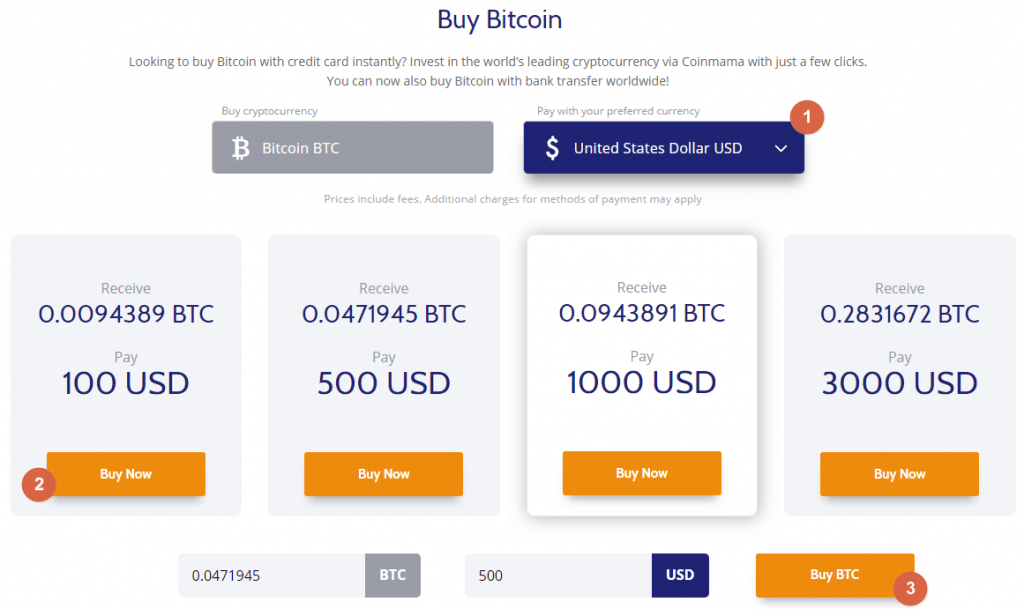
Buy Bitcoin with Credit Card – Getting Started with Cryptocurrency ...

While Bitcoin credit cards offer an innovative way to use cryptocurrency for everyday transactions, they also come with a set of disadvantages and risks that potential users should consider. Understanding these drawbacks can help individuals make informed choices about whether to integrate Bitcoin credit cards into their financial routines.

Potential Fees Associated with Bitcoin Credit Cards

Using Bitcoin credit cards can lead to various fees that may not be immediately obvious. These fees can significantly impact the overall cost-effectiveness of transactions. The following are common fees associated with Bitcoin credit cards:

  • Transaction Fees: Each time you use your Bitcoin credit card, a transaction fee may be applied, which can vary by provider.
  • Conversion Fees: Converting Bitcoin to fiat currency incurs fees, particularly if the conversion happens at the point of purchase.
  • Annual Fees: Some Bitcoin credit cards come with annual fees, which can add to the overall expense of using the card.
  • ATM Withdrawal Fees: Using your Bitcoin credit card to withdraw cash can involve additional charges at ATMs.

Volatility of Bitcoin Prices Impacting Transactions

The inherent volatility of Bitcoin prices can create challenges for users of Bitcoin credit cards. The value of Bitcoin can fluctuate dramatically within short periods, which affects the real-world price of purchased goods and services.

The price of Bitcoin can vary significantly, leading to unexpected costs during transactions due to its rapid appreciation or depreciation.

For instance, if a user purchases an item worth $100 in Bitcoin, the value of that Bitcoin may change before the transaction is completed, resulting in either overpayment or underpayment. This unpredictability can deter users from relying on Bitcoin credit cards for consistent spending.

Risks of Fraud and Hacking

The digital nature of Bitcoin credit cards exposes users to various security risks, particularly concerning fraud and hacking. Since Bitcoin transactions are irreversible, once a transaction is made, recovering funds can be extremely difficult if fraud occurs. Key risks include:

  • Hacking Threats: Cybercriminals target platforms and exchanges where cryptocurrencies are stored, and if hackers gain access to a Bitcoin credit card account, funds may be at risk.
  • Phishing Scams: Users may fall victim to phishing attempts where fraudulent entities trick them into providing sensitive information.
  • Card Skimming: Similar to traditional credit card fraud, Bitcoin credit cards can also be subject to skimming, where unauthorized individuals capture card details.

Ensuring the security of personal data and transactions is crucial when using Bitcoin credit cards, which necessitates the use of strong passwords, two-factor authentication, and regular monitoring of account activity.

How to Choose a Bitcoin Credit Card

When selecting a Bitcoin credit card, it’s essential to consider multiple factors that can significantly influence your experience. With the variety of options available, understanding what to look for can ensure you choose the right card that fits your financial habits and lifestyle.To make an informed decision, here’s a checklist of key factors to consider:

Checklist of Factors to Consider

Selecting the right Bitcoin credit card involves assessing various elements. The following checklist helps ensure you evaluate all necessary aspects before applying:

  • Fees: Look for annual fees, transaction fees, and foreign exchange fees. Understanding these costs can help you avoid unexpected charges.
  • Rewards and Benefits: Examine the rewards program associated with the card, like cashback on purchases or crypto rewards.
  • Conversion Rates: Check the card’s conversion rates for Bitcoin to fiat when making purchases, as lower rates can significantly impact your savings.
  • Accepted Merchants: Ensure the card is widely accepted by merchants that you frequently shop with.
  • Security Features: Investigate security measures in place, such as fraud protection and two-factor authentication.
  • Customer Support: Look into the availability and quality of customer service options to assist you when needed.

User Experiences and Reviews

Understanding user experiences and reviews is crucial for evaluating Bitcoin credit card providers. Many users share insights about their experiences, which can highlight both strengths and weaknesses of various cards. For example, some users have praised cards like the BlockFi Bitcoin Rewards Credit Card for its straightforward rewards structure and ease of use. Others may have highlighted concerns about customer service delays or high fees associated with specific providers.

It’s beneficial to browse platforms like Reddit or Trustpilot to gather honest feedback from current users, as this can provide a realistic picture of what to expect.

Application Process for Obtaining a Bitcoin Credit Card

The application process for obtaining a Bitcoin credit card typically involves several steps, which can slightly vary between different providers. Here’s a general Artikel of what to expect:

1. Pre-Approval

Some providers may offer a pre-approval process, allowing you to check eligibility without impacting your credit score.

2. Application Submission

Fill out the application form with personal information, including identification documents, financial details, and any required disclosures.

3. Identity Verification

Most providers conduct a Know Your Customer (KYC) process to verify your identity, which may involve submitting scanned documents.

4. Credit Assessment

Upon completion of the application and verification, the provider assesses your creditworthiness.

5. Card Issuance

If approved, you’ll receive your card, typically via mail, along with instructions on how to activate it.This structured approach ensures that you are well-informed throughout the process and can make a secure investment in your financial future with a Bitcoin credit card.

Future of Bitcoin Credit Cards

The future of Bitcoin credit cards is an exciting topic that reflects the rapidly evolving landscape of digital finance. As cryptocurrencies continue to gain traction and consumer demand for innovative payment options grows, Bitcoin credit cards are poised to play a significant role in the financial ecosystem. This section explores emerging trends, regulatory challenges, and predictions for how these cards may evolve in the coming years.

Emerging Trends in the Bitcoin Credit Card Market

The Bitcoin credit card market is witnessing several trends that indicate its growth and adaptation within the broader financial services industry. One notable trend is the integration of advanced technology, allowing for seamless transactions and enhanced user experiences.

  • Increased Adoption: More financial institutions and fintech companies are entering the Bitcoin credit card space, offering products that cater to different user needs.
  • Enhanced User Interfaces: Companies are focusing on user-friendly apps and dashboards that simplify managing Bitcoin transactions alongside traditional spending.
  • Rewards Programs: Many Bitcoin credit cards are introducing attractive rewards programs, where users can earn cryptocurrency back on their purchases, making them more appealing.
  • Integration with DeFi: The rise of decentralized finance (DeFi) may lead Bitcoin credit cards to offer unique financial products that connect traditional banking with blockchain technology.

Regulatory Challenges Facing Bitcoin Credit Cards

With the expansion of Bitcoin credit cards comes the inevitable scrutiny from regulatory bodies worldwide. There are several key challenges that companies in this space must navigate to ensure compliance and sustainability.

  • Varied Regulations: Different countries have varying laws regarding cryptocurrencies, creating a challenging environment for international Bitcoin credit card issuers.
  • Consumer Protection: Regulatory bodies are increasingly focusing on consumer protection, which may require stringent transparency measures from Bitcoin credit card providers.
  • AML and KYC Requirements: Anti-money laundering (AML) and know your customer (KYC) regulations necessitate that Bitcoin credit card companies implement robust verification processes, adding complexity to their operations.
  • Tax Implications: The treatment of cryptocurrency transactions for tax purposes is still evolving, which may affect how Bitcoin credit cards are structured and used.

Predictions for the Evolution of Bitcoin Credit Cards

As Bitcoin credit cards continue to mature, several predictions can be made regarding their future development. The next few years are likely to see significant changes driven by technological advancements and consumer preferences.

  • Wider Acceptance: Bitcoin credit cards may become more widely accepted by mainstream retailers, especially as payment processors improve their cryptocurrency integration capabilities.
  • Smart Contracts: The integration of smart contracts could enable automated transactions that ensure compliance and security in cryptocurrency spending.
  • Customizable Features: Future Bitcoin credit cards may offer customizable features that allow users to set limits, automate conversions, or tailor rewards programs to their spending habits.
  • Sustainability Focus: As environmental concerns regarding cryptocurrency mining grow, Bitcoin credit cards may begin to emphasize eco-friendly practices, such as supporting renewable energy projects.

“Bitcoin credit cards are not just a payment method; they’re a bridge between traditional finance and the future of digital transactions.”

Alternatives to Bitcoin Credit Cards

As Bitcoin credit cards gain traction in the financial ecosystem, it’s essential to explore alternative methods for spending cryptocurrencies. These alternatives can offer unique advantages and cater to different user preferences and needs. By comparing Bitcoin credit cards with other spending options, users can make informed decisions about the best methods for their cryptocurrency transactions.

Comparison of Bitcoin Credit Cards with Other Cryptocurrency Spending Methods

Bitcoin credit cards provide a bridge between traditional banking and the cryptocurrency world, but they are not the only option available. Other methods allow users to spend Bitcoin and other cryptocurrencies directly. Each alternative has its own set of benefits and limitations.A popular alternative is using cryptocurrency wallets for transactions. Unlike credit cards, cryptocurrency wallets facilitate direct peer-to-peer transactions, enabling users to send and receive digital currencies without intermediary financial institutions.Moreover, the following points highlight the advantages of using cryptocurrency wallets over Bitcoin credit cards:

  • Lower Fees: Cryptocurrency wallets often incur lower transaction fees compared to credit cards, which may charge processing fees on transactions.
  • Enhanced Privacy: Wallet transactions can provide users with more privacy, as they do not require personal information to be shared when making purchases directly.
  • Control Over Funds: With a cryptocurrency wallet, users have full control over their funds, reducing dependence on credit card companies and potential disputes.
  • Faster Transactions: Direct transactions through wallets can often be processed faster than credit card transactions that involve multiple parties.

Payment Platforms That Accept Bitcoin Directly

Several payment platforms have emerged that accept Bitcoin directly, allowing users to bypass traditional credit card systems entirely. These platforms provide an excellent opportunity for individuals and businesses to transact with cryptocurrencies seamlessly. Here are some noteworthy platforms:

  • BitPay: A popular payment processor that enables merchants to accept Bitcoin payments directly.
  • CoinGate: Offers payment processing for businesses and allows users to pay with Bitcoin and other cryptocurrencies.
  • Coinbase Commerce: Allows merchants to accept Bitcoin and other cryptocurrencies directly, integrating with their existing payment systems.
  • Shopify: Through various integrations, Shopify allows merchants to accept Bitcoin payments via third-party services.
  • OpenNode: Focuses on enabling merchants to accept Bitcoin payments quickly and efficiently, providing a robust infrastructure for transactions.

By understanding these alternatives, users can better navigate the cryptocurrency landscape, ensuring they choose the most effective and beneficial methods for spending their digital assets.

Final Wrap-Up

In conclusion, Bitcoin credit cards present a fascinating opportunity for those looking to combine the flexibility of credit with the innovative world of digital currency. As the market evolves and technology advances, these cards are likely to become an increasingly popular choice for consumers ready to embrace the future of finance.

Key Questions Answered

What are the fees associated with Bitcoin credit cards?

Fees can vary by provider, but common ones include transaction fees, exchange rate fees, and annual fees.

Are Bitcoin credit cards safe to use?

While they offer certain security measures, users should remain vigilant about fraud and hacking risks.

Can I earn rewards with a Bitcoin credit card?

Yes, many Bitcoin credit cards offer cash-back rewards or loyalty points for spending.

How does the application process for a Bitcoin credit card work?

The process typically involves providing personal information, verifying identity, and linking a Bitcoin wallet.

Are there alternatives to Bitcoin credit cards?

Yes, alternatives include cryptocurrency wallets and payment platforms that accept Bitcoin directly without using a credit card.
Navigating the world of cryptocurrency can be daunting, especially when it comes to purchasing Bitcoin. This guide delves into the intricacies of “buy bitcoin real,” exploring the nuances of this phrase and providing practical advice for secure transactions. We’ll examine various methods, compare platforms, and highlight critical safety measures to ensure a smooth and legitimate experience.

Understanding the subtle differences between “buy bitcoin real” and simply “buy bitcoin” is crucial. The added “real” often implies a focus on genuine, verifiable transactions, but it’s essential to be vigilant against scams. This article will clarify potential ambiguities and guide you through safe practices.

Understanding “Buy Bitcoin Real”

The phrase “buy Bitcoin real” typically refers to the process of acquiring Bitcoin using legitimate and verified methods. It implies a desire to avoid scams or fraudulent schemes, emphasizing the importance of secure transactions and reputable platforms. This approach contrasts with potentially risky or unreliable methods.The core meaning of “buy Bitcoin real” revolves around genuine transactions. This signifies using verified platforms, understanding the associated risks, and conducting purchases through established channels.

It suggests a commitment to transparency and security in the Bitcoin acquisition process.

Potential Interpretations

The phrase “buy Bitcoin real” can be interpreted in several ways. It often signifies a user’s desire to avoid scams and fraudulent activities, and instead opt for verified platforms for purchasing Bitcoin. This can include a focus on regulated exchanges, platforms with strong security measures, and verified user reviews. Furthermore, it underscores the need for proper research and due diligence when choosing a platform.

Common Misconceptions

A common misconception surrounding “buy Bitcoin real” is that it implies a single, universally accepted method. In reality, various legitimate methods exist for purchasing Bitcoin. The phrase aims to steer clear of fraudulent schemes and encourages careful research before engaging with any platform. Users should not assume a single method or platform will be universally deemed “real”. Instead, they must investigate the reliability and security of any given platform or method.

Methods and Platforms for Purchasing Bitcoin

Several methods exist for acquiring Bitcoin, each with its own advantages and disadvantages. These include:

  • Exchanges: Bitcoin exchanges are centralized platforms that facilitate the buying and selling of cryptocurrencies. They typically offer various payment options and often require verification processes. These exchanges usually have established trading volumes and track records. They generally provide a more streamlined and accessible way to buy Bitcoin for the average user.
  • Brokerages: Brokerages allow users to buy and sell cryptocurrencies as part of a broader portfolio of investments. This approach can be integrated into existing investment strategies, but typically involves higher fees and more complexity for users unfamiliar with brokerage platforms.
  • Peer-to-Peer (P2P) Platforms: P2P platforms connect buyers and sellers directly, bypassing intermediaries. While this can offer potentially lower fees, it often presents higher risks associated with verifying the legitimacy of the counterparty and the security of the transaction.

Legitimate and Reputable Platforms

Examples of legitimate and reputable platforms for buying Bitcoin include Coinbase, Kraken, and Gemini. These platforms generally have strong security measures in place, robust regulatory compliance, and positive user reviews. Users should conduct thorough research and check user reviews to identify trustworthy platforms. Note that this list is not exhaustive and other platforms may be legitimate and reputable.

Verifying Legitimacy of Bitcoin Purchase Platforms

Verifying the legitimacy of Bitcoin purchase platforms is crucial to prevent fraud and ensure secure transactions. Factors to consider include:

  • Regulatory Compliance: Look for platforms that operate within the legal framework of the jurisdiction in which they operate.
  • Security Measures: Platforms with strong security protocols (e.g., two-factor authentication, encryption) are preferable.
  • User Reviews and Reputation: Research user reviews and testimonials to assess the platform’s reputation and trustworthiness.
  • Transparency: Platforms that are transparent about their fees, policies, and security measures tend to be more trustworthy.

Comparing Bitcoin Exchange Platforms

Platform Ease of Use Security Fees
Coinbase High High Moderate
Kraken Medium High Variable
Gemini High High Moderate
Binance Medium-High High (with proper security measures) Low

This table provides a basic comparison, and the best platform will vary based on individual needs and preferences. Ease of use is subjective and security measures are critical factors to consider. Fees can vary depending on trading volume and other factors.

Exploring Bitcoin Purchase Methods

Acquiring Bitcoin involves various methods, each with unique characteristics impacting security and user experience. Understanding these distinctions empowers informed decision-making. Different approaches cater to diverse user needs and preferences, and each method carries specific advantages and disadvantages.A critical aspect of Bitcoin acquisition is the security posture of the chosen platform or method. Security protocols and measures are crucial to safeguarding digital assets.

Transparency and verification of security protocols employed by various exchanges are vital considerations.

Bitcoin Purchase Methods

Several avenues exist for acquiring Bitcoin. These methods vary significantly in terms of complexity, security, and accessibility. Bank transfers, credit/debit cards, and other options each present distinct features for users.

  • Bank Transfers: This method typically involves transferring funds from a bank account to a designated Bitcoin exchange. It often requires providing banking details and adhering to KYC (Know Your Customer) procedures. This method is generally secure when used through reputable exchanges with robust security measures. However, it might involve processing delays compared to other methods. This method often requires confirmation of bank transfers, adding to the time it takes to complete the transaction.

  • Credit/Debit Cards: This method allows users to directly purchase Bitcoin using their credit or debit cards. It’s a convenient option for many, but it’s essential to ensure the chosen exchange employs strong security measures. Card transactions are vulnerable to fraud if security protocols are inadequate. This method often involves immediate or near-immediate transaction completion, making it appealing for users who prefer rapid access to Bitcoin.

  • Other Methods: These include options like peer-to-peer (P2P) exchanges, where users directly transact with each other. This method often requires careful scrutiny of the counterparty and a deep understanding of Bitcoin security practices. Other options may involve using crypto-to-crypto exchanges, enabling trading between various cryptocurrencies. This approach could involve more complex technical considerations.

Security Considerations

Security is paramount when dealing with Bitcoin. Each purchase method presents unique security concerns that users should be aware of. Understanding these considerations is vital for protecting digital assets.

  • Bank Transfers: Security relies heavily on the exchange’s security measures and the user’s adherence to security best practices. Verifying the exchange’s reputation and security protocols is essential. Users should be wary of fraudulent exchanges or phishing attempts that mimic legitimate platforms.
  • Credit/Debit Cards: Protecting sensitive credit/debit card information is crucial. Users should ensure the exchange employs secure payment gateways and adheres to industry standards for data encryption. Staying vigilant against fraudulent activities and scams is essential.
  • Other Methods: Peer-to-peer transactions require users to verify the identity and trustworthiness of the counterparty. Users should avoid transactions with unknown or suspicious individuals. Utilizing escrow services can mitigate some risks in P2P exchanges. Carefully reviewing the security protocols of chosen crypto-to-crypto exchanges is critical.

Pros and Cons for Different Users

The choice of purchase method depends heavily on individual user preferences and circumstances. This section Artikels the pros and cons for different users.

  • Convenience: Credit/debit card transactions offer the convenience of immediate transactions. However, users must carefully consider the associated risks. Bank transfers, while secure, often have processing delays.
  • Security: Choosing reputable exchanges and employing robust security practices are crucial for all methods. Bank transfers are generally secure through established exchanges, whereas P2P transactions require greater diligence.
  • Cost: Transaction fees vary between methods. Users should compare transaction costs before making a purchase. Fees may include exchange fees, network fees, and potentially other charges.

Security Protocols Employed by Bitcoin Exchanges

The security protocols implemented by Bitcoin exchanges vary. This table Artikels the protocols employed by various exchanges.

Exchange Security Protocols
Exchange A Multi-factor authentication, two-factor authentication, regular security audits, encryption of data at rest and in transit, cold storage for significant portion of funds.
Exchange B Multi-factor authentication, security audits, encryption of data, hot wallets for faster transactions.
Exchange C Advanced security measures, multi-layer security, cold storage, dedicated security teams, insurance coverage.

Step-by-Step Guide: Buying Bitcoin with Credit/Debit Cards

This guide provides a general framework for buying Bitcoin using credit/debit cards. Actual steps may vary slightly depending on the specific exchange.

  1. Choose a Reputable Exchange: Select a well-established exchange known for its security measures.
  2. Create an Account: Follow the instructions to create an account and verify your identity.
  3. Add Payment Method: Add your credit/debit card to the exchange’s payment platform, ensuring compliance with security protocols.
  4. Review Purchase Details: Verify the amount of Bitcoin to be purchased and the associated fees before initiating the transaction.
  5. Confirm Purchase: Initiate the purchase and ensure the transaction is successfully completed.

Payment Options for Buying Bitcoin

This table summarizes different payment options for buying Bitcoin.

Payment Method Description Security Considerations
Bank Transfer Transfer funds from bank account to exchange Verify exchange security; avoid suspicious links
Credit/Debit Card Use card for direct Bitcoin purchase Ensure secure payment gateway; monitor transactions
P2P Exchange Direct transactions with other users Verify counterparty; use escrow services

Comparing “Buy Bitcoin Real” to “Buy Bitcoin”

The phrase “buy bitcoin real” has gained traction, potentially alongside the more common “buy bitcoin.” Understanding the subtle but important differences between these phrases is crucial for safe and successful cryptocurrency transactions. This comparison delves into the nuances of these expressions, emphasizing the importance of verifying legitimacy in both cases.The seemingly innocuous addition of “real” to the phrase “buy bitcoin” can introduce a layer of ambiguity and potentially signal a deceptive practice.

This added modifier may be used to convey a sense of authenticity, but it doesn’t inherently guarantee it. It’s essential to approach such phrases with caution, especially if encountered in less reputable or untested online environments.

Potential Implications of the “Real” Modifier

The inclusion of “real” can be misleading. It might imply a direct, verified transaction, or even a method that guarantees the legitimacy of the Bitcoin purchase. However, this modifier adds no inherent verification or security. Users must still independently verify the platform’s credibility, regardless of the phrasing used. The addition of “real” may be a tactic to attract users by exploiting a desire for authenticity.

Contexts Where “Buy Bitcoin Real” Might Be Used

“Buy Bitcoin Real” could appear in various contexts, ranging from online forums to social media posts or even advertisements. It might be employed to:

  • Create a sense of urgency or exclusivity around the purchase, appealing to users seeking genuine transactions.
  • Mask potentially fraudulent schemes or platforms. The phrase can be used to avoid raising suspicion.
  • Target users who may be unfamiliar with legitimate Bitcoin purchase methods.

Examples of Usage in Different Contexts

Consider these examples to illustrate the potential contexts:

  • Online Forum: “I’m looking to buy bitcoin real. Does anyone have any trusted platforms?” This implies a need for verification and avoids a simple search for Bitcoin purchase methods.
  • Social Media Post: A post might claim to offer a “guaranteed method to buy bitcoin real.” This should be approached with significant skepticism.
  • Scam Advertisement: A banner advertisement promising to “buy bitcoin real for the best price” might indicate a fraudulent operation.

Potential for Misinterpretations and Scams

The phrase “buy bitcoin real” can create a misleading perception of legitimacy. It may attract users looking for genuine transactions, while simultaneously masking potentially fraudulent platforms or schemes. Users must exercise extreme caution when encountering this phrase, especially if it comes with promises of high returns or exceptionally low prices.

Importance of Verifying Platforms

Regardless of whether the phrase used is “buy bitcoin real” or simply “buy bitcoin,” users must always independently verify the legitimacy of any platform or service offering to buy Bitcoin. Scrutinizing reviews, checking for security protocols, and confirming the platform’s reputation are critical steps. Using reputable and trusted exchanges or wallets is essential for safe transactions.

“Never trust an offer promising extraordinarily high returns or exceptionally low prices for Bitcoin.”

Safe Practices for Bitcoin Purchases

Secure Bitcoin purchases are crucial for safeguarding your investment and personal information. Following established protocols and recognizing potential red flags can significantly mitigate risks. Due diligence and a cautious approach are paramount in this digital realm.Purchasing Bitcoin, like any financial transaction, demands vigilance. Understanding the methods for verifying platform legitimacy, the risks associated with untrusted sources, and the importance of protecting personal information are essential for a smooth and secure experience.

This section details critical practices to ensure your Bitcoin acquisitions are conducted safely and effectively.

Verifying Platform Legitimacy

Establishing the trustworthiness of a Bitcoin exchange is paramount. Thorough research is vital before engaging with any platform. Look for established exchanges with a proven track record and positive user reviews. Scrutinize the platform’s security measures, including encryption protocols and security certifications.

Assessing Security Measures

Examine the exchange’s security protocols. Robust security measures are essential to protect your funds. Look for exchanges with SSL certificates (indicating secure connections) and advanced encryption techniques. Ensure the platform has multi-factor authentication (MFA) options, which add an extra layer of security.

Protecting Personal Information and Funds

Safeguarding your personal information and funds is crucial. Never share sensitive data (passwords, private keys, etc.) with untrusted sources. Use strong, unique passwords for all accounts associated with your Bitcoin purchases. Always monitor your accounts for suspicious activity and report any irregularities immediately.

Due Diligence in Verifying Bitcoin Exchanges

Conduct thorough due diligence to verify the exchange’s legitimacy. Research the exchange’s history, user reviews, and regulatory compliance. Look for exchanges that are registered and regulated in your jurisdiction.

Recognizing Red Flags for Scams and Fraudulent Platforms

Be wary of any exchange offering unrealistic returns or overly simplified procedures. A lack of clear terms and conditions or hidden fees should raise suspicion. Any platform requesting unusual amounts of personal information or requiring immediate action should be avoided.

Table of Tips for Recognizing Fraudulent or Untrustworthy Platforms

Red Flag Explanation
Unrealistic promises of high returns Excessively high returns are often a sign of a scam.
Lack of clear terms and conditions A lack of transparency in terms and conditions is a cause for concern.
Hidden fees or charges Excessively high or hidden fees should raise suspicion.
Unusual or excessive requests for personal information Any request for unnecessary personal information is a cause for concern.
Pressure to act immediately Exchanges pressuring you to act quickly are likely fraudulent.
Poor or non-existent customer support Limited or nonexistent customer support suggests a lack of credibility.
Platform lacking clear security measures Exchanges with insufficient security measures should be avoided.

Illustrative Examples of Bitcoin Purchase

Purchasing Bitcoin, like any financial transaction, involves specific steps and considerations. Understanding these steps is crucial to ensuring a safe and successful exchange. This section will detail legitimate purchases, fraudulent attempts, and the steps to take in each scenario.Legitimate Bitcoin purchases, when executed through reputable platforms, generally follow a secure process. The key to a successful purchase is careful selection of the platform and adherence to best practices.

This includes verifying the platform’s legitimacy, understanding the associated fees, and employing strong passwords and security measures.

Legitimate Bitcoin Purchase Example

A user, Sarah, wishes to purchase 1 Bitcoin. She chooses a reputable exchange known for security and user-friendly interfaces. The platform requires verification of her identity, which Sarah completes through the platform’s secure channels. After verification, Sarah initiates the purchase. The exchange confirms the transaction, and the Bitcoin is credited to her account.

She receives confirmation via email and through the platform’s interface. Crucially, this process involves strong security measures on both sides, mitigating risks significantly.

Steps in a Secure Bitcoin Purchase

  • Select a reputable Bitcoin exchange or platform.
  • Verify the platform’s legitimacy through independent research and reviews.
  • Complete the required KYC (Know Your Customer) verification procedures.
  • Initiate the purchase order, confirming the details carefully.
  • Review and confirm the transaction details before submission.
  • Monitor the transaction status until completion.
  • Store the Bitcoin securely in a designated wallet or account.

Table of Bitcoin Purchase Methods

Purchase Method Steps Required Information
Exchange Platform Account creation, KYC, purchase initiation, transaction confirmation. Personal details, payment method details, Bitcoin wallet address.
Peer-to-peer (P2P) Platform Contacting seller, negotiating price, transferring funds, confirming Bitcoin delivery. Seller details, Bitcoin wallet address, payment method details.
Over-the-counter (OTC) Platform Contacting a broker, negotiating price, transferring funds, confirming Bitcoin delivery. Broker details, Bitcoin wallet address, payment method details.

Fraudulent Bitcoin Purchase Attempt

A user, David, encounters an advertisement offering exceptionally high returns on Bitcoin investment. The ad directs him to a seemingly legitimate website, but the website is a sophisticated phishing attempt. David enters his login credentials, and the fraudsters steal his funds and Bitcoin. This illustrates the importance of verifying the legitimacy of any website or platform offering high-return investment opportunities.

Reporting a Fraudulent Bitcoin Purchase Attempt

  • Immediately contact the platform or exchange where the transaction occurred.
  • Document all communication with the fraudulent party, including screenshots of messages or websites.
  • File a police report for legal documentation.
  • Report the incident to relevant financial authorities if applicable.

Recovering Lost Funds in a Fraudulent Transaction

Recovering lost funds in a fraudulent transaction is often complex and may not be fully successful. However, documenting all interactions, reporting the incident to the authorities, and employing legal remedies are crucial steps. This process may involve tracing the funds, engaging legal professionals, and cooperating with authorities. The success of recovery depends on various factors, including the sophistication of the fraud and the timely reporting of the incident.

Contextual Understanding of “Buy Bitcoin”

The phrase “buy bitcoin” holds diverse meanings depending on the context. It encompasses a range of motivations, from investment strategies to speculative endeavors and beyond. Understanding these nuances is crucial for anyone considering participating in the Bitcoin market.The act of “buying bitcoin” signifies acquiring digital Bitcoin units (BTC) through various methods. The fundamental principle remains the same: exchanging fiat currency (like dollars, euros, or yen) for Bitcoin.

However, the reasons behind this transaction can differ significantly.

Various Contexts of “Buy Bitcoin”

The phrase “buy bitcoin” can be used in numerous contexts, each with its own implications. It could refer to purchasing Bitcoin for investment purposes, for speculation, or for use as a means of payment. It could also refer to a specific exchange or platform where the transaction is made. Understanding the context is vital to accurately interpreting the intent behind the action.

Motivations Behind Bitcoin Purchases

Individuals are motivated to purchase Bitcoin for a variety of reasons. Some seek to profit from its price appreciation, while others are drawn to the potential for financial freedom or decentralized finance. Still others may see it as a hedge against inflation or a way to diversify their investment portfolio.

User Profiles and Motivations

Different user profiles exhibit varying motivations for buying Bitcoin. A young professional, for instance, might be interested in Bitcoin as a potential investment opportunity. A seasoned investor may view it as a long-term asset, expecting substantial gains over time. A business owner might be drawn to Bitcoin as a means of payment to reduce transaction costs or enhance international trade.

An individual concerned about financial freedom might use Bitcoin as a way to reduce reliance on traditional financial institutions.

Different Types of Bitcoin Buyers

The Bitcoin market attracts various types of buyers, each with their own investment approach.

  • Investors typically seek long-term gains, holding Bitcoin for extended periods. Their motivations are often linked to the potential for substantial returns over time.
  • Speculators often focus on short-term price fluctuations, aiming to profit from price swings. Their motivations are frequently tied to market sentiment and trading strategies, often involving high-risk, high-reward scenarios.
  • Users are individuals who use Bitcoin as a payment method for goods and services. They may value its speed, lower transaction fees, or global accessibility. Their primary motivation is not profit but utility.

Illustrative Examples of Bitcoin Buyer Profiles

User Profile Motivation Investment Strategy
Young Professional Potential for investment returns, diversification of portfolio Long-term investment, regular contributions
Seasoned Investor Long-term asset appreciation, portfolio diversification Value investing, diversified portfolio
Business Owner Reduced transaction costs, global reach Acceptance as a payment method
Individual Seeking Financial Freedom Reduced reliance on traditional finance, decentralized finance Holding Bitcoin for the long term

Final Review

How to Buy Bitcoin? The Essential Guide - Productivity Land

In conclusion, buying Bitcoin “real” necessitates a careful approach to ensure legitimacy and security. This guide has provided a comprehensive overview of the process, from understanding the phrase’s implications to practical steps for secure transactions. Remember to prioritize verification, understand the risks, and practice due diligence to avoid potential scams. By following these guidelines, you can confidently navigate the Bitcoin marketplace.

FAQ Compilation

What are the common misconceptions about “buy bitcoin real”?

Many believe “buy bitcoin real” implies a special or guaranteed method. However, it simply emphasizes the importance of verifying the platform’s legitimacy, regardless of the terminology used.

What are some red flags for fraudulent Bitcoin platforms?

Look out for platforms with poor security practices, unrealistic promises, or unusual pressure to act quickly. Unclear or vague terms and conditions are also a warning sign.

How can I verify the legitimacy of a Bitcoin exchange?

Thoroughly research the platform’s reputation, read reviews from other users, and check for regulatory compliance. Look for SSL certificates and secure payment gateways.

What are the best practices for protecting my personal information during Bitcoin transactions?

Use strong passwords, enable two-factor authentication, and be cautious about sharing personal details online. Avoid using the same passwords for multiple accounts.