May 13, 2026

bitcoin purchase

Buying Bitcoin with a credit card is becoming increasingly popular, but navigating the options can be tricky. This guide explores various platforms, payment methods, security considerations, and alternative approaches to help you make informed decisions.

The world of cryptocurrency is ever-evolving, and understanding the nuances of buying Bitcoin with credit cards is essential for any potential investor. From the initial steps to completing a transaction, this comprehensive overview provides a thorough understanding of the process.

Introduction to Bitcoin Purchases

Bitcoin is a decentralized digital currency, meaning it operates independently of central banks or governments. It’s based on blockchain technology, a secure and transparent ledger system that records transactions. Bitcoin’s value fluctuates, and it’s used for various transactions, including online purchases, investments, and international remittances.The process of purchasing Bitcoin typically involves selecting a reputable Bitcoin exchange platform, verifying your account, depositing funds (often through a credit card or bank transfer), and then selecting the amount of Bitcoin to purchase.

After confirmation, the Bitcoin is credited to your account.

Common Terminology

Several terms are frequently used in the context of Bitcoin purchases. Understanding these terms is crucial for navigating the process smoothly. “Bitcoin exchange” refers to a platform where you can buy and sell Bitcoin. “Wallet” is a digital repository to store your Bitcoin. “Market order” is an order to buy or sell Bitcoin at the current market price.

“Limit order” is an order to buy or sell Bitcoin at a specific price. “Fees” are charges associated with transactions.

Bitcoin Exchange Types

Different types of Bitcoin exchanges cater to various needs and preferences. Recognizing the features, advantages, and disadvantages of each can help you make informed choices.

Exchange Type Features Pros Cons
Centralized Exchange Operate under a single entity. Often provide user-friendly interfaces and multiple payment methods. Ease of use, wide variety of payment options, often readily available support. Potential for security breaches, single point of failure, susceptible to regulatory changes.
Decentralized Exchange (DEX) Operate on a peer-to-peer network. Often feature lower fees and higher levels of anonymity. Lower transaction fees, greater user control, increased security through decentralization. More complex to use, potentially lower liquidity compared to centralized exchanges, less readily available customer support.
Brokerage Platform Often integrated with traditional brokerage accounts. Provide a way to buy Bitcoin through a familiar platform. User-friendly interface, integration with existing brokerage accounts, often available through familiar financial platforms. May have higher fees, limited selection of payment methods, potential for slower transaction speeds.

Methods for Buying Bitcoin with Credit Cards

Purchasing Bitcoin using credit cards offers convenience, but the process isn’t uniform. Various platforms and methods exist, each with its own set of advantages and drawbacks. Understanding these methods is crucial for making informed decisions about your Bitcoin acquisitions.Different platforms utilize distinct approaches to facilitate Bitcoin purchases with credit cards, often involving intermediaries or direct integrations. Security protocols and associated fees vary significantly, so thorough research is essential before choosing a method.

Methods of Bitcoin Purchase with Credit Cards

Several methods facilitate Bitcoin purchases with credit cards. These methods often involve third-party platforms that act as intermediaries, processing the credit card transaction and then transferring the Bitcoin to the buyer’s wallet. Some platforms integrate directly with the credit card network for a streamlined process.

  • Direct Exchange Platforms: Some exchanges directly support credit card purchases. This usually involves a streamlined process where the user provides their credit card details on the exchange platform, and the transaction is handled by the exchange itself. Security is often enhanced by multi-factor authentication and robust security protocols implemented by the exchange.
  • Third-Party Payment Processors: These platforms act as intermediaries, processing credit card payments and facilitating the Bitcoin transfer to the buyer. This approach can be more complex as it involves two parties. Security depends on the reputation and security measures of both the exchange and the payment processor.
  • Peer-to-peer (P2P) Platforms: These platforms connect buyers and sellers directly, often facilitating transactions outside the traditional exchange structure. While providing flexibility, the level of security and regulatory oversight can vary greatly. A buyer should be extremely cautious when using P2P platforms, especially with regards to confirming the seller’s identity and avoiding scams.

Security Considerations

Security is paramount when using credit cards to purchase Bitcoin. Each method presents its own set of risks and potential vulnerabilities.

  • Scams and Fraud: Be wary of fraudulent platforms or individuals. Verify the legitimacy of the platform and the seller’s identity before committing to any transaction. Always research the reputation of the platform before using it.
  • Data Security: Ensure the platform you’re using employs strong encryption and data protection measures to safeguard your credit card information and personal details. Look for indicators of secure practices like HTTPS and encryption protocols.
  • Two-Factor Authentication (2FA): Enable 2FA whenever possible to add an extra layer of security to your account. This adds an extra verification step, preventing unauthorized access.

Fees Associated with Each Method

Fees associated with Bitcoin purchases via credit cards vary significantly depending on the platform and the method employed. Transaction fees, processing fees, and potentially, exchange fees are often involved.

  • Transaction Fees: These are charged by the Bitcoin network itself, and the amount varies with network congestion and transaction size. These fees are typically minimal, but they can accumulate over time, especially in high-volume transactions.
  • Platform Fees: The platform facilitating the transaction may charge its own fees. These fees can be fixed or variable, and they need to be considered in your overall cost calculation.
  • Credit Card Fees: Your credit card provider might also charge fees for international transactions or for using your card for specific types of transactions. Always check your credit card terms and conditions.

Reputable Platforms for Bitcoin Purchases

Many reputable platforms allow Bitcoin purchases with credit cards. These platforms have a proven track record and are often subject to regulatory oversight. Always conduct thorough research before choosing a platform to avoid scams or issues.

  • Coinbase: A widely recognized and established cryptocurrency exchange.
  • Kraken: A prominent cryptocurrency exchange with a global reach.
  • Binance: A significant cryptocurrency exchange known for its extensive features and services.

Comparison Table of Methods

This table Artikels the pros, cons, fees, and security aspects of each method.

Method Pros Cons Fees Security
Direct Exchange Platforms Streamlined process, often secure May have limited selection of cryptocurrencies Variable, depending on the exchange High, due to robust security protocols of exchanges
Third-Party Payment Processors Convenience, potentially lower fees More complex process, reliance on third-party security Variable, depending on the processor and exchange Medium, depends on the reputation of the intermediary
P2P Platforms Potentially lower fees, flexibility Higher risk of fraud, lack of regulatory oversight Variable, depending on the seller and transaction Low, varying significantly based on the seller

Security and Risks of Buying Bitcoin with Credit Cards

Purchasing Bitcoin with credit cards, while convenient, carries inherent security risks. Understanding these risks and the security measures employed by reputable platforms is crucial for a safe transaction experience. Users must be vigilant in identifying potential scams and adopting protective measures to minimize vulnerabilities.

Security Measures Used by Reputable Platforms

Reputable Bitcoin platforms prioritize security through various measures. These include robust encryption protocols, secure server infrastructure, and multi-factor authentication (MFA). Advanced fraud detection systems are often employed to identify and flag suspicious transactions. These measures aim to safeguard user funds and personal information from unauthorized access. Transaction verification and validation processes also contribute to enhanced security.

Potential Risks and Vulnerabilities

Several risks are associated with purchasing Bitcoin with credit cards. These include the potential for fraudulent websites, phishing scams, and credit card fraud. Compromised platform security, where hackers gain unauthorized access to user data, can expose sensitive information like credit card details. Unregulated or poorly vetted platforms present increased risks. User error, such as clicking on malicious links or providing personal information on insecure websites, can also lead to vulnerabilities.

Strategies for Mitigating Risks

Several strategies can help mitigate the risks of buying Bitcoin with credit cards. These include verifying the platform’s legitimacy and reputation, ensuring the platform utilizes strong encryption and secure payment gateways. Using strong passwords, enabling MFA, and regularly monitoring account activity are crucial steps. Users should avoid using public Wi-Fi for sensitive transactions and promptly report any suspicious activity.

How to Spot Fraudulent Websites or Scams

Spotting fraudulent websites or scams is critical. Look for poorly designed websites, unrealistic offers, or requests for unusual information. Unsecure websites without HTTPS encryption are red flags. Check for reviews and ratings of the platform before proceeding. Contacting customer support or contacting the platform’s support channels for verification is important before providing sensitive information.

Be wary of websites that use aggressive or urgent language.

Table of Potential Security Threats and Prevention Strategies

Threat Description Prevention
Phishing Scams Deceptive websites or emails impersonating legitimate platforms to steal user credentials. Verify website authenticity, be cautious of unsolicited emails or messages, and avoid clicking on suspicious links.
Fraudulent Websites Websites designed to deceive users into providing personal or financial information. Verify the website’s security and reputation using reputable review sources, check for HTTPS encryption, and avoid entering sensitive information on suspicious sites.
Credit Card Fraud Unauthorized use of credit cards during Bitcoin purchases. Monitor credit card statements closely, report any unauthorized transactions immediately, and use strong passwords.
Compromised Platform Security Hackers gaining access to user data on the platform. Choose platforms with robust security measures, enable multi-factor authentication, and keep software updated.
Unregulated Platforms Platforms lacking proper regulatory oversight, increasing the risk of fraud and security breaches. Prioritize reputable and regulated platforms with a proven track record.

Alternatives to Buying Bitcoin with Credit Cards

Beyond credit cards, various methods facilitate Bitcoin acquisition. These alternatives often offer distinct advantages in terms of fees, security, and speed, catering to diverse user preferences and financial situations. Understanding these options empowers informed decision-making when purchasing Bitcoin.

Alternative Payment Methods for Bitcoin Purchases

Different payment methods provide varying levels of convenience and security. Choosing the right alternative depends on individual circumstances, including preferred transaction speeds, available payment options, and risk tolerance.

Exploring these alternatives is crucial for users seeking options beyond traditional credit card purchases. Each method has its own set of advantages and disadvantages that should be carefully considered.

  • Bank Transfers: Direct bank transfers offer a straightforward method for Bitcoin purchases. This approach often involves a third-party intermediary platform facilitating the transfer. While generally secure, bank transfers might incur transaction fees and may not be instantaneous, taking several business days to complete. This option is readily available for users with bank accounts.
  • Debit Cards: Debit cards provide a convenient method for immediate Bitcoin purchases. However, they are not always readily available on every platform, and the associated fees can vary. This method is typically faster than bank transfers but may have transaction limits. This option is suitable for users comfortable using debit cards for online transactions.
  • Peer-to-Peer (P2P) Exchanges: P2P exchanges connect buyers and sellers directly, allowing for potentially lower fees compared to traditional exchanges. However, the security risk associated with dealing directly with unknown parties should be carefully assessed. This option might be suitable for users comfortable with the potential risks associated with direct transactions. This method offers the potential for flexibility but involves increased risk compared to using established platforms.

  • Cryptocurrency Exchanges: Many cryptocurrency exchanges allow users to buy Bitcoin using other cryptocurrencies they already own. This can be a cost-effective approach for users with existing crypto holdings. However, the fees associated with these exchanges may still apply, and the exchange rate at the time of conversion may impact the overall cost. This method offers a cost-effective approach for users with existing cryptocurrencies.

  • Gift Cards: Gift cards provide another alternative payment method. However, this method often involves a third-party intermediary and may incur fees or restrictions. The security and speed of this method can vary depending on the gift card provider. This option is a suitable alternative for users with gift cards to redeem.

Comparing Alternative Bitcoin Purchase Methods

This table summarizes the key aspects of the alternative Bitcoin purchase methods.

Alternative Method Pros Cons Platform Examples
Bank Transfers Generally secure, readily available for most users. Can take several business days, potential for transaction fees. Coinbase, Gemini, Kraken
Debit Cards Fast and convenient, suitable for immediate purchases. Not available on all platforms, fees may apply. Coinbase, Binance, Crypto.com
P2P Exchanges Potentially lower fees, direct interaction with sellers. Higher security risk, potential for scams. LocalBitcoins, Paxful
Cryptocurrency Exchanges Cost-effective for users with existing crypto holdings. Fees and exchange rates may impact cost. Binance, Coinbase, Kraken
Gift Cards Potential alternative payment method. Fees or restrictions may apply, security and speed vary. Various online gift card marketplaces

Bitcoin Purchase Process Overview

Purchasing Bitcoin with a credit card typically involves a few key steps. Understanding these steps, and the potential risks associated with each, is crucial for a safe and successful transaction. This process can vary slightly depending on the specific platform used, but the fundamental steps remain consistent.The process begins with selecting a reputable platform, which should be verified for security and transparency.

This is a crucial first step, as the platform’s reliability directly impacts the security and safety of the transaction. Once the platform is chosen, the user needs to complete the necessary steps to establish an account, add funds, and finally, complete the purchase.

Account Creation

Account creation on a Bitcoin platform often involves providing personal information, such as name, address, and email. These details are essential for account verification and compliance with regulations. Users should carefully review the platform’s terms of service and privacy policy to understand how their data will be handled. It is important to choose strong passwords and enable two-factor authentication for added security.

The process typically includes verifying the user’s identity to comply with KYC (Know Your Customer) and AML (Anti-Money Laundering) regulations.

Funding the Account

Adding funds to the account is the next step. Users usually select their preferred payment method, which often includes credit cards. The platform will provide instructions on how to link the credit card and the amount to be deposited. Users should always double-check the details before initiating the transaction to prevent errors. A confirmation step is generally included, and users should carefully review the confirmation to ensure accuracy.

Completing the Bitcoin Purchase

Once the account is funded, the user can initiate the Bitcoin purchase. The platform will typically display the current Bitcoin price and the amount of Bitcoin that can be purchased with the available funds. Users should carefully review the order details before confirming the transaction. The platform will typically require a confirmation step to ensure the user intends to proceed with the purchase.

Transaction Confirmation

Bitcoin transactions are typically confirmed in a few minutes, though the exact time can vary. This confirmation is crucial as it ensures the transaction is recorded on the blockchain and is irreversible. A confirmation process involves a sequence of blocks being added to the blockchain, validating the transaction and recording it permanently. The number of confirmations required for the transaction to be considered final varies depending on the platform.

Verifying Platform Authenticity

Authenticating the platform’s legitimacy is crucial. Look for security features like HTTPS encryption in the platform’s URL, a secure payment gateway, and a robust reputation within the crypto community. Read reviews and check the platform’s compliance with regulations to minimize risks. Contacting the platform’s customer support or checking for regulatory compliance information will verify the platform’s authenticity.

Bitcoin Purchase Process Steps

Step Description Considerations
Step 1 Create an account on a reputable Bitcoin platform. Provide accurate personal information, choose a strong password, and enable two-factor authentication. Verify platform legitimacy, review terms and conditions, and prioritize security.
Step 2 Fund the account using a credit card. Carefully review the transaction details and confirm the deposit. Choose a trusted payment method, double-check details before confirming, and be mindful of potential transaction fees.
Step 3 Initiate the Bitcoin purchase. Review the order details, including the price and quantity of Bitcoin. Confirm the transaction. Ensure the platform displays accurate pricing and order details. Double-check order specifics before finalizing the purchase.
Step 4 Confirm the transaction on the platform. Monitor the transaction status. Note the number of confirmations required by the platform. Understand the confirmation process and the time it takes for Bitcoin transactions to be finalized on the blockchain.
Step 5 Verify the platform’s authenticity. Check for security features, reviews, and compliance. Prioritize security, review platform legitimacy before proceeding with transactions, and look for regulatory compliance.

Buy Bitcoin – General Discussion

Bitcoin, a decentralized digital currency, has gained significant traction in recent years. Its fluctuating price and unique characteristics make understanding its market crucial for potential investors. This section provides an overview of the Bitcoin market, its driving forces, and the role of exchanges in facilitating transactions.

Bitcoin Market Overview

The Bitcoin market is a global, 24/7 marketplace for buying and selling Bitcoin. Its decentralized nature allows for transactions across geographical boundaries, unlike traditional financial systems. This global reach contributes to the volatility often observed in the Bitcoin market.

Factors Influencing Bitcoin Price

Several factors influence the Bitcoin price, creating a dynamic and unpredictable market. These include market sentiment, news events, regulatory developments, and technological advancements. For instance, positive news about Bitcoin’s adoption by major companies or a successful upgrade to the Bitcoin network can drive up the price. Conversely, negative news or regulatory uncertainty can lead to price drops. Speculation and investor psychology also play a significant role in price fluctuations.

Role of Exchanges in Bitcoin Purchases

Bitcoin exchanges are crucial intermediaries in the Bitcoin market. They provide a platform for buyers and sellers to interact and facilitate transactions securely. Exchanges offer various features, including secure storage of cryptocurrencies, order matching, and fiat currency (like USD) conversion. They act as the bridge between traditional finance and the decentralized Bitcoin ecosystem.

Brief History of Bitcoin

Bitcoin was introduced in 2009 by an enigmatic figure or group known as Satoshi Nakamoto. Its genesis was rooted in the desire for a decentralized, peer-to-peer payment system independent of traditional financial institutions. The early years saw slow adoption, but as Bitcoin’s potential became more widely recognized, its use and value increased dramatically.

Comparison of Bitcoin Exchanges

Exchange Features Fees Security
Coinbase User-friendly interface, wide range of fiat currency support, strong security measures. Variable, depending on trading volume and type. Robust security measures, including multi-factor authentication and cold storage.
Binance Large trading volume, extensive cryptocurrency selection, advanced trading tools. Variable, often lower than Coinbase for high-volume traders. Known for significant security investment, with multiple layers of protection.
Kraken Advanced trading tools, focus on institutional investors, excellent security track record. Variable, potentially higher for certain trades compared to Binance. Solid security practices, often considered among the most secure exchanges.
Gemini User-friendly interface, regulated in the US, strong security features. Variable, depending on trading volume. Strong security, including compliance with US regulations.

The table above provides a general comparison. Specific features, fees, and security measures can vary depending on the user’s trading activities and location. Always research specific exchanges thoroughly before engaging in transactions.

Closing Summary

In conclusion, purchasing Bitcoin with a credit card presents a range of options and considerations. Understanding the different platforms, associated fees, and security measures is vital for a smooth and secure transaction. By carefully evaluating your needs and understanding the potential risks, you can make informed choices about your Bitcoin acquisition strategy.

FAQ Guide

What are the typical fees associated with buying Bitcoin using a credit card?

Fees vary significantly between platforms. Some platforms may charge a flat fee, while others might assess a percentage of the transaction value. It’s crucial to check the platform’s specific fee structure before making a purchase.

What are the most common security threats when purchasing Bitcoin with credit cards?

Common security threats include phishing scams, fraudulent websites, and compromised platforms. Always verify the platform’s legitimacy and practice strong password management to mitigate these risks.

Are there any alternatives to buying Bitcoin with credit cards?

Yes, alternative methods like bank transfers, peer-to-peer exchanges, and using cryptocurrency wallets with other payment methods exist. Each method has its own advantages and disadvantages in terms of speed, fees, and security.

How can I verify the authenticity of a Bitcoin purchasing platform?

Look for reputable platforms with secure payment gateways, positive user reviews, and clear terms of service. Check the platform’s SSL certificate to ensure the site is secure.
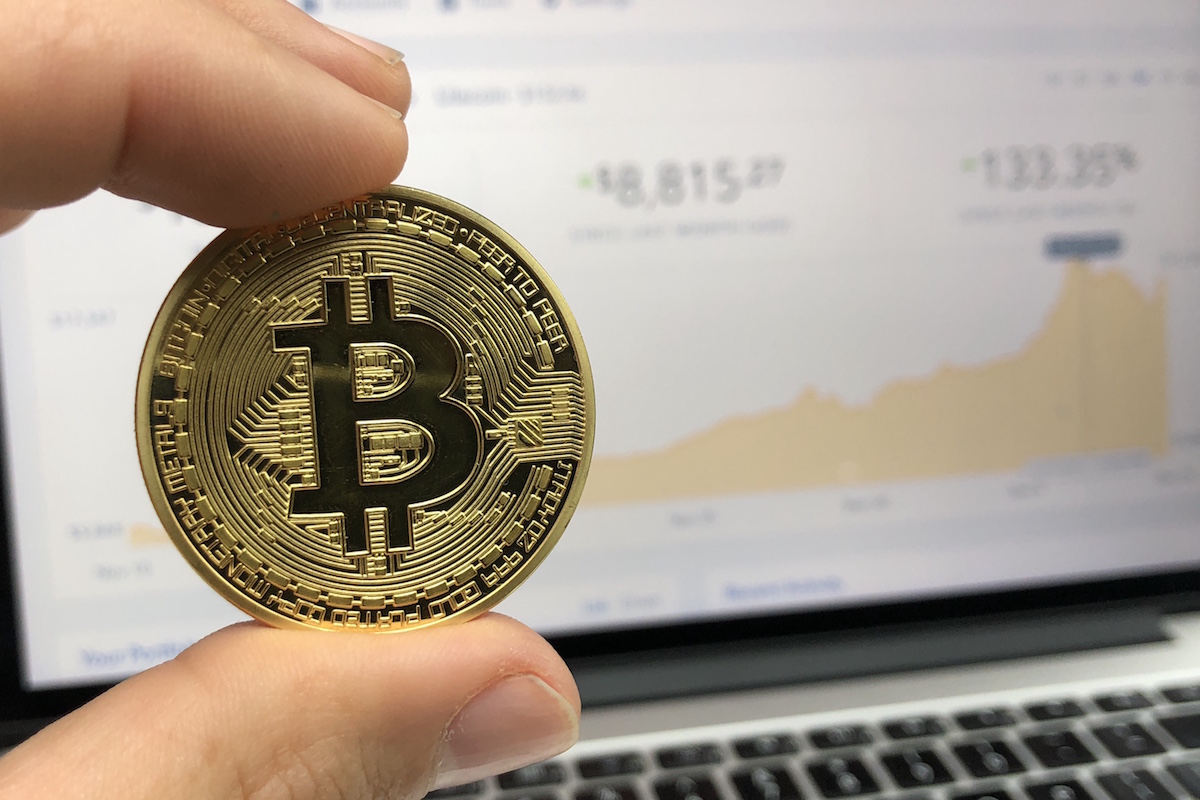
Navigating the world of cryptocurrency can be daunting, especially when it comes to purchasing Bitcoin. This guide delves into the intricacies of “buy bitcoin real,” exploring the nuances of this phrase and providing practical advice for secure transactions. We’ll examine various methods, compare platforms, and highlight critical safety measures to ensure a smooth and legitimate experience.

Understanding the subtle differences between “buy bitcoin real” and simply “buy bitcoin” is crucial. The added “real” often implies a focus on genuine, verifiable transactions, but it’s essential to be vigilant against scams. This article will clarify potential ambiguities and guide you through safe practices.

Understanding “Buy Bitcoin Real”

The phrase “buy Bitcoin real” typically refers to the process of acquiring Bitcoin using legitimate and verified methods. It implies a desire to avoid scams or fraudulent schemes, emphasizing the importance of secure transactions and reputable platforms. This approach contrasts with potentially risky or unreliable methods.The core meaning of “buy Bitcoin real” revolves around genuine transactions. This signifies using verified platforms, understanding the associated risks, and conducting purchases through established channels.

It suggests a commitment to transparency and security in the Bitcoin acquisition process.

Potential Interpretations

The phrase “buy Bitcoin real” can be interpreted in several ways. It often signifies a user’s desire to avoid scams and fraudulent activities, and instead opt for verified platforms for purchasing Bitcoin. This can include a focus on regulated exchanges, platforms with strong security measures, and verified user reviews. Furthermore, it underscores the need for proper research and due diligence when choosing a platform.

Common Misconceptions

A common misconception surrounding “buy Bitcoin real” is that it implies a single, universally accepted method. In reality, various legitimate methods exist for purchasing Bitcoin. The phrase aims to steer clear of fraudulent schemes and encourages careful research before engaging with any platform. Users should not assume a single method or platform will be universally deemed “real”. Instead, they must investigate the reliability and security of any given platform or method.

Methods and Platforms for Purchasing Bitcoin

Several methods exist for acquiring Bitcoin, each with its own advantages and disadvantages. These include:

  • Exchanges: Bitcoin exchanges are centralized platforms that facilitate the buying and selling of cryptocurrencies. They typically offer various payment options and often require verification processes. These exchanges usually have established trading volumes and track records. They generally provide a more streamlined and accessible way to buy Bitcoin for the average user.
  • Brokerages: Brokerages allow users to buy and sell cryptocurrencies as part of a broader portfolio of investments. This approach can be integrated into existing investment strategies, but typically involves higher fees and more complexity for users unfamiliar with brokerage platforms.
  • Peer-to-Peer (P2P) Platforms: P2P platforms connect buyers and sellers directly, bypassing intermediaries. While this can offer potentially lower fees, it often presents higher risks associated with verifying the legitimacy of the counterparty and the security of the transaction.

Legitimate and Reputable Platforms

Examples of legitimate and reputable platforms for buying Bitcoin include Coinbase, Kraken, and Gemini. These platforms generally have strong security measures in place, robust regulatory compliance, and positive user reviews. Users should conduct thorough research and check user reviews to identify trustworthy platforms. Note that this list is not exhaustive and other platforms may be legitimate and reputable.

Verifying Legitimacy of Bitcoin Purchase Platforms

Verifying the legitimacy of Bitcoin purchase platforms is crucial to prevent fraud and ensure secure transactions. Factors to consider include:

  • Regulatory Compliance: Look for platforms that operate within the legal framework of the jurisdiction in which they operate.
  • Security Measures: Platforms with strong security protocols (e.g., two-factor authentication, encryption) are preferable.
  • User Reviews and Reputation: Research user reviews and testimonials to assess the platform’s reputation and trustworthiness.
  • Transparency: Platforms that are transparent about their fees, policies, and security measures tend to be more trustworthy.

Comparing Bitcoin Exchange Platforms

Platform Ease of Use Security Fees
Coinbase High High Moderate
Kraken Medium High Variable
Gemini High High Moderate
Binance Medium-High High (with proper security measures) Low

This table provides a basic comparison, and the best platform will vary based on individual needs and preferences. Ease of use is subjective and security measures are critical factors to consider. Fees can vary depending on trading volume and other factors.

Exploring Bitcoin Purchase Methods

Acquiring Bitcoin involves various methods, each with unique characteristics impacting security and user experience. Understanding these distinctions empowers informed decision-making. Different approaches cater to diverse user needs and preferences, and each method carries specific advantages and disadvantages.A critical aspect of Bitcoin acquisition is the security posture of the chosen platform or method. Security protocols and measures are crucial to safeguarding digital assets.

Transparency and verification of security protocols employed by various exchanges are vital considerations.

Bitcoin Purchase Methods

Several avenues exist for acquiring Bitcoin. These methods vary significantly in terms of complexity, security, and accessibility. Bank transfers, credit/debit cards, and other options each present distinct features for users.

  • Bank Transfers: This method typically involves transferring funds from a bank account to a designated Bitcoin exchange. It often requires providing banking details and adhering to KYC (Know Your Customer) procedures. This method is generally secure when used through reputable exchanges with robust security measures. However, it might involve processing delays compared to other methods. This method often requires confirmation of bank transfers, adding to the time it takes to complete the transaction.

  • Credit/Debit Cards: This method allows users to directly purchase Bitcoin using their credit or debit cards. It’s a convenient option for many, but it’s essential to ensure the chosen exchange employs strong security measures. Card transactions are vulnerable to fraud if security protocols are inadequate. This method often involves immediate or near-immediate transaction completion, making it appealing for users who prefer rapid access to Bitcoin.

  • Other Methods: These include options like peer-to-peer (P2P) exchanges, where users directly transact with each other. This method often requires careful scrutiny of the counterparty and a deep understanding of Bitcoin security practices. Other options may involve using crypto-to-crypto exchanges, enabling trading between various cryptocurrencies. This approach could involve more complex technical considerations.

Security Considerations

Security is paramount when dealing with Bitcoin. Each purchase method presents unique security concerns that users should be aware of. Understanding these considerations is vital for protecting digital assets.

  • Bank Transfers: Security relies heavily on the exchange’s security measures and the user’s adherence to security best practices. Verifying the exchange’s reputation and security protocols is essential. Users should be wary of fraudulent exchanges or phishing attempts that mimic legitimate platforms.
  • Credit/Debit Cards: Protecting sensitive credit/debit card information is crucial. Users should ensure the exchange employs secure payment gateways and adheres to industry standards for data encryption. Staying vigilant against fraudulent activities and scams is essential.
  • Other Methods: Peer-to-peer transactions require users to verify the identity and trustworthiness of the counterparty. Users should avoid transactions with unknown or suspicious individuals. Utilizing escrow services can mitigate some risks in P2P exchanges. Carefully reviewing the security protocols of chosen crypto-to-crypto exchanges is critical.

Pros and Cons for Different Users

The choice of purchase method depends heavily on individual user preferences and circumstances. This section Artikels the pros and cons for different users.

  • Convenience: Credit/debit card transactions offer the convenience of immediate transactions. However, users must carefully consider the associated risks. Bank transfers, while secure, often have processing delays.
  • Security: Choosing reputable exchanges and employing robust security practices are crucial for all methods. Bank transfers are generally secure through established exchanges, whereas P2P transactions require greater diligence.
  • Cost: Transaction fees vary between methods. Users should compare transaction costs before making a purchase. Fees may include exchange fees, network fees, and potentially other charges.

Security Protocols Employed by Bitcoin Exchanges

The security protocols implemented by Bitcoin exchanges vary. This table Artikels the protocols employed by various exchanges.

Exchange Security Protocols
Exchange A Multi-factor authentication, two-factor authentication, regular security audits, encryption of data at rest and in transit, cold storage for significant portion of funds.
Exchange B Multi-factor authentication, security audits, encryption of data, hot wallets for faster transactions.
Exchange C Advanced security measures, multi-layer security, cold storage, dedicated security teams, insurance coverage.

Step-by-Step Guide: Buying Bitcoin with Credit/Debit Cards

This guide provides a general framework for buying Bitcoin using credit/debit cards. Actual steps may vary slightly depending on the specific exchange.

  1. Choose a Reputable Exchange: Select a well-established exchange known for its security measures.
  2. Create an Account: Follow the instructions to create an account and verify your identity.
  3. Add Payment Method: Add your credit/debit card to the exchange’s payment platform, ensuring compliance with security protocols.
  4. Review Purchase Details: Verify the amount of Bitcoin to be purchased and the associated fees before initiating the transaction.
  5. Confirm Purchase: Initiate the purchase and ensure the transaction is successfully completed.

Payment Options for Buying Bitcoin

This table summarizes different payment options for buying Bitcoin.

Payment Method Description Security Considerations
Bank Transfer Transfer funds from bank account to exchange Verify exchange security; avoid suspicious links
Credit/Debit Card Use card for direct Bitcoin purchase Ensure secure payment gateway; monitor transactions
P2P Exchange Direct transactions with other users Verify counterparty; use escrow services

Comparing “Buy Bitcoin Real” to “Buy Bitcoin”

The phrase “buy bitcoin real” has gained traction, potentially alongside the more common “buy bitcoin.” Understanding the subtle but important differences between these phrases is crucial for safe and successful cryptocurrency transactions. This comparison delves into the nuances of these expressions, emphasizing the importance of verifying legitimacy in both cases.The seemingly innocuous addition of “real” to the phrase “buy bitcoin” can introduce a layer of ambiguity and potentially signal a deceptive practice.

This added modifier may be used to convey a sense of authenticity, but it doesn’t inherently guarantee it. It’s essential to approach such phrases with caution, especially if encountered in less reputable or untested online environments.

Potential Implications of the “Real” Modifier

The inclusion of “real” can be misleading. It might imply a direct, verified transaction, or even a method that guarantees the legitimacy of the Bitcoin purchase. However, this modifier adds no inherent verification or security. Users must still independently verify the platform’s credibility, regardless of the phrasing used. The addition of “real” may be a tactic to attract users by exploiting a desire for authenticity.

Contexts Where “Buy Bitcoin Real” Might Be Used

“Buy Bitcoin Real” could appear in various contexts, ranging from online forums to social media posts or even advertisements. It might be employed to:

  • Create a sense of urgency or exclusivity around the purchase, appealing to users seeking genuine transactions.
  • Mask potentially fraudulent schemes or platforms. The phrase can be used to avoid raising suspicion.
  • Target users who may be unfamiliar with legitimate Bitcoin purchase methods.

Examples of Usage in Different Contexts

Consider these examples to illustrate the potential contexts:

  • Online Forum: “I’m looking to buy bitcoin real. Does anyone have any trusted platforms?” This implies a need for verification and avoids a simple search for Bitcoin purchase methods.
  • Social Media Post: A post might claim to offer a “guaranteed method to buy bitcoin real.” This should be approached with significant skepticism.
  • Scam Advertisement: A banner advertisement promising to “buy bitcoin real for the best price” might indicate a fraudulent operation.

Potential for Misinterpretations and Scams

The phrase “buy bitcoin real” can create a misleading perception of legitimacy. It may attract users looking for genuine transactions, while simultaneously masking potentially fraudulent platforms or schemes. Users must exercise extreme caution when encountering this phrase, especially if it comes with promises of high returns or exceptionally low prices.

Importance of Verifying Platforms

Regardless of whether the phrase used is “buy bitcoin real” or simply “buy bitcoin,” users must always independently verify the legitimacy of any platform or service offering to buy Bitcoin. Scrutinizing reviews, checking for security protocols, and confirming the platform’s reputation are critical steps. Using reputable and trusted exchanges or wallets is essential for safe transactions.

“Never trust an offer promising extraordinarily high returns or exceptionally low prices for Bitcoin.”

Safe Practices for Bitcoin Purchases

Secure Bitcoin purchases are crucial for safeguarding your investment and personal information. Following established protocols and recognizing potential red flags can significantly mitigate risks. Due diligence and a cautious approach are paramount in this digital realm.Purchasing Bitcoin, like any financial transaction, demands vigilance. Understanding the methods for verifying platform legitimacy, the risks associated with untrusted sources, and the importance of protecting personal information are essential for a smooth and secure experience.

This section details critical practices to ensure your Bitcoin acquisitions are conducted safely and effectively.

Verifying Platform Legitimacy

Establishing the trustworthiness of a Bitcoin exchange is paramount. Thorough research is vital before engaging with any platform. Look for established exchanges with a proven track record and positive user reviews. Scrutinize the platform’s security measures, including encryption protocols and security certifications.

Assessing Security Measures

Examine the exchange’s security protocols. Robust security measures are essential to protect your funds. Look for exchanges with SSL certificates (indicating secure connections) and advanced encryption techniques. Ensure the platform has multi-factor authentication (MFA) options, which add an extra layer of security.

Protecting Personal Information and Funds

Safeguarding your personal information and funds is crucial. Never share sensitive data (passwords, private keys, etc.) with untrusted sources. Use strong, unique passwords for all accounts associated with your Bitcoin purchases. Always monitor your accounts for suspicious activity and report any irregularities immediately.

Due Diligence in Verifying Bitcoin Exchanges

Conduct thorough due diligence to verify the exchange’s legitimacy. Research the exchange’s history, user reviews, and regulatory compliance. Look for exchanges that are registered and regulated in your jurisdiction.

Recognizing Red Flags for Scams and Fraudulent Platforms

Be wary of any exchange offering unrealistic returns or overly simplified procedures. A lack of clear terms and conditions or hidden fees should raise suspicion. Any platform requesting unusual amounts of personal information or requiring immediate action should be avoided.

Table of Tips for Recognizing Fraudulent or Untrustworthy Platforms

Red Flag Explanation
Unrealistic promises of high returns Excessively high returns are often a sign of a scam.
Lack of clear terms and conditions A lack of transparency in terms and conditions is a cause for concern.
Hidden fees or charges Excessively high or hidden fees should raise suspicion.
Unusual or excessive requests for personal information Any request for unnecessary personal information is a cause for concern.
Pressure to act immediately Exchanges pressuring you to act quickly are likely fraudulent.
Poor or non-existent customer support Limited or nonexistent customer support suggests a lack of credibility.
Platform lacking clear security measures Exchanges with insufficient security measures should be avoided.

Illustrative Examples of Bitcoin Purchase

Purchasing Bitcoin, like any financial transaction, involves specific steps and considerations. Understanding these steps is crucial to ensuring a safe and successful exchange. This section will detail legitimate purchases, fraudulent attempts, and the steps to take in each scenario.Legitimate Bitcoin purchases, when executed through reputable platforms, generally follow a secure process. The key to a successful purchase is careful selection of the platform and adherence to best practices.

This includes verifying the platform’s legitimacy, understanding the associated fees, and employing strong passwords and security measures.

Legitimate Bitcoin Purchase Example

A user, Sarah, wishes to purchase 1 Bitcoin. She chooses a reputable exchange known for security and user-friendly interfaces. The platform requires verification of her identity, which Sarah completes through the platform’s secure channels. After verification, Sarah initiates the purchase. The exchange confirms the transaction, and the Bitcoin is credited to her account.

She receives confirmation via email and through the platform’s interface. Crucially, this process involves strong security measures on both sides, mitigating risks significantly.

Steps in a Secure Bitcoin Purchase

  • Select a reputable Bitcoin exchange or platform.
  • Verify the platform’s legitimacy through independent research and reviews.
  • Complete the required KYC (Know Your Customer) verification procedures.
  • Initiate the purchase order, confirming the details carefully.
  • Review and confirm the transaction details before submission.
  • Monitor the transaction status until completion.
  • Store the Bitcoin securely in a designated wallet or account.

Table of Bitcoin Purchase Methods

Purchase Method Steps Required Information
Exchange Platform Account creation, KYC, purchase initiation, transaction confirmation. Personal details, payment method details, Bitcoin wallet address.
Peer-to-peer (P2P) Platform Contacting seller, negotiating price, transferring funds, confirming Bitcoin delivery. Seller details, Bitcoin wallet address, payment method details.
Over-the-counter (OTC) Platform Contacting a broker, negotiating price, transferring funds, confirming Bitcoin delivery. Broker details, Bitcoin wallet address, payment method details.

Fraudulent Bitcoin Purchase Attempt

A user, David, encounters an advertisement offering exceptionally high returns on Bitcoin investment. The ad directs him to a seemingly legitimate website, but the website is a sophisticated phishing attempt. David enters his login credentials, and the fraudsters steal his funds and Bitcoin. This illustrates the importance of verifying the legitimacy of any website or platform offering high-return investment opportunities.

Reporting a Fraudulent Bitcoin Purchase Attempt

  • Immediately contact the platform or exchange where the transaction occurred.
  • Document all communication with the fraudulent party, including screenshots of messages or websites.
  • File a police report for legal documentation.
  • Report the incident to relevant financial authorities if applicable.

Recovering Lost Funds in a Fraudulent Transaction

Recovering lost funds in a fraudulent transaction is often complex and may not be fully successful. However, documenting all interactions, reporting the incident to the authorities, and employing legal remedies are crucial steps. This process may involve tracing the funds, engaging legal professionals, and cooperating with authorities. The success of recovery depends on various factors, including the sophistication of the fraud and the timely reporting of the incident.

Contextual Understanding of “Buy Bitcoin”

The phrase “buy bitcoin” holds diverse meanings depending on the context. It encompasses a range of motivations, from investment strategies to speculative endeavors and beyond. Understanding these nuances is crucial for anyone considering participating in the Bitcoin market.The act of “buying bitcoin” signifies acquiring digital Bitcoin units (BTC) through various methods. The fundamental principle remains the same: exchanging fiat currency (like dollars, euros, or yen) for Bitcoin.

However, the reasons behind this transaction can differ significantly.

Various Contexts of “Buy Bitcoin”

The phrase “buy bitcoin” can be used in numerous contexts, each with its own implications. It could refer to purchasing Bitcoin for investment purposes, for speculation, or for use as a means of payment. It could also refer to a specific exchange or platform where the transaction is made. Understanding the context is vital to accurately interpreting the intent behind the action.

Motivations Behind Bitcoin Purchases

Individuals are motivated to purchase Bitcoin for a variety of reasons. Some seek to profit from its price appreciation, while others are drawn to the potential for financial freedom or decentralized finance. Still others may see it as a hedge against inflation or a way to diversify their investment portfolio.

User Profiles and Motivations

Different user profiles exhibit varying motivations for buying Bitcoin. A young professional, for instance, might be interested in Bitcoin as a potential investment opportunity. A seasoned investor may view it as a long-term asset, expecting substantial gains over time. A business owner might be drawn to Bitcoin as a means of payment to reduce transaction costs or enhance international trade.

An individual concerned about financial freedom might use Bitcoin as a way to reduce reliance on traditional financial institutions.

Different Types of Bitcoin Buyers

The Bitcoin market attracts various types of buyers, each with their own investment approach.

  • Investors typically seek long-term gains, holding Bitcoin for extended periods. Their motivations are often linked to the potential for substantial returns over time.
  • Speculators often focus on short-term price fluctuations, aiming to profit from price swings. Their motivations are frequently tied to market sentiment and trading strategies, often involving high-risk, high-reward scenarios.
  • Users are individuals who use Bitcoin as a payment method for goods and services. They may value its speed, lower transaction fees, or global accessibility. Their primary motivation is not profit but utility.

Illustrative Examples of Bitcoin Buyer Profiles

User Profile Motivation Investment Strategy
Young Professional Potential for investment returns, diversification of portfolio Long-term investment, regular contributions
Seasoned Investor Long-term asset appreciation, portfolio diversification Value investing, diversified portfolio
Business Owner Reduced transaction costs, global reach Acceptance as a payment method
Individual Seeking Financial Freedom Reduced reliance on traditional finance, decentralized finance Holding Bitcoin for the long term

Final Review

How to Buy Bitcoin? The Essential Guide - Productivity Land

In conclusion, buying Bitcoin “real” necessitates a careful approach to ensure legitimacy and security. This guide has provided a comprehensive overview of the process, from understanding the phrase’s implications to practical steps for secure transactions. Remember to prioritize verification, understand the risks, and practice due diligence to avoid potential scams. By following these guidelines, you can confidently navigate the Bitcoin marketplace.

FAQ Compilation

What are the common misconceptions about “buy bitcoin real”?

Many believe “buy bitcoin real” implies a special or guaranteed method. However, it simply emphasizes the importance of verifying the platform’s legitimacy, regardless of the terminology used.

What are some red flags for fraudulent Bitcoin platforms?

Look out for platforms with poor security practices, unrealistic promises, or unusual pressure to act quickly. Unclear or vague terms and conditions are also a warning sign.

How can I verify the legitimacy of a Bitcoin exchange?

Thoroughly research the platform’s reputation, read reviews from other users, and check for regulatory compliance. Look for SSL certificates and secure payment gateways.

What are the best practices for protecting my personal information during Bitcoin transactions?

Use strong passwords, enable two-factor authentication, and be cautious about sharing personal details online. Avoid using the same passwords for multiple accounts.

Buying Bitcoin with a cryptocurrency wallet like Jeton is becoming increasingly popular. This guide breaks down the process, from understanding Bitcoin transactions to using Jeton Wallet and alternative payment methods. We’ll cover everything you need to know, including security considerations, to make informed decisions.

This comprehensive guide dives deep into the specifics of buying Bitcoin using the Jeton wallet. From the initial setup to completing a transaction, you’ll learn practical steps and crucial considerations for a smooth and secure process.

Introduction to Bitcoin and Cryptocurrency Transactions

Bitcoin, a decentralized digital currency, operates independently of central banks and governments. It utilizes cryptography for secure transactions and record-keeping, eliminating the need for intermediaries. This decentralized nature, along with its potential for lower transaction fees compared to traditional banking systems, has attracted significant interest. Bitcoin’s value is influenced by market forces and speculation.Cryptocurrency transactions rely on a distributed ledger technology known as blockchain.

This ensures transparency and immutability, making transactions verifiable and secure. Each transaction is recorded and linked to a previous one, creating a chain of blocks. Individual participants use digital wallets to store and manage their cryptocurrency holdings, and each wallet has a unique address, acting as a digital identifier. This address is used to receive and send cryptocurrency.

Bitcoin Transactions Fundamentals

Bitcoin transactions involve transferring funds from one digital wallet to another. This process is facilitated by the blockchain, a public ledger. The sender initiates a transaction by providing the recipient’s address and the amount to be transferred. The transaction is then validated by a network of computers, confirming its legitimacy. Once validated, the transaction is added to the blockchain, becoming permanently recorded.

Cryptocurrency Wallets and Addresses

Cryptocurrency wallets are software or hardware applications designed to store and manage cryptocurrency. They act as digital containers for private keys and public addresses, essential components for managing and executing transactions. A private key is a string of characters used to authorize transactions, while the public address is used for receiving funds. Protecting these keys is paramount for security.

Exchanges and Trading

Cryptocurrency exchanges are platforms that facilitate the buying and selling of cryptocurrencies, including Bitcoin. They provide a marketplace where buyers and sellers can interact and complete transactions. These platforms often provide a range of services, such as order matching, transaction processing, and customer support. They play a crucial role in the cryptocurrency ecosystem, enabling broader access to this digital asset class.

Methods for Buying and Selling Bitcoin

Various methods exist for purchasing and selling Bitcoin. Direct peer-to-peer transactions, often utilizing platforms like localbitcoins.com, allow individuals to exchange Bitcoin directly. Another common approach is through cryptocurrency exchanges, where users can buy and sell Bitcoin using fiat currencies (like USD or EUR). Cryptocurrency exchanges often offer a wider range of payment methods and trading tools.

Different Bitcoin Exchanges

Exchange Features Pros Cons
Binance High trading volume, diverse selection of cryptocurrencies, advanced trading tools Liquidity, diverse selection High fees for smaller transactions, security concerns in the past
Coinbase User-friendly interface, regulated platform, suitable for beginners Ease of use, regulation Limited trading options, potentially lower liquidity
Kraken High liquidity, advanced trading tools, suitable for experienced traders Liquidity, advanced tools Steeper learning curve, potentially higher fees
Gemini Strong security, user-friendly interface, suitable for beginners Security, ease of use Limited trading options, potentially lower liquidity

Different exchanges cater to varying needs and preferences. Factors like trading volume, fees, security, and user experience play a significant role in selecting an exchange.

Understanding Jeton Wallet

Jeton Wallet is a digital platform designed for secure and convenient management of cryptocurrencies, particularly Bitcoin. It offers a user-friendly interface for managing your digital assets, and a variety of features for navigating the cryptocurrency ecosystem. This section will delve into the specifics of Jeton Wallet, including its functionalities, security protocols, and user experience.Jeton Wallet is built with a focus on providing a robust and user-friendly platform for managing Bitcoin and other cryptocurrencies.

Its core features facilitate seamless transactions and secure storage.

Features and Functionalities

Jeton Wallet boasts a comprehensive suite of features that streamline the cryptocurrency experience. These include secure storage of cryptocurrencies, the ability to send and receive Bitcoin and other supported assets, and the capability to convert cryptocurrencies to fiat currency. Advanced features might include a built-in exchange for facilitating trading between different cryptocurrencies, or integration with other financial tools.

Security Measures

Jeton Wallet prioritizes the security of user funds. Security measures typically include two-factor authentication (2FA), encryption of transactions, and regular security audits. Cold storage, where funds are kept offline, is a critical component of enhanced security, ensuring that private keys are not vulnerable to online breaches. The platform’s security is further bolstered by regular updates and patches to address potential vulnerabilities.

User education on best practices, like strong password management and recognizing phishing attempts, is often integrated.

Creating a Jeton Wallet Account

The account creation process in Jeton Wallet is generally straightforward. Users are typically guided through a series of steps, involving the provision of necessary personal information, the establishment of a strong password, and the setup of 2FA. This process aims to secure the user’s account and protect their funds.

Comparison with Other Wallets

Comparing Jeton Wallet with other popular cryptocurrency wallets, such as Exodus, Coinbase Wallet, or MetaMask, reveals variations in features, security protocols, and user interfaces. The key differentiators include the types of cryptocurrencies supported, transaction fees, and user experience. Each wallet has its own unique strengths and weaknesses.

Transaction Types

Jeton Wallet typically supports various transaction types, including sending Bitcoin to other addresses, receiving Bitcoin from other addresses, and converting Bitcoin to fiat currency. It may also support more complex transactions, such as peer-to-peer (P2P) transactions, and the ability to swap different cryptocurrencies. These transaction types depend on the wallet’s specific functionalities.

Comparison Table

Feature Jeton Wallet Exodus Coinbase Wallet MetaMask
Security High, emphasis on 2FA, encryption, and audits High, multi-signature options available High, regulated by financial authorities High, customizable security settings
Fees Variable, depending on transaction type and network congestion Generally low transaction fees Generally low transaction fees Generally low transaction fees
Features Support for Bitcoin and other cryptocurrencies, conversion to fiat Wide variety of supported cryptocurrencies, advanced features Integration with Coinbase platform Focus on decentralized applications (dApps)
User Interface Intuitive and user-friendly design Clean and well-organized interface Simple and straightforward interface Modern and visually appealing interface

Buying Bitcoin with Jeton Wallet

11 Best Mobile Bitcoin Wallet Apps For iOS And Android Smartphone

Purchasing Bitcoin through the Jeton wallet is a straightforward process, leveraging the platform’s user-friendly interface. This guide details the steps involved, supported payment methods, associated fees, and transaction tracking. Understanding these aspects ensures a smooth and secure Bitcoin acquisition experience.The Jeton wallet provides a secure and convenient avenue for acquiring Bitcoin. It simplifies the process, connecting users with various payment options for purchasing digital assets.

This section offers a comprehensive walkthrough, making Bitcoin acquisition accessible to all users.

Bitcoin Purchase Process

The Jeton wallet facilitates Bitcoin purchases through a structured process. This involves linking a payment method, selecting the desired Bitcoin amount, and confirming the transaction. A crucial step is verifying the transaction details before finalization.

Step-by-Step Guide

This structured approach guides users through the Bitcoin purchase process.

  1. Initiate the Transaction: Open the Jeton wallet application and navigate to the Bitcoin purchase section. Select the desired amount of Bitcoin to buy.
  2. Select Payment Method: Choose a supported payment method, ensuring it aligns with your preferences and the wallet’s capabilities. Options may include bank transfers, credit/debit cards, or other digital payment solutions.
  3. Review Transaction Details: Carefully review the transaction details, including the Bitcoin amount, the exchange rate, and the associated fees. Confirm the accuracy of all details.
  4. Confirm Purchase: Once you’ve reviewed and confirmed the transaction details, proceed to confirm the purchase. This step typically involves entering a PIN or password for security.
  5. Transaction Completion: Upon successful confirmation, the Bitcoin will be credited to your Jeton wallet address. The transaction is finalized and the Bitcoin is available for use.

Supported Payment Methods

The Jeton wallet supports a range of payment methods for Bitcoin purchases. This flexibility allows users to choose a method that best suits their financial needs.

  • Credit/Debit Cards: Many major credit and debit cards are accepted for Bitcoin purchases. This is a common method, offering convenience.
  • Bank Transfers: Bank transfers are another common method. The specific process may vary depending on the bank and the wallet’s configuration.
  • Digital Wallets: Users with other digital wallets can transfer funds to the Jeton wallet, simplifying the Bitcoin purchase process.
  • Cryptocurrency Exchanges: Direct transfers from other cryptocurrency exchanges are possible, offering a versatile approach.

Transaction Fees

Transaction fees are inherent in Bitcoin purchases. These fees are generally a small percentage of the transaction value and are often adjusted based on network congestion and other factors. The fees cover the costs of processing the transaction on the Bitcoin network.

Fees are crucial for maintaining the network’s functionality and security.

Tracking Bitcoin Transactions

The Jeton wallet provides tools to track Bitcoin transactions. Users can view transaction history, monitor the status of pending transactions, and access detailed transaction information. This transparency aids in understanding and managing Bitcoin holdings within the wallet.

  • Transaction History: A comprehensive transaction history is available, allowing users to track all past purchases and sales.
  • Transaction Status: Users can monitor the status of pending transactions to understand the progress of the Bitcoin purchase.
  • Detailed Information: Access detailed transaction information, including the date, time, amount, and other relevant details.

Purchase Summary Table

The table below Artikels the key steps in purchasing Bitcoin with the Jeton wallet.

Step Description
1 Initiate the Bitcoin purchase on the Jeton wallet platform.
2 Select a supported payment method.
3 Review and confirm the transaction details.
4 Confirm the purchase with appropriate security measures.
5 Bitcoin is credited to the user’s Jeton wallet address.

Security Considerations for Buying Bitcoin

Securing your Bitcoin holdings is paramount, especially when using a wallet like Jeton. Bitcoin’s decentralized nature, while offering freedom, also necessitates a proactive approach to safeguarding your funds from various potential threats. A robust security strategy is crucial to mitigating risks and ensuring a smooth and secure experience when engaging in Bitcoin transactions.Understanding the inherent risks and implementing appropriate security measures is essential for protecting your Bitcoin investment.

This section delves into critical security aspects, outlining potential threats and providing practical strategies for safeguarding your digital assets.

Importance of Security Measures

Robust security measures are indispensable when handling Bitcoin. Compromised wallets can lead to substantial financial losses, highlighting the need for diligent protection. The decentralized nature of Bitcoin doesn’t inherently provide security; user vigilance and proactive measures are vital. Implementing strong security practices directly correlates with minimizing the risk of theft or unauthorized access.

Potential Risks and Threats

Several risks and threats can compromise Bitcoin transactions. Phishing attacks, where malicious actors attempt to trick users into revealing personal information, pose a significant danger. Malware infections can compromise devices, allowing attackers to gain access to sensitive data and control over wallets. Social engineering tactics, manipulating users into divulging information, are another prevalent threat. Furthermore, vulnerabilities in the software or hardware used for transactions can create entry points for malicious actors.

Human error, such as losing passwords or compromised accounts, also represents a substantial risk.

Best Practices for Protecting Your Bitcoin Wallet and Funds

Adhering to best practices is critical for safeguarding Bitcoin holdings. Regularly updating your software is crucial to patch potential security vulnerabilities. Employing strong, unique passwords for your wallet and other associated accounts is essential. Using two-factor authentication (2FA) adds an extra layer of security, requiring a second verification method beyond a password. Furthermore, storing your private keys securely, offline if possible, is a fundamental practice.

Role of Two-Factor Authentication in Bitcoin Security

Two-factor authentication (2FA) significantly enhances Bitcoin security. By requiring a second verification method (e.g., a code sent to a mobile phone), 2FA makes unauthorized access substantially more difficult. This added layer of security makes it harder for attackers to gain access even if they manage to acquire a password. 2FA provides an extra layer of defense against various attack vectors, strengthening overall security.

Importance of Strong Passwords and Secure Storage

Employing strong, unique passwords for your Bitcoin wallet and associated accounts is paramount. Avoid using easily guessable passwords or reusing passwords across multiple platforms. Storing your private keys securely, ideally offline, is another critical aspect of Bitcoin security. This offline storage safeguards against malware infections or unauthorized access to your device.

Potential Security Threats and Mitigation Strategies

| Security Threat | Mitigation Strategy ||—|—|| Phishing Attacks | Use strong passwords, avoid clicking suspicious links, and verify website legitimacy. Be wary of unsolicited emails or messages. || Malware Infections | Install reputable antivirus software, keep software updated, and be cautious about downloading files from unknown sources. || Social Engineering | Be cautious of unsolicited requests for personal information, and verify the identity of individuals before sharing sensitive data.

|| Vulnerabilities in Software/Hardware | Regularly update software and hardware, avoid using outdated versions. || Human Error (Lost Passwords) | Employ strong passwords, use password managers, and implement 2FA for added security. || Compromised Accounts | Regularly monitor your accounts for suspicious activity. Immediately change passwords if you suspect a compromise. |

Buying Bitcoin

Purchasing Bitcoin involves navigating a range of platforms and methods, each with its own set of advantages and disadvantages. Understanding these nuances is crucial for making informed decisions about acquiring this digital asset. From established exchanges to newer, specialized platforms, the landscape is diverse, and careful consideration of fees, security, and features is essential.The process of buying Bitcoin typically involves selecting a platform, verifying your identity, depositing funds, and placing a purchase order.

Different platforms utilize varying methods for executing transactions, affecting transaction times and costs. The selection of a platform is crucial, as it directly influences the user experience and the security of the investment.

Different Platforms and Methods for Purchasing Bitcoin

Various platforms and methods cater to different needs and preferences. These range from traditional brokerage platforms offering Bitcoin trading to specialized cryptocurrency exchanges, each with its own set of strengths and weaknesses. The selection of a method often depends on factors such as the user’s familiarity with technology, the desired level of security, and the volume of transactions anticipated.

  • Brokerage Platforms: Many brokerage firms now allow the purchase of Bitcoin. This method often integrates well with existing investment accounts, offering a familiar interface for investors accustomed to traditional markets. However, the range of features and trading tools may be more limited compared to dedicated cryptocurrency exchanges.
  • Cryptocurrency Exchanges: These specialized platforms often offer a wider array of trading tools and features, including advanced charting and order types. They are frequently favored by experienced traders and those seeking greater control over their transactions.
  • Peer-to-Peer (P2P) Platforms: These platforms connect buyers and sellers directly, facilitating transactions outside of traditional exchanges. This can potentially offer lower fees compared to centralized exchanges, but carries a higher risk due to the lack of platform-provided security measures.
  • Over-the-Counter (OTC) Markets: These markets are generally tailored to high-volume transactions. Suitable for institutional investors or those requiring large-scale Bitcoin purchases, OTC markets are characterized by customized pricing and transaction structures.

Comparing Bitcoin Exchange Platforms

Evaluating different exchanges requires considering factors like fees, security measures, and available features. These factors directly impact the cost and ease of using a platform. Comparing these aspects allows users to select the platform that best aligns with their needs.

Platform Fees Security Features
Binance Variable, tiered structure Robust security measures, including multi-factor authentication Advanced trading tools, extensive asset selection
Coinbase Variable, tiered structure Strong security protocols, user-friendly interface Simple user experience, good for beginners
Kraken Variable, tiered structure Highly secure, advanced security protocols Suitable for experienced traders, diverse trading options
Gemini Variable, tiered structure Strong security, emphasis on compliance Focus on security and user experience, strong regulatory compliance

KYC/AML Procedures in Bitcoin Buying

Know Your Customer (KYC) and Anti-Money Laundering (AML) procedures are essential components of the Bitcoin buying process, particularly on regulated platforms. These procedures are critical for preventing illicit activities and maintaining the integrity of the cryptocurrency market. Compliance with these regulations is crucial for both users and platforms to maintain a secure and legitimate environment. Failure to comply can result in account suspension or legal repercussions.

KYC/AML procedures are crucial for maintaining the integrity of the cryptocurrency market and for mitigating risks associated with illicit activities.

Alternative Payment Methods for Bitcoin Purchases

Beyond traditional bank transfers, a diverse range of alternative payment methods facilitate Bitcoin acquisitions. These methods cater to various user preferences and geographical locations, offering flexibility and potentially lower transaction fees. Understanding these alternatives is crucial for informed Bitcoin purchases.A variety of payment methods, each with its own set of advantages and disadvantages, are employed to purchase Bitcoin.

Factors like transaction speed, cost, and security play a critical role in selecting the most appropriate method for individual needs.

Payment Method Options for Bitcoin

Various methods exist beyond bank transfers for buying Bitcoin, each with its own tradeoffs. Choosing the right method depends on factors like speed requirements, cost considerations, and personal comfort levels with the process.

  • Credit/Debit Cards: Popular and convenient, credit/debit cards enable quick Bitcoin purchases. However, they often come with higher transaction fees compared to other methods. The process typically involves linking a card to a cryptocurrency exchange or platform. The exchange then processes the transaction. Fees and approval rates vary between platforms and cards.

  • Prepaid Cards: Prepaid cards offer a way to buy Bitcoin without directly linking a bank account. This is useful for users who want more control over spending. However, the process may be slightly more complex compared to credit/debit cards. Transaction speed and fees can vary. The card must be loaded with funds before purchase.

  • Bank Transfers (ACH): Wire transfers are a common method for larger Bitcoin purchases, but they can be slow and incur bank fees. They are a traditional option for moving funds. However, the transaction speed can be a disadvantage. Transaction fees can also vary between banks and exchanges.
  • Peer-to-Peer (P2P) Platforms: P2P platforms connect buyers and sellers directly, often offering lower fees than exchanges. This direct approach allows for more control over the transaction, but it also necessitates verifying the seller’s legitimacy. Verification is key for safe transactions.
  • Cryptocurrency Exchanges: Cryptocurrency exchanges provide a centralized platform for trading Bitcoin and other cryptocurrencies. These platforms facilitate buying and selling. Exchanges usually have fees for transactions. They are popular for their user-friendliness and liquidity.

Comparison of Payment Methods

A table comparing alternative payment methods in terms of speed, cost, and security can provide a quick overview.

Payment Method Speed Cost Security
Credit/Debit Cards Fast High Medium (depends on platform security)
Prepaid Cards Moderate Moderate Medium (depends on platform security)
Bank Transfers (ACH) Slow Low to Moderate (depends on bank fees) High (if done through a secure bank)
P2P Platforms Variable Potentially Low Medium (buyer/seller verification is crucial)
Cryptocurrency Exchanges Moderate Moderate High (if reputable exchange)

Transaction Fees

Transaction fees vary considerably across payment methods. Factors influencing fees include the platform, transaction volume, and currency exchange rates. Understanding these variations is critical for budgeting Bitcoin purchases.

Illustrative Examples of Bitcoin Transactions

Bitcoin transactions, at their core, are records of value transfer on the blockchain. These transactions are cryptographically secured and permanently recorded, making them nearly immutable. Understanding these transactions is crucial for anyone engaging with Bitcoin or similar cryptocurrencies.

Basic Bitcoin Transaction Structure

Bitcoin transactions consist of inputs and outputs. Inputs represent the Bitcoin being spent, and outputs represent the Bitcoin being received. Each transaction has a unique identifier, called a transaction ID (TxID). This ID is used to track the transaction’s movement throughout the Bitcoin network.

Illustrative Example: Sending Bitcoin

Imagine Alice wants to send 0.1 Bitcoin to Bob. Her wallet contains 0.5 Bitcoin. The transaction would include:

  • Input: 0.5 Bitcoin from Alice’s wallet.
  • Output: 0.1 Bitcoin to Bob’s address, and 0.4 Bitcoin back to Alice’s wallet.
  • Transaction ID: A unique identifier generated by the network.

Illustrative Example: Receiving Bitcoin

Bob receives the 0.1 Bitcoin from Alice. The transaction would include:

  • Input: None for Bob’s side of the transaction.
  • Output: 0.1 Bitcoin from Alice’s transaction to Bob’s address.
  • Transaction ID: The same unique ID as Alice’s transaction.

Technical Aspects of a Bitcoin Transaction

Bitcoin transactions are digitally signed using cryptography to ensure their authenticity and prevent fraudulent alterations. The transaction details are then broadcast to the Bitcoin network. Miners verify the transaction and add it to the blockchain, creating a permanent record. A crucial aspect is the use of cryptographic hashes to ensure the integrity of the data.

A Bitcoin transaction is essentially a set of instructions specifying the sending and receiving addresses, amounts, and digital signatures.

Detailed Example using Jeton Wallet (Conceptual)

A detailed example of a Bitcoin transaction using Jeton Wallet involves these steps (assuming a successful purchase and withdrawal):

  1. Initiating a purchase: User initiates a Bitcoin purchase from the Jeton Wallet interface, specifying the amount and recipient’s address. The system verifies the user’s balance and the transaction details.
  2. Transaction confirmation: The user confirms the transaction on the Jeton Wallet, initiating the transaction request on the Bitcoin network.
  3. Bitcoin Network Processing: The Bitcoin network validates the transaction, ensuring that the sender has sufficient funds and the recipient’s address is valid. The transaction is added to the blockchain.
  4. Verification by Miners: Miners confirm the transaction, adding it to the blockchain.
  5. Funds received: The Bitcoin is received in the specified address.
  6. Withdrawal to Wallet: User initiates a withdrawal to their designated cryptocurrency wallet from the Jeton Wallet.
  7. Funds Withdrawal Confirmation: The transaction is confirmed, and the funds are sent to the user’s wallet.

Bitcoin Transaction IDs and Tracking

The transaction ID (TxID) uniquely identifies each Bitcoin transaction. This ID allows users to track the status and history of their Bitcoin transactions by searching the blockchain using the ID.

Step-by-Step Bitcoin Purchase and Withdrawal (Illustrative Example)

  1. Open Jeton Wallet and navigate to the Bitcoin purchase section.
  2. Enter the desired Bitcoin amount.
  3. Enter the recipient address.
  4. Confirm the transaction.
  5. Monitor the transaction status on the blockchain.
  6. Initiate a withdrawal request to your wallet.
  7. Confirm the withdrawal request.

Visual Representation of a Bitcoin Transaction

Input Address Output Address Amount (BTC) Transaction ID
Alice’s Address Bob’s Address 0.1 abcdef1234…

Closure

In conclusion, purchasing Bitcoin through Jeton Wallet offers a convenient and potentially secure method. By following the steps Artikeld in this guide and paying close attention to security best practices, you can confidently navigate the world of Bitcoin transactions. Remember to research and compare different options before making a final decision.

Question Bank

What are the typical fees associated with buying Bitcoin using Jeton Wallet?

Transaction fees vary depending on the payment method used and the current network conditions. Jeton Wallet may also have its own processing fees. Always check the current fee structure before initiating a purchase.

What are the security measures in place to protect my funds when using Jeton Wallet?

Jeton Wallet employs standard security measures, including encryption and two-factor authentication. However, users should also follow general best practices like strong passwords and secure storage to enhance their security.

What are some alternative payment methods for buying Bitcoin with Jeton Wallet?

Jeton Wallet likely supports various payment methods beyond traditional bank transfers, such as credit/debit cards or other digital payment options. Refer to the Jeton Wallet platform for the most current information.

How do I track my Bitcoin transactions within the Jeton Wallet platform?

The Jeton Wallet app typically provides a dedicated transaction history section. This area should display all your transactions, including details like date, amount, and status.